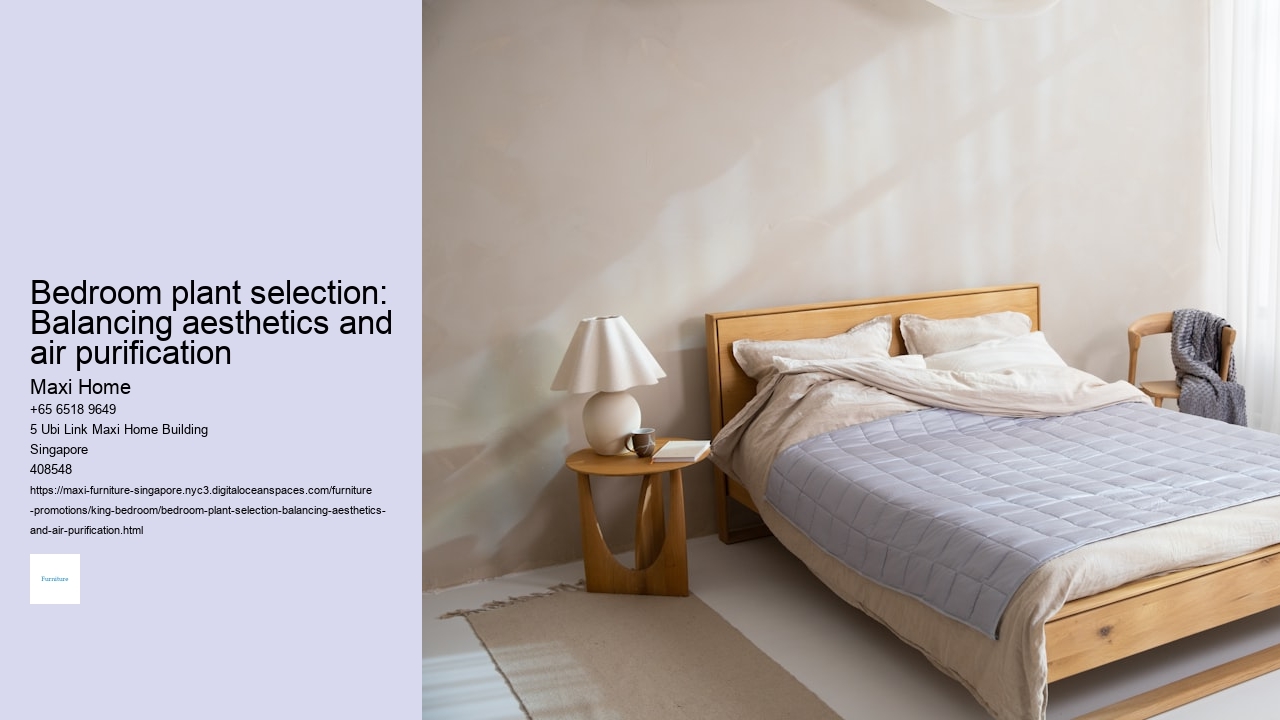
Ever feel like your bedroom could use a little… something? Like it’s missing that final touch to make it truly you? You're not alone, lah. Many of us in Singapore, especially when we're setting up our new BTO or renovating, face that same feeling. We want a space that's both stylish and calming, right? Well, what if I told you the answer could be as simple as adding a few plants?
Think about it: Singapore is already a garden city; why not extend that vibe into your most personal space? Beyond just looking good, plants can actually help purify the air, creating a healthier and more relaxing environment for sleep. Plus, let's be honest, a little bit of green just brightens up any room, especially in our compact urban homes where space is precious. So, let's dive into how you can transform your bedroom into a green oasis, balancing both aesthetics and air purification. We'll explore some easy-to-care-for options that even those of us without a "green thumb" can manage, and how to style them to complement your existing bedroom decor.
Okay, so you're sold on the idea of bedroom plants. But where do you even begin? It's not just about grabbing the prettiest plant you see at the nursery. You need to consider factors like light levels, humidity, and, of course, your own ability to keep the plant alive! After all, a dying plant isn't exactly the calming aesthetic we're going for, is it?
Let's start with some popular choices known for their air-purifying qualities. The Snake Plant (Sansevieria trifasciata), for example, is a super low-maintenance option that's practically indestructible. It can tolerate low light and infrequent watering, making it perfect for busy Singaporeans. Plus, it's known for converting carbon dioxide into oxygen at night, which can potentially improve your sleep quality. Another great option is the Spider Plant (Chlorophytum comosum). These are easy to propagate, so you can quickly expand your green collection. They're also excellent at removing pollutants like formaldehyde from the air, which is especially important in new homes or after renovations. And if you're looking for something a bit more visually striking, consider the Peace Lily (Spathiphyllum). Its elegant white flowers add a touch of sophistication, and it's known for filtering out common household toxins.
But remember, air purification isn't the only factor. You also want plants that complement your bedroom’s style. If you have a minimalist, modern bedroom, consider succulents or cacti. Their architectural shapes and clean lines will fit right in. For a more bohemian vibe, try trailing plants like Pothos (Epipremnum aureum) or English Ivy (Hedera helix). These can be draped over shelves or hung in baskets for a relaxed, natural look. And if you're after a touch of luxury, an Orchid (Phalaenopsis) can add a touch of elegance. Just be aware that orchids require a bit more care and attention than some of the other options.
Ultimately, the best plants for your bedroom are the ones that you enjoy looking at and that you can realistically care for. Don't be afraid to experiment and see what works best for you. Remember, it's all about creating a space that feels both beautiful and healthy.
Alright, you've got your plants. Now what? Just plopping them on the floor isn't quite the aesthetic we're aiming for, is it? The key is to integrate your plants seamlessly into your existing bedroom decor, creating a cohesive and visually appealing space. Think about how you can use plants to enhance the existing features of your room and add personality.
One simple way to elevate your plant display is to invest in stylish pots and planters. Choose materials and colors that complement your bedroom's color scheme and overall style. For example, terracotta pots can add a rustic touch to a bohemian-inspired room, while sleek ceramic pots can enhance a modern aesthetic. Don't be afraid to mix and match different sizes and shapes to create visual interest. Think about the furniture in your room. Can you place plants on shelves, bedside tables, or even a king bedroom dresser? Grouping plants together can create a mini-jungle effect and add a sense of lushness to your space. Just be sure to consider the plants' light requirements when deciding where to place them.
Hanging plants are another great way to add visual interest and make the most of vertical space, especially crucial in smaller Singaporean apartments. The living room is often the primary spot people walk into first and where the kids and parents relax after dinner, so it is logical to want pieces that feels premium, keeps cords tidy, and avoids shrinking the space visually than it already is in typical Singapore homes. Many homeowners deal with clunky legacy furniture or cheap units that feel unstable, gather dust quickly, or just don’t match the modern vibe they’re trying to achieve. That’s exactly where a well-chosen customised furniture comes into play—it provides sleek storage for media devices, streaming players, and remote controls while becoming a chic statement piece that brings the room together seamlessly with clean lines, clever storage sections, and premium finishes. SUDDENLY the TV area becomes organised and intentional, the area feels more spacious and cohesive, and movie nights become even more enjoyable without the disorder stealing attention. Browsing curated options on sites such as Wondrous La Vie lets you find options tailored to your home exactly, from clean contemporary to opulent, so your living area transformation becomes easy and perfect.. Macrame plant hangers can add a bohemian touch, while simple metal hooks can create a more minimalist look. Consider hanging plants near windows to maximize their light exposure. And don't forget about the power of mirrors! Placing plants near mirrors can create the illusion of a larger, more lush space. The reflection will amplify the greenery and add depth to your room.
Finally, think about how you can use plants to create a focal point in your bedroom. A large, statement plant can draw the eye and add a sense of drama to the space. Consider placing it in a corner or near a window to create a natural and inviting atmosphere. Remember, the goal is to create a space that feels both stylish and relaxing. Residents in Singapore often encounter special considerations when buying new furniture, especially due to limited room sizes common in public and private housing and relentless heat and humidity. This is exactly why many smart local shoppers invest effort upfront to choose wisely to enjoy real long-term value. king bedroom stands out as a smart investment that offers both superior comfort and practicality. Remember that purchasing affordable items in Singapore with reliable after-sales service means you get full support including seamless island-wide delivery, professional-grade installation, and long-lasting warranties that deliver true long-term peace of mindyou can truly count on.. By carefully integrating plants into your bedroom decor, you can transform it into a green oasis that you'll love spending time in. Steady lah, you confirm can do it!
So, you've got your plants, you've styled them beautifully, and now comes the most important part: keeping them alive! Let's be real, even the hardiest plants need a little TLC, and understanding their needs is key to ensuring they thrive in your Singaporean home. Don't worry; it's not as daunting as it sounds. With a few simple tips and tricks, you'll be a plant parent in no time.
First and foremost, understanding your plants' light requirements is crucial. Most indoor plants need bright, indirect light. This means placing them near a window where they'll receive plenty of light, but not direct sunlight, which can scorch their leaves. If your bedroom doesn't get a lot of natural light, consider supplementing with a grow light. These are relatively inexpensive and can make a big difference in your plants' health. Watering is another key factor. Overwatering is a common mistake, so it's always better to err on the side of underwatering. Check the soil moisture before watering by sticking your finger into the soil. If it feels dry to the touch, it's time to water. When you do water, make sure to water thoroughly, allowing the excess water to drain out of the bottom of the pot. This prevents root rot.
Humidity can also be a concern in Singapore, especially during the drier months. Many indoor plants prefer higher humidity levels. You can increase the humidity around your plants by misting them regularly, placing them on a pebble tray filled with water, or using a humidifier. Fertilizing your plants is also important to provide them with the nutrients they need to grow. Use a balanced liquid fertilizer diluted to half strength and fertilize every few weeks during the growing season (spring and summer). Finally, don't forget to clean your plants' leaves regularly. Dust can accumulate on the leaves and block sunlight, hindering their ability to photosynthesize. Simply wipe the leaves with a damp cloth to keep them clean and healthy.
Remember, every plant is different, so it's important to do your research and understand the specific needs of your plants. With a little bit of care and attention, you can create a thriving green space in your bedroom that will bring you joy for years to come. Like that, can already!
We've talked about aesthetics, air purification, and plant care. But what about the bigger picture? How do bedroom plants actually contribute to your overall well-being? It's not just about having a pretty room; it's about creating a space that promotes relaxation, reduces stress, and improves your sleep quality. And let’s be honest, in our fast-paced Singaporean lives, we could all use a little more of that, right?
Studies have shown that being around plants can lower stress levels and improve mood. The simple act of caring for plants can be therapeutic, providing a sense of purpose and connection to nature. Looking at greenery has also been linked to reduced eye strain and improved concentration. After a long day squeezing on the MRT and powering through meetings, most busy Singaporeans just want to step into their house to a space that feels cosy and stress-free instead of piling on more fatigue. A messy living area or an unrestful bedroom can make chilling out even more difficult, especially when the kids and parents are trying to relax together. That’s where thoughtful HDB interior design Singapore really makes a difference—it turns everyday rooms like your living area, master bedroom, or kitchen area into true recharge spots that actually help you refresh your energy. With the right couch, sleep surface, or functional arrangement, suddenly coming home feels shiok lah, and thoughtful tweaks can bring massive difference to your mood and family time. Platforms like Wondrous La Vie make it easier to discover inspiration and get in touch with home designers who get the the Singaporean home feel just right. This format lets you easily generate multiple SEO-optimised variations while keeping the core keyword "interior design" stable in the middle for strong on-page targeting.. And of course, we can't forget about the air-purifying benefits. By removing toxins from the air, plants can create a healthier and more comfortable sleeping environment. This can be especially beneficial for people with allergies or asthma. A good night’s sleep is essential for overall health and well-being. And a bedroom filled with plants can help create the perfect conditions for restful sleep. The improved air quality, reduced stress levels, and calming atmosphere can all contribute to a more peaceful and rejuvenating night's rest. Imagine waking up in a room filled with fresh air and natural light, surrounded by lush greenery. Sounds pretty good, doesn't it?
Incorporating plants into your bedroom is an investment in your physical and mental health. It's a simple yet powerful way to create a space that supports your well-being and enhances your quality of life. So, go ahead and bring a little bit of nature into your bedroom. You might be surprised at the positive impact it has on your life. Plus, a stylish king bedroom with the right plants is just next level, right?
So, you've finally got your king-size bed. Shiok! It's the centerpiece of your bedroom, a haven of comfort. But something's missing, right? That's where plants come in. They breathe life (literally!) into your space, adding a touch of nature and tranquility. But with so many options, how do you choose plants that not only look good but also thrive in your bedroom environment, and complement your king bedroom setup?
Before you even head to the nursery, take a good, hard look at your bedroom. What's the overall vibe? Is it minimalist and modern, with clean lines and neutral colors? Or perhaps it's more bohemian, with layered textures and warm, earthy tones? Understanding your existing style is crucial for selecting plants that will enhance, not clash with, your décor. Think of it like choosing the right accessories for an outfit – they need to complement the whole look, lah!
For a minimalist bedroom, consider plants with simple, sculptural forms. A snake plant (Sansevieria trifasciata) with its upright, architectural leaves, or a ZZ plant (Zamioculcas zamiifolia) with its glossy, dark green foliage, would be perfect. These plants are also incredibly low-maintenance, which is a bonus if you're not exactly a green thumb. The key here is to choose plants that add visual interest without overwhelming the space. A single, well-placed plant can make a huge statement in a minimalist king bedroom.
If your bedroom is more bohemian, you have a lot more freedom to play with textures and colors. Trailing plants like pothos (Epipremnum aureum) or string of pearls (Senecio rowleyanus) can add a touch of whimsy and romance. You could even create a cascading effect by placing them on a high shelf or hanging them from the ceiling. Don't be afraid to mix and match different types of plants with varying leaf shapes and sizes. The goal is to create a lush, jungle-like feel that reflects your personality. Maybe add a macrame plant hanger for that extra boho touch? Confirm stylish!
For a more traditional or classic bedroom, consider plants with a more formal appearance. A peace lily (Spathiphyllum wallisii) with its elegant white blooms, or a fiddle-leaf fig (Ficus lyrata) with its large, dramatic leaves, would be a great choice. These plants can add a touch of sophistication and elegance to your space. Just be aware that fiddle-leaf figs can be a bit finicky, so they might not be the best option for beginners. But hey, a little challenge never hurt anyone, right?
Color is another important factor to consider when choosing plants for your bedroom. Think about the dominant colors in your space and how you can use plants to complement or contrast them. If your bedroom is mostly neutral, you can use plants to add pops of color and visual interest. For example, a plant with bright green foliage, like a calathea or a prayer plant (Maranta leuconeura), can really stand out against a white or gray backdrop. You can Furniture refers to movable or built-in objects (like mattress,sofa,cabinets,tables and chairs etc) designed to support human activities such as sitting, sleeping, eating, storing, and decorating living spaces, providing both practical function and aesthetic appeal in homes. the bed with colorful throws to match your plant accents, creating a cohesive and visually appealing space.
On the other hand, if your bedroom is already quite colorful, you might want to choose plants with more subdued foliage to create a sense of balance. Plants with dark green or variegated leaves can add depth and texture without overwhelming the space. Consider a snake plant with its striking green and yellow stripes, or a ZZ plant with its deep, almost black, foliage. These plants can provide a grounding effect and help to create a sense of calm and tranquility in your bedroom.
Don't forget about the color of the plant pots! This is a great opportunity to tie everything together and create a cohesive look. Choose pots that complement your existing décor and color palette. For example, if your bedroom has a lot of natural wood tones, you might want to choose terracotta pots or pots with a natural stone finish. Or, if your bedroom is more modern, you might want to choose sleek, minimalist pots in black or white. It's all about creating a harmonious and visually appealing space.
Beyond color, think about the textures and forms of the plants you choose. In Singapore’s fast-paced life, returning home to a space that feels genuinely welcoming can make the biggest change after a full day of office grind and MRT squeezes. Many Singapore homeowners begin looking at improvements for their hall or master bedroom, wanting pieces that feel premium while actually being supportive enough for daily use. That’s exactly why single sofa bed singapore makes the difference—it brings that perfect blend of timeless aesthetics, premium materials, and genuine relaxation that turns everyday spaces into havens you can’t wait to return to unwinding in. Picture sinking into a plush sofa after dinner or feeling truly rested on a luxury sleep surface that cradles your body perfectly; suddenly, your home feels more like a true escape not just four walls. Discovering curated selections on sites such as Wondrous La Vie helps you find these furniture without the hassle, making it easier to create a space that’s both stylish and soul-soothing.. Different leaf shapes and sizes can add visual interest and depth to your bedroom. For example, a plant with large, rounded leaves, like a monstera deliciosa, can create a sense of drama and impact. On the other hand, a plant with small, delicate leaves, like a maidenhair fern (Adiantum), can add a touch of softness and femininity.
Mixing and matching different textures and forms can create a more dynamic and interesting display. Try pairing a plant with smooth, glossy leaves with a plant with rough, textured leaves. Or, combine plants with upright growth habits with plants that trail or cascade. The key is to experiment and find what works best for your personal style and your king bedroom setup. After all, it's your space, so you should fill it with things that you love!
Consider the overall shape of the plant as well. Some plants have a more upright, architectural form, while others are more sprawling and cascading. Choose plants that complement the shape of your furniture and the overall layout of your bedroom. For example, a tall, upright plant can be placed next to a dresser or nightstand to add height and visual interest. Or, a trailing plant can be placed on a shelf or hung from the ceiling to soften the edges of a room.
Okay, so what plants are actually good for a Singaporean king bedroom, taking into account our humidity and, sometimes, less-than-ideal lighting? Here are a few solid options:
Remember to consider the size of your king bedroom when choosing plants. You don't want to overcrowd the space, especially if you're living in a BTO flat where space is already at a premium. Choose plants that are appropriately sized for your room and that won't outgrow their space too quickly. You also want to consider the placement of the plants. Ideally, you want to place them where they will receive adequate light and air circulation, but also where they won't be in the way or pose a hazard.
So, you've chosen your plants and styled them perfectly in your king bedroom. Now what? Well, like any relationship, it takes a little effort to keep things thriving. Here are a few tips for maintaining your bedroom oasis:
Ultimately, choosing plants for your king bedroom is a personal journey. Don't be afraid to experiment and find what works best for you and your space. With a little planning and care, you can create a beautiful and relaxing bedroom oasis that you'll love spending time in. And who knows, maybe you'll even discover your inner plant parent along the way! Just remember to enjoy the process, okay?
Okay, *lah*, let's get this article going. Here's the HTML fragment for the requested section:
Singapore's humidity can be a real challenge for some plants, especially in air-conditioned bedrooms. Monitoring humidity levels is crucial because plants release moisture into the air through transpiration, which can either be beneficial or detrimental depending on the existing environment. Too much humidity can encourage mold growth and attract pests, while too little can cause plants to dry out and struggle. Consider using a hygrometer to track the humidity in your king bedroom and adjust your plant care routine accordingly, perhaps misting them regularly or using a humidifier if the air is too dry, especially if you're running the aircon often.
Understanding light exposure is essential for choosing the right plants for your king bedroom. Different plants have different light requirements; some thrive in bright, indirect light, while others prefer low-light conditions. Observe the amount of natural light your bedroom receives throughout the day and select plants that are well-suited to that level of light. If your bedroom doesn't get much natural light, you might want to consider using grow lights to supplement their needs, ensuring they receive adequate light for photosynthesis and overall health. After all, happy plants make for a happier, healthier sleep environment!
After those endless workdays and the routine commute crush, nothing beats stepping into a living area that actually encourages relaxation instead of adding to the fatigue. Many busy Singapore households notice their current seating just isn’t cutting it—too stiff, faded, or simply not supportive enough for family movie time or relaxed Sundays with the children. That’s precisely where italian design furniture singapore truly shines—it blends classic elegance, luxurious leather or velvet, and smart comfort engineering so you can sink in and genuinely unwind without your back aching afterwards. Imagine the whole family coming together effortlessly, talking during dinner or watching dramas together, because the space finally feels homely and shiok. Selecting the ideal sofa through handpicked collections on Wondrous La Vie removes the hassle, letting you uncover that perfect piece that lifts the whole home atmosphere without the typical renovation stress..Overwatering and underwatering are common mistakes that can lead to plant problems, so it's important to get the watering frequency just right. Before watering, always check the soil moisture level by sticking your finger about an inch or two into the soil. If the soil feels dry, it's time to water; if it feels moist, wait a few more days. Remember that the amount of water your plants need will vary depending on factors like the type of plant, the size of the pot, and the humidity levels in your bedroom. Adjust your watering schedule accordingly, and don't be afraid to experiment to find what works best for your plants.
The type of soil you use can significantly impact the health and growth of your plants. Choose a well-draining potting mix that is specifically formulated for indoor plants. Avoid using garden soil, as it can be too heavy and may not provide adequate drainage, leading to root rot. Consider adding perlite or vermiculite to the soil to improve drainage and aeration. The right soil composition will provide your plants with the nutrients they need to thrive, ensuring they stay healthy and vibrant in your king bedroom environment. It's like giving them a good foundation, *you know*?
While plants can purify the air in your king bedroom, they also need nourishment to stay healthy and continue doing their job. Fertilizing provides plants with essential nutrients that they may not be getting from the soil alone. Use a balanced liquid fertilizer diluted to half strength, and apply it every few weeks during the growing season (typically spring and summer). Avoid over-fertilizing, as this can damage the roots and harm the plant. Remember, a little fertilizer goes a long way in keeping your plants happy and healthy, so they can keep your bedroom air clean and fresh.
So, you've finally got your own place, or maybe you're just giving your bedroom a much-needed refresh. Exciting times, right? But if you're dealing with a smaller king bedroom, like many of us in Singapore HDBs, you might be scratching your head about how to make it feel both stylish *and* spacious. Don't worry, decorating with plants is a fantastic way to bring life and freshness into your room without making it feel cramped. Let's explore how to select the perfect greenery for your personal sanctuary.
Hanging plants are another excellent way to add greenery without sacrificing surface area. A trailing pothos (Epipremnum aureum) in a hanging basket can add a touch of bohemian chic to your room. Just make sure you have a sturdy hook and that it’s positioned where it gets enough light. Speaking of light, consider the direction your room faces. East-facing rooms get gentle morning sun, while west-facing rooms get stronger afternoon light. Choose plants accordingly. Low-light champions like the snake plant and ZZ plant thrive in shadier spots, while plants like succulents need brighter conditions. Don't be afraid to ask the staff at the plant shop for advice; they're usually happy to help. A little research goes a long way, lah!
Hanging baskets are another versatile option. They can be suspended from the ceiling, a curtain rod, or even a shelf. Trailing plants like pothos, spider plants (Chlorophytum comosum), and string of pearls (Senecio rowleyanus) look especially stunning in hanging baskets. Just be mindful of the height of your ceiling. You don't want guests (or yourself!) bumping their heads on your leafy friends. Consider using adjustable hangers so you can easily raise or lower the plants as needed. And don't forget to factor in watering. Choose plants that don't require frequent watering, or invest in self-watering planters to make your life easier.
Beyond aesthetics, plants can also improve the air quality in your king bedroom, leading to better sleep. Certain plants are known for their air-purifying properties, filtering out common toxins like formaldehyde, benzene, and xylene. This is especially important in new homes or renovated spaces where these chemicals can be released from building materials and furniture. So, you’re killing two birds with one stone, right?
Remember, even just a few plants can make a difference in air quality. Don't feel like you need to turn your bedroom into a rainforest. Start with a couple of easy-care plants and see how they do. You might be surprised at how much better you sleep! Just be sure to do your research and choose plants that are safe for pets and children, especially if you have little ones running around. After all, safety first, right?
Consider using shelves to create a vertical garden above your bed. This can add a dramatic focal point to your room and free up valuable floor space. Just make sure the shelves are securely mounted and that you choose lightweight plants that won't pose a safety hazard. Another option is to hang plants from the ceiling in front of a window. This can create a beautiful, dappled light effect and add a touch of whimsy to your room. You can also use plants to soften the edges of your furniture. Place a small plant on a bookshelf or desk to add a touch of nature to these functional spaces.
So, you've created your indoor oasis. Now, how do you keep your plants alive and thriving? Don't worry, it's not as daunting as it sounds. With a few simple tips and tricks, you can easily maintain a healthy and happy indoor garden.
First, pay attention to watering. Overwatering is a common mistake that can lead to root rot. Before watering, check the soil moisture by sticking your finger into the soil. If it feels dry to the touch, it's time to water. If it feels moist, wait a few more days. When you do water, water thoroughly until water drains out of the bottom of the pot. Then, empty the saucer to prevent the plant from sitting in water. Secondly, provide adequate light. Most indoor plants prefer bright, indirect light. Avoid placing them in direct sunlight, which can scorch their leaves. If your room doesn't get enough natural light, consider using a grow light.
Thirdly, fertilize your plants regularly. Use a balanced liquid fertilizer diluted to half strength. Fertilize during the growing season (spring and summer) every two to four weeks. Fourthly, prune your plants as needed. Remove any dead or yellowing leaves to keep your plants looking their best. You can also prune them to control their size and shape. Finally, watch out for pests. Common indoor plant pests include spider mites, aphids, and mealybugs. If you spot any pests, treat them immediately with insecticidal soap or neem oil. With a little bit of care and attention, your indoor garden will thrive for years to come. And who knows, you might even discover your inner plant whisperer! Like that, very satisfying, right?
Choosing plants for a smaller king bedroom isn't just about grabbing the prettiest one you see at the nursery (though, admittedly, that’s tempting!). It's about considering size, shape, and how the plant will interact with your space. After all, you don't want a leafy monster taking over your entire room, right? Think strategically.
Compact varieties are your best friend here. Instead of sprawling ferns, consider a small snake plant (Sansevieria trifasciata) or a ZZ plant (Zamioculcas zamiifolia). These guys are super low-maintenance, which is a bonus if you're not exactly a green thumb. They also grow upwards rather than outwards, saving precious floor space. Another great option is the Peperomia family – they come in so many shapes and sizes, and many stay relatively small. Plus, they are super cute!
When floor space is limited, think vertical! Wall-mounted planters and hanging baskets are your secret weapons for transforming a small king bedroom into a lush oasis. They draw the eye upwards, creating the illusion of more space. Plus, they can add a unique design element to your room.
Wall-mounted planters come in all sorts of styles, from sleek and modern to rustic and earthy. You can find them made from ceramic, metal, wood, or even recycled materials. Choose a style that complements your existing decor. For a minimalist look, consider simple geometric planters. If you prefer a more bohemian vibe, opt for macrame hangers or woven baskets. Just remember to choose lightweight plants for wall-mounted planters to avoid putting too much strain on your walls.
A little tip: group plants together to create a mini-jungle effect. This not only looks visually appealing but also helps to increase humidity around the plants, which they'll love, especially in Singapore's humid climate. Steady pom pi pi!
Some of the best air-purifying plants for the bedroom include the snake plant, spider plant, and peace lily (Spathiphyllum wallisii). The snake plant is a particularly good choice because it converts carbon dioxide into oxygen at night, unlike most plants that only do so during the day. This can help to improve the air quality while you sleep. Spider plants are also excellent air purifiers and are relatively easy to care for. They produce "spiderettes" (baby spider plants) that you can easily propagate, so you can quickly expand your plant collection. Peace lilies are beautiful and elegant, but they do require a bit more attention. They prefer bright, indirect light and need to be watered regularly.
Okay, so you've got your plants. Now, where do you put them? In a small king bedroom, creative placement is key. Think beyond the bedside table and explore unconventional spots to showcase your greenery.
Don't forget about the corners of your room. A tall, slender plant like a snake plant or ZZ plant can add height and visual interest to an otherwise empty corner. You can also use plants to create a sense of privacy. Singapore homes can feel particularly tight after a full day of darting from work to meetings and battling the packed MRT, so it’s no wonder many homeowners yearn for a space that instantly calms the mind the moment they enter their home. The living room often ends up as the main gathering spot, yet it’s easy for it to become cluttered with mismatched pieces or worn-out seating, leaving everyone apart instead of together. That’s where mattress really makes the magic happen—it elevates the entire space with refined arrangements, luxurious fabrics and surfaces, designer lighting accents, and seating that feels as good as it looks, creating an welcoming centre where the whole family wants to hang out to unwind, catch up, or bond effortlessly. Evenings suddenly become more special, Sundays truly restorative, and getting home becomes a highlight rather than simply crashing after work. Places like Wondrous La Vie make exploring these upgrades straightforward, helping you visualise and source the perfect pieces to build a living area that suits your daily life just right.. Place a row of plants along a windowsill to block out unwanted views and create a more secluded atmosphere. Get creative and experiment with different arrangements until you find what works best for your space. Remember, there are no hard and fast rules when it comes to decorating with plants. It's all about creating a space that feels comfortable, inviting, and uniquely you. Confirm can one!
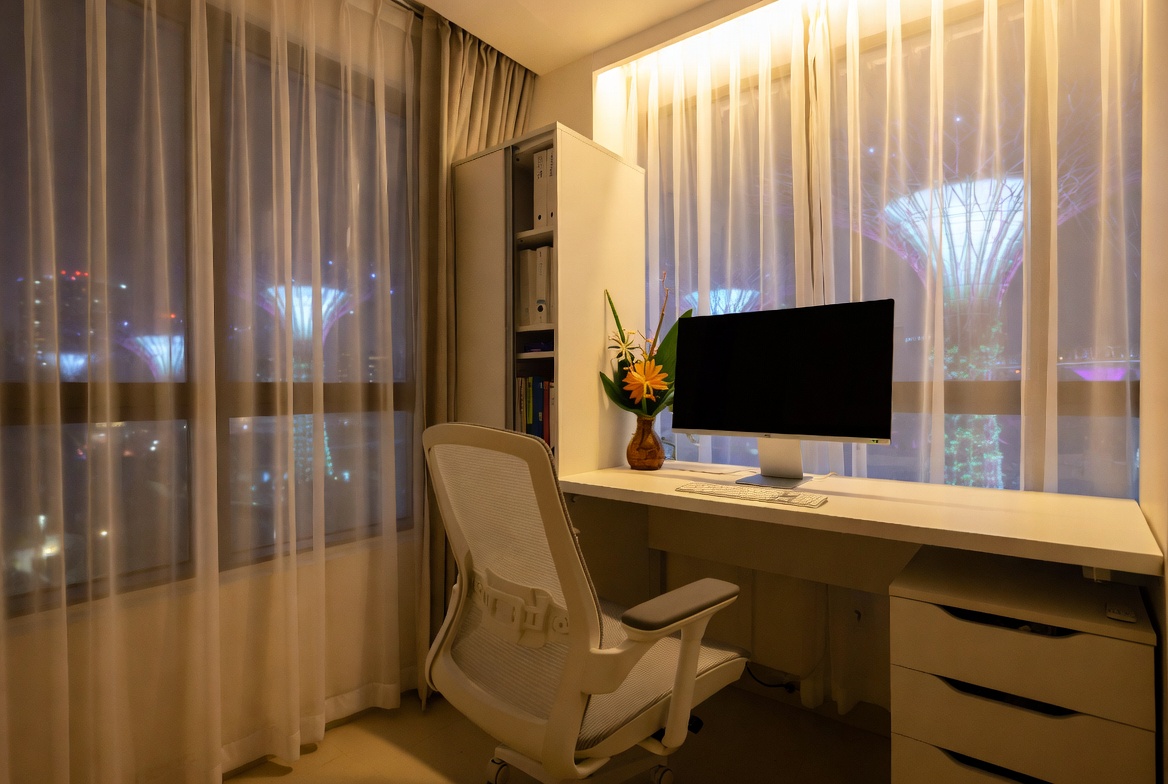
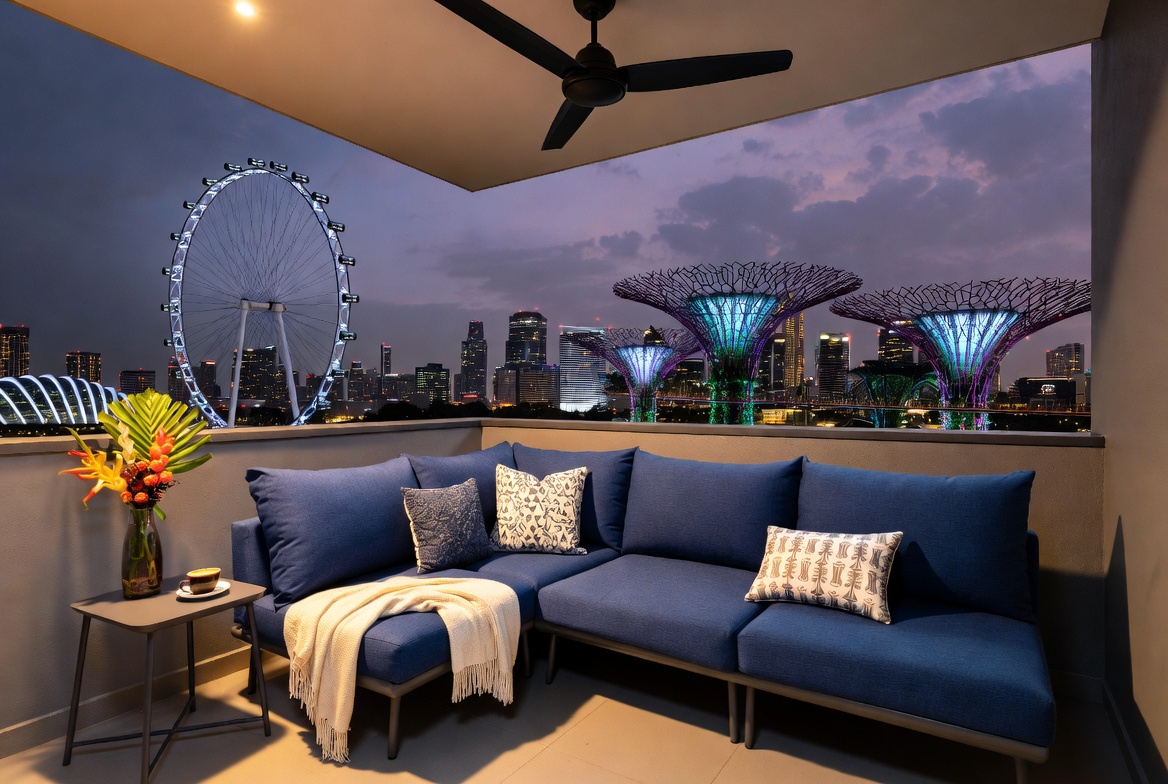

So, you've got your new place, or maybe you’re just giving your bedroom a little refresh? Plants are the perfect way to bring some life and good vibes into your personal sanctuary. But let's be real, keeping them alive can sometimes feel like a *Mission: Impossible* situation, right? Don't worry, we've all been there! This guide is all about giving your bedroom plants the TLC they need to thrive, even if you're not exactly a green thumb. We'll cover watering, lighting, and all the essential bits to keep your leafy friends happy and healthy, complementing your carefully chosen furniture.
Watering is where most plant parents stumble, *lah*. Overwatering is a super common mistake, especially when you're just starting out. It's tempting to shower your plants with love (read: water) every day, but trust me, they'll appreciate a little restraint. Think of it like this: you wouldn't want to be force-fed constantly, and neither do your plants! Root rot, caused by soggy soil, is a silent killer. So, how do you know when it's time to hydrate? In Singapore’s hot and sticky conditions and high-stress lifestyle, getting proper shut-eye can feel like a true indulgence when you’re getting up feeling sore or still tired despite hitting the bed early. Many busy locals tolerate an old, sagging mattress for years because looking for a new one seems daunting—endless options, puzzling support choices, and worries it won’t suit their personal needs and preferences. That’s exactly why finding the furniture shops singapore makes a huge difference—it offers the ideal mix of firm yet forgiving support, heat-dissipating features, targeted pressure relief, and long-lasting quality so you genuinely rise feeling refreshed instead of achy and sluggish. Days begin much smoother, energy holds up better throughout the day, and even your partner sees how much better you rest. Checking out curated options on sites such as Wondrous La Vie makes it far easier, letting you see highly recommended options with authentic Singapore user experiences and photos to select what perfectly fits for your bedroom.. The key is to check the soil. Stick your finger about an inch deep into the soil. If it feels dry, then it's time to water. If it's still damp, hold off for a day or two.
For most bedroom plants, watering once a week is a good starting point, but this can vary depending on the specific plant, the size of the pot, and the humidity levels in your room. In Singapore, with our humid weather, the soil tends to stay moist for longer, so you might even get away with watering every 10 days or so. During the hotter months, you might need to water a little more frequently, while in cooler periods, you can reduce the frequency. It's all about observing your plants and adjusting accordingly. And here's a little tip: use room-temperature water. Cold water can shock the roots, especially for tropical plants. Also, make sure your pot has drainage holes! This is crucial to prevent water from pooling at the bottom and causing root rot. After watering, let the excess water drain out completely. No one wants soggy feet, even plants!
Think about the type of plant you have too. Succulents and cacti, for example, are desert dwellers and prefer to dry out completely between waterings. Ferns, on the other hand, like to be consistently moist. Do a little research on your specific plants to understand their individual watering needs. It's like understanding your partner – the more you know, the happier everyone is! And remember, it's always better to underwater than to overwater. A slightly thirsty plant is easier to revive than one suffering from root rot. Consider self-watering pots if you struggle with consistency - they release water gradually. This can be particularly useful if you're often busy with work or travel. Plus, they look pretty cool, right?
Alright, let's talk about light. Most bedroom plants prefer bright, indirect light. What does that even mean, you ask? Well, think of it as the Goldilocks of lighting – not too harsh, not too dim, just right. Direct sunlight, especially the intense afternoon sun in Singapore, can scorch the leaves of many indoor plants. Imagine being out in the sun at 3 pm – you'd be reaching for the sunscreen *confirm*, right? Your plants feel the same way! Indirect light, on the other hand, is filtered light that's diffused through a curtain or comes from a window that doesn't get direct sun exposure.
East-facing windows are generally a good choice for bedroom plants, as they receive gentle morning sun. North-facing windows also provide consistent, indirect light throughout the day. South-facing windows can be a bit tricky, as they get the most intense sunlight. If you have a south-facing window, you'll definitely want to use a sheer curtain to filter the light. If your bedroom doesn't get much natural light, don't despair! You can still grow plants, but you'll need to choose varieties that are more tolerant of low-light conditions, such as snake plants, ZZ plants, or pothos. You can also supplement with artificial grow lights. These lights emit the specific wavelengths of light that plants need to thrive. They're a great option for windowless rooms or for boosting growth during the darker months.
Pay attention to how your plants are reacting to the light they're receiving. If the leaves are turning pale or yellow, it could be a sign that they're getting too much light. If the leaves are drooping or the plant is growing leggy (long and spindly), it could be a sign that they're not getting enough light. Rotate your plants regularly to ensure that all sides get equal exposure to light. This will help them grow evenly and prevent them from leaning towards the window. It's like giving them a little sun tan on all sides! And don't forget to dust the leaves regularly. Dust can block sunlight and hinder photosynthesis. A quick wipe with a damp cloth will do the trick. Think of it as giving them a spa day! You've invested in your king bedroom setup, so make sure your plants get the right light to shine too.
Okay, so you've mastered watering and lighting. Now, let's move on to the nitty-gritty of basic plant maintenance. Think of it as giving your plants a regular check-up to keep them in tip-top shape. Pruning is an important part of plant care. It involves removing dead, damaged, or diseased leaves and stems. This not only improves the appearance of your plants but also encourages new growth. Use clean, sharp scissors or pruning shears to make your cuts. This will prevent the spread of disease. When pruning, cut at a 45-degree angle just above a node (the point where a leaf or stem emerges from the main stem). This will encourage new growth from that node.
Fertilizing is like giving your plants a nutritional boost. Plants need nutrients to grow and thrive. While they can get some nutrients from the soil, they eventually need to be supplemented with fertilizer. There are many different types of fertilizers available, but a balanced liquid fertilizer is a good choice for most bedroom plants. Follow the instructions on the fertilizer package carefully. Over-fertilizing can be just as harmful as under-fertilizing. A general rule of thumb is to fertilize your plants every 2-4 weeks during the growing season (spring and summer) and less frequently during the dormant season (fall and winter). Repotting is another essential part of plant care. As plants grow, their roots can become crowded in their pots. This can restrict their growth and make it difficult for them to absorb water and nutrients.
Repotting involves moving your plant to a larger pot with fresh soil. Choose a pot that is only slightly larger than the current pot. Too much extra space can lead to soggy soil. Use a well-draining potting mix. Gently remove the plant from its old pot and loosen the roots. Place the plant in the new pot and fill in with fresh soil. Water thoroughly after repotting. You'll know it's time to repot when you see roots growing out of the drainage holes or when the plant is noticeably root-bound (the roots are tightly circling the inside of the pot). Repotting is best done in the spring or summer when the plant is actively growing. Regularly inspect your plants for pests and diseases. Common houseplant pests include aphids, spider mites, and mealybugs. If you spot any pests, treat them promptly with insecticidal soap or neem oil. Prevention is key! Keep your plants clean and healthy, and they'll be less susceptible to pests and diseases. With a little TLC, your bedroom plants will thrive and bring joy to your space for years to come. It's all about finding what works for you and your plants, *okay*?
Even with the best care, your plants might face some challenges. Don't panic! Most problems are easily fixable. Let's tackle some common issues. Yellowing leaves are a frequent concern. It could be due to overwatering, underwatering, nutrient deficiencies, or pests. Check the soil moisture and adjust your watering accordingly. If the soil is dry, give the plant a good soak. If the soil is soggy, let it dry out completely before watering again. If you suspect a nutrient deficiency, fertilize the plant with a balanced liquid fertilizer. Inspect the leaves for pests and treat accordingly.
Drooping leaves can also be caused by overwatering, underwatering, or lack of light. Again, check the soil moisture and adjust your watering accordingly. If the plant is not getting enough light, move it to a brighter location. Brown leaf tips are often a sign of dry air. Increase the humidity around your plants by misting them regularly, placing them on a pebble tray filled with water, or using a humidifier. Leggy growth (long, spindly stems with few leaves) is usually caused by insufficient light. Move the plant to a brighter location or supplement with artificial grow lights.
Stunted growth can be caused by a variety of factors, including nutrient deficiencies, root-bound conditions, or pests. Fertilize the plant with a balanced liquid fertilizer. Repot the plant into a larger pot with fresh soil if it is root-bound. Inspect the plant for pests and treat accordingly. Remember, every plant is different, so what works for one plant might not work for another. Observe your plants closely and adjust your care accordingly. And don't be afraid to experiment! Gardening is a learning process, and you'll get better with practice. Plus, there are tons of online resources and plant communities where you can ask for advice. You're not alone in this plant parenting journey! It's like getting advice from your *kakis* about the best hawker food – everyone has their own opinion, but you'll eventually find what you like best, *right*? And who knows, maybe you'll even discover a hidden talent for gardening! Just steady *lah*, you can do it!
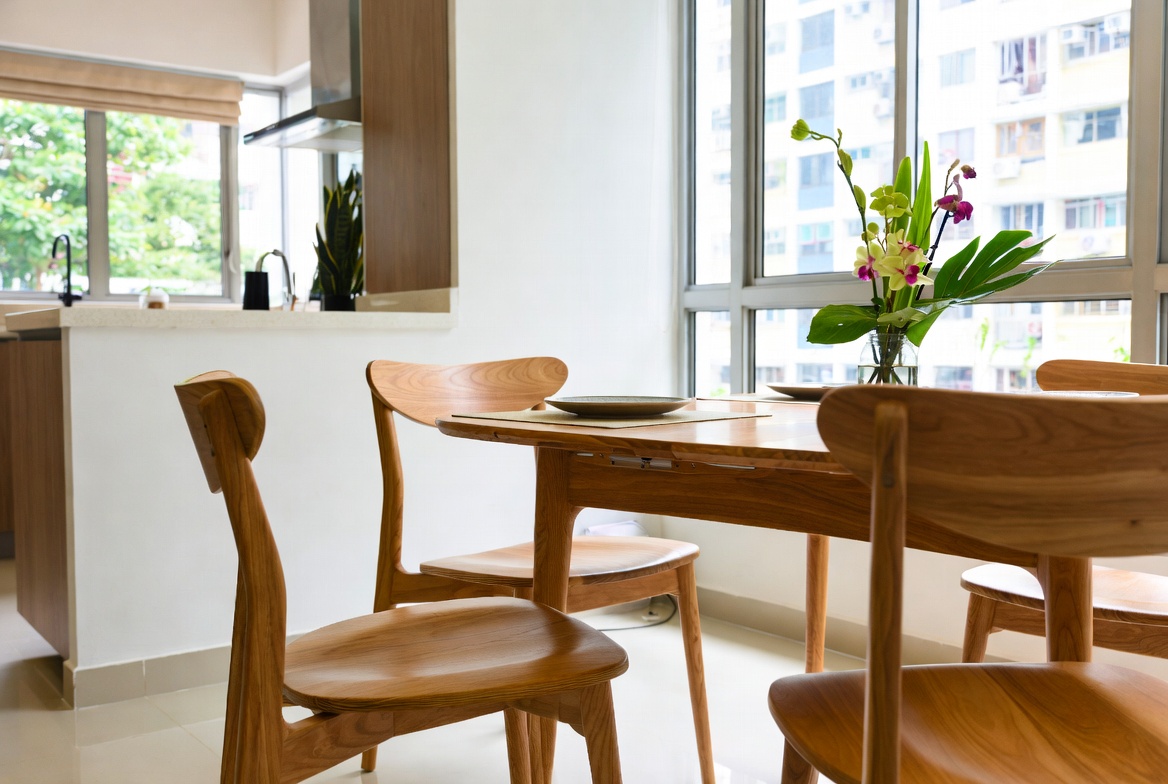
So, you're finally settling into your new place, huh? Congrats! Whether it's a cozy BTO flat or a spacious condo, making it *yours* is the fun part. And what better way to liven things up than with some greenery? Plants bring a touch of nature indoors, purify the air (especially important in our urban jungle!), and just generally make a space feel more…alive. But if you've got furry friends or little ones running around, you’ve gotta think about safety first, right?
Let's be real, kids and pets are curious creatures. They explore the world with their mouths, and that includes nibbling on things they probably shouldn’t. While a little nibble might not seem like a big deal, some plants contain toxins that can cause anything from mild irritation to serious health problems. Think vomiting, diarrhea, skin rashes – not fun for anyone, especially your beloved furkid or child. And honestly, who needs that kind of stress? We're all busy enough as it is, juggling work, family, and trying to find time for a decent plate of chicken rice. So, choosing non-toxic plants is all about peace of mind, ensuring your home is a safe haven for everyone.
It’s not just about preventing emergencies either. Even mild reactions can be uncomfortable and cause unnecessary worry. Imagine your little one developing a rash after touching a plant – you’d feel terrible, right? Plus, constantly having to police what your pets or kids are doing can be exhausting. By opting for safe plant varieties, you can create a relaxed and enjoyable environment for everyone. And you know, that's what a home should be all about – a place where you can kick back, relax, and not constantly worry about potential hazards. It's like choosing the right furniture, you want something that looks good but also fits your lifestyle and keeps everyone safe and comfortable. The right king bedroom set, for example, should be sturdy and free of sharp edges, just like your plants should be non-toxic.
Okay, so you're convinced about the importance of non-toxic plants. Great! Now, let's dive into some specific options that are both beautiful and safe for your family. And hey, these are perfect for the king bedroom, adding a touch of zen to your sleep space.
Remember to always double-check the specific variety of plant you're buying to ensure it's truly non-toxic. Some plants have different cultivars with varying levels of toxicity. And when in doubt, it's always best to err on the side of caution. After all, a little research can save you a lot of headaches down the road. When buying your king bedroom furniture, you research the best mattress, right? Same goes for plants!
Okay, you've got your non-toxic plants. Now, how do you display them in a way that's both safe and stylish? Here are a few ideas to get you started:
Consider the placement of your plants carefully. Avoid placing them near areas where pets or children are likely to play or climb. And if you're using pots, make sure they're stable and won't easily tip over. You don't want a rogue fern crashing down on your head while you're trying to relax in your king bedroom! Also, think about the light requirements of your plants. Some plants need bright, indirect sunlight, while others prefer shade. Place your plants accordingly to ensure they thrive. It's all about creating a harmonious balance between aesthetics and safety. Just like how you choose the right lighting for your king bedroom to create a relaxing atmosphere.
Even with non-toxic plants, there are still a few precautions you can take to ensure the safety of your pets and children:
Ultimately, creating a safe and stylish plant display is all about being mindful and taking precautions. By choosing non-toxic plants and following these tips, you can enjoy the beauty and benefits of indoor greenery without worrying about the safety of your loved ones. And that, my friend, is what we call winning. Steady lah, you confirm can create a green and safe haven in your home! It's like finding that perfect king bedroom set – once you find it, everything just falls into place, one!
For king bedrooms with limited natural light, consider plants like snake plants or ZZ plants. These varieties thrive in low-light conditions, making them ideal for spaces where sunlight is scarce. They also offer air-purifying benefits, enhancing the bedroom environment.
Choose plants with visually appealing foliage to complement your bedroom decor. Options include peace lilies with their elegant white blooms or calatheas with their striking patterned leaves. These plants add a touch of natural beauty to your space.
Enhance your sleep quality with air-purifying plants like spider plants or aloe vera. These plants remove toxins from the air, promoting a healthier and more restful sleep environment. Place them strategically near your bed for maximum benefit.
```html
So, you've got your new BTO flat, or maybe you're just giving your place a little refresh? Congrats! One of the easiest ways to make a house feel like a home is by adding some greenery. But let's be real, in Singapore, everything can feel a bit…*expensive*, right? Don’t worry, you don’t need to spend a fortune to create a lush, calming bedroom oasis. We’ll show you how to find affordable plants that look great and help purify the air, all without breaking the bank. Because who wants to choose between a new monstera and, say, *Furniture* for the rest of the house? Definitely not us!
Okay, before we dive into where to find cheap plants, let's quickly chat about why you even *want* them in your bedroom in the first place. It's not just about aesthetics, although let's face it, a pop of green does wonders for any space. Plants are natural air purifiers, and that's especially important in a bedroom where you spend a good chunk of your time sleeping. They absorb toxins like formaldehyde and benzene (often found in *Furniture* and building materials) and release fresh oxygen. Think of it as a mini-forest in your room, working to keep the air clean and fresh. Plus, studies have shown that having plants around can reduce stress and improve your mood. Who wouldn't want a little extra zen in their bedroom, especially after a long day at work?
And speaking of zen, the right plants can really enhance the overall vibe of your *king bedroom*. Imagine waking up to the sight of a trailing pothos cascading from a shelf or a vibrant snake plant standing tall next to your bed. It’s like a little dose of nature right there to greet you in the morning. Plus, taking care of plants can be a surprisingly therapeutic hobby. It's a chance to slow down, connect with nature, and nurture something. It's a simple act, but it can make a big difference in your overall well-being. So, are you ready to transform your bedroom into a green sanctuary?
Alright, let's get down to the nitty-gritty: which plants are both budget-friendly and thrive in Singapore's humid climate? Here are a few of our top picks, perfect for adding some life to your *king bedroom set* without emptying your wallet:
Remember to consider the lighting conditions in your *king bedroom* when choosing your plants. If you have a room with lots of natural light, you can get away with plants that require more sunlight. But if your room is darker, stick to low-light tolerant varieties like snake plants, ZZ plants, and pothos. And don't be afraid to ask the staff at the nursery for advice – they're usually happy to help you find the perfect plants for your space and lifestyle.
Okay, so you know which plants you want, now where do you find them without emptying your wallet? Here's the lowdown on scoring affordable greenery in Singapore:
Don't be afraid to start small. You don't need to buy a ton of plants all at once. Start with a few affordable options and gradually expand your collection as you learn more about plant care. And remember, even a single plant can make a big difference in the look and feel of your *king bedroom*.
Seriously, propagation is your secret weapon for creating a lush indoor jungle on a budget. It's like magic, but with plants! And it's surprisingly easy, even if you don't have a green thumb. Here's a quick rundown of how to propagate some of the most common bedroom plants:
The key to successful propagation is patience. Don't get discouraged if your cuttings don't root right away. Just keep the water fresh and the cuttings in a bright, indirect light location. And remember, practice makes perfect! The more you propagate, the better you'll get at it. Soon, you'll have so many plants that you'll be able to start your own plant swap!
Okay, you've got your affordable plants, now how do you keep them alive without spending a fortune on fancy fertilizers and equipment? Here are a few tips for budget-friendly plant care:
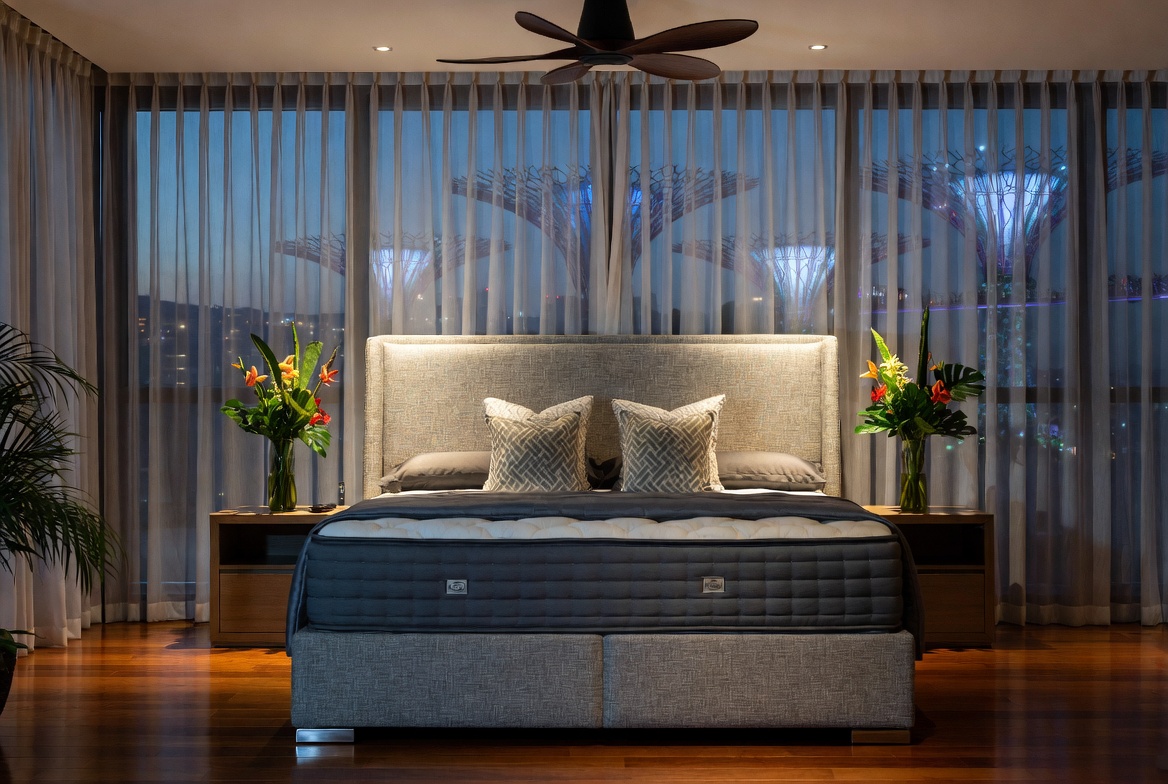
So, you've made it! You've navigated the reno dust, the furniture choices (so many!), and finally, you're ready to create your sanctuary. Remember all those tips and tricks we talked about for choosing the perfect bedroom plants? It all boils down to this: creating a space that's both beautiful and beneficial for your well-being. It’s not just about the aesthetics, though a well-placed snake plant confirm elevates the whole room lah!
Think back to those late nights tossing and turning. A little greenery might just be the answer. Beyond just looking pretty, plants have a knack for cleaning the air around you. They’re like tiny, silent roommates that constantly work to remove toxins and boost the oxygen levels. It’s a small change that can make a big difference, especially in our Singaporean climate where air quality can sometimes be a concern, right?
Consider the impact on your sleep. A bedroom filled with air-purifying plants can lead to a more restful night. Imagine drifting off to sleep in a room filled with fresh, clean air – sounds dreamy, doesn't it? And let's be honest, getting a good night's sleep is priceless, especially when you're juggling work, family, and everything else life throws your way. Plus, a calming environment can reduce stress and anxiety, making your bedroom a true haven from the hustle and bustle of daily life. Choosing the right plants is like investing in your own personal wellness retreat.
And hey, don't let the idea of caring for plants intimidate you! We’ve covered some seriously low-maintenance options. Snake plants, ZZ plants, even a humble spider plant – they're all pretty forgiving. Remember to consider the light levels in your bedroom and choose plants that thrive in those conditions. A little bit of sunlight and water is all they need to flourish. And honestly, there's something incredibly rewarding about nurturing a living thing. In Singapore’s tight condo apartments and condos, the bedroom often acts as a rest zone and more—a haven for unwinding after tiring office hours, catch up on reading, or even sneak in a quick work-from-home setup when needed. It’s frequent for homeowners to feel stuck with layouts that appear overcrowded, lighting that’s too harsh, or storage that eats into valuable floor space, making the room feel more practical than peaceful. That’s where thoughtful adjustable mattress singapore makes the biggest impact—it focuses on clever spatial solutions, soothing neutral tones, space-saving furniture, and clever lighting to create a peaceful retreat that optimises relaxation while keeping everything tidy and airy. All at once your sleep space evolves into the place you can’t wait to reach at the after a long day, helping you relax quicker, achieve better quality sleep, and rise feeling energised and ready for the day ahead. Resources like Wondrous La Vie provide tons of authentic project showcases and easy connections to professionals skilled in these functional and stylish local bedroom renovations.. It's a small act of self-care that can bring a surprising amount of joy. Plus, it's a great conversation starter when your friends come over – everyone loves a good plant story!
Let’s talk about how those plants complement your king bedroom set-up. Think about the overall vibe you’re going for. A minimalist king bedroom might benefit from a single, striking statement plant, like a fiddle-leaf fig, in a corner. A more bohemian style could incorporate hanging plants, trailing vines, and a mix of textures and colours. The key is to choose plants that enhance your existing decor and create a sense of harmony. And don't be afraid to experiment! Try different placements, different pots, and different combinations until you find what works best for you. After all, it's your space, your style, and your sanctuary.
You know, thinking about your king bedroom, it might be worth considering how the plants interact with the furniture. For example, a tall plant next to a bedside table can add height and visual interest. Trailing plants can soften the edges of a bookshelf or a dresser. And a small succulent on your desk can bring a touch of nature to your workspace. Make sure you choose pots that complement your furniture and overall style. Remember, it's all about creating a cohesive and inviting space. You can easily find affordable and stylish pots at places like IKEA or even your local neighbourhood shops. Confirm got something you like one!
So, what are you waiting for? Start small, maybe with just one or two plants, and see how they transform your space. The joy of watching something grow and thrive in your own home is pretty special. And who knows, you might just discover a new passion for gardening! Consider even adding some bedroom decor & accessories to further enhance the look. Go on lah, create your own relaxing and healthy sleep sanctuary. You deserve it!