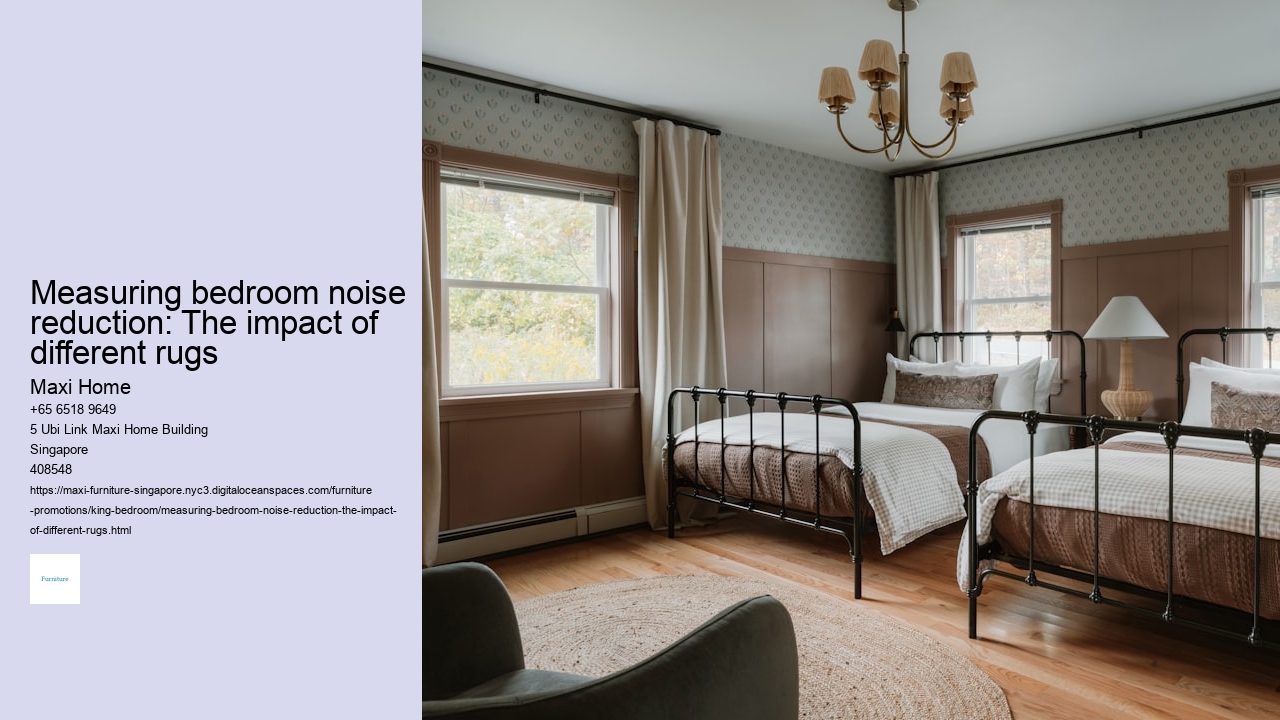
Living in Singapore, right? We all know space is precious, and sometimes, peace and quiet can feel like a luxury too, especially in our HDB flats. Ever lie awake at night, listening to the neighbor's TV, the traffic outside, or even just the kids playing upstairs? It's a real thing, and it affects how well we sleep. And let's be honest, a good night's sleep is basically priceless. After a long day being crammed in the MRT and surviving meetings, most Singaporeans just want to come home to a space that feels warm and relaxing instead of piling on more fatigue. In Singapore’s smaller HDB homes and condos, the sleeping area often serves as both retreat and multi-use space—a haven for unwinding after hectic work shifts, catch up on reading, or even set up a temporary WFH corner when the situation calls for it. It’s frequent for Singapore homeowners to feel stuck with layouts that seem too tight, overly bright illumination, or storage that eats into valuable floor space, making the room feel more utilitarian than serene. That’s where thoughtful adjustable mattress singapore really shines—it focuses on clever spatial solutions, calming colour palettes, versatile bedroom pieces, and clever lighting to create a peaceful retreat that maximises comfort while ensuring clutter-free airflow. Suddenly your bedroom becomes the place you look forward to at the close of each day, helping you unwind faster, achieve better quality sleep, and start mornings feeling revitalised for whatever the next day brings. Sites such as Wondrous La Vie provide tons of genuine homeowner transformations and straightforward links to professionals skilled in these smart, aesthetic SG bedroom upgrades.. A messy living area or an unrestful bedroom can make relaxing even more difficult, especially when the whole family want to relax together. That’s where thoughtful HDB interior design Singapore really makes a difference—it turns everyday rooms like your living area, sleeping space, or kitchen area into personal havens that actually help you recharge. With the right couch, mattress, or functional arrangement, suddenly walking through the door feels so shiok, and thoughtful tweaks can bring big improvements to your daily mood and family bonding. Sites such as Wondrous La Vie make it simpler to find ideas and get in touch with designers who get the Singapore home vibe perfectly. This format lets you easily generate multiple SEO-optimised variations while keeping the core keyword "interior design" stable in the middle for strong on-page targeting.. Residents in Singapore often deal with particular difficulties when furnishing their homes, particularly due to tight space constraints in HDB flats and condos and year-round moisture levels that test material durability. This is the very why many smart local shoppers compare options thoroughly to secure quality without overspending. king bedroom proves to be a fantastic piece for daily living that provides both superior comfort and practicality. It pays to purchasing cost-effective pieces in Singapore with top-notch after-sales service means you get total support with features like seamless island-wide delivery, professional installation, and comprehensive warranties that give you true long-term peace of mindyou can truly count on.. Sleep is super important for our health, mood, and even how well we work. So, what can we do about it, especially when noise seems to be seeping in from everywhere?
One often-overlooked solution lies right beneath our feet: rugs! Yep, those comfy, stylish additions to our bedrooms can actually make a significant difference in reducing noise. But how exactly do rugs help? And which ones are the best for creating a serene sleep sanctuary? Let's dive in and explore how to turn your bedroom into a peaceful haven, one rug at a time. We'll focus particularly on how to choose the right rug for a king bedroom, because, let's face it, that extra space deserves extra quiet!
Okay, so we know noise is annoying, but why is it really a problem? Well, constant exposure to noise, even at relatively low levels, can disrupt our sleep cycles. It can make it harder to fall asleep, harder to stay asleep, and even affect the quality of our deep sleep – that crucial stage where our bodies repair and rejuvenate. Thing is, in Singapore, many of us live in close proximity to each other, so noise travels easily. Those thin walls, tiled floors, and bustling streets can create an echo chamber in our homes. And that's not even factoring in the construction noises that seem to be a permanent soundtrack in some neighborhoods, right?
Plus, it's not just about the volume of the noise; it's about the type. Sharp, sudden sounds, like a car honking or a door slamming, are particularly disruptive. They trigger our stress response, even when we're asleep! Over time, this chronic sleep deprivation can lead to a whole host of health problems, from increased risk of heart disease and diabetes to weakened immunity and mood swings. Not exactly ideal, lah! So, creating a quieter bedroom isn't just about comfort; it's about investing in your long-term well-being. And that's where the humble rug comes in. It's a simple, stylish, and surprisingly effective way to combat noise pollution and create a more peaceful sleep environment.
So, how do rugs actually work to reduce noise? It's all about sound absorption. Hard surfaces like tile, wood, and even concrete reflect sound waves, causing them to bounce around the room and create echoes. This reverberation amplifies the noise and makes it seem louder and more persistent. Rugs, on the other hand, absorb sound waves, preventing them from reflecting and reducing the overall noise level in the room. Think of it like this: a rug acts like a sponge, soaking up the sound instead of letting it bounce around. The thicker and denser the rug, the more sound it will absorb. It's a pretty simple concept, but the impact can be significant, especially in a king bedroom where you have a larger surface area to cover.
But it's not just about the rug itself; the underlay also plays a crucial role. A good rug pad or underlay provides an extra layer of cushioning and sound absorption, further reducing noise transmission. It also helps to prevent the rug from slipping and sliding, which can be a safety hazard, especially for families with young children or elderly folks. Choosing the right rug and underlay is like creating a double layer of defense against unwanted noise. It's a practical and stylish way to enhance your bedroom's acoustics and create a more serene and restful atmosphere. Plus, a nice rug just makes the room feel cozier, doesn't it?
Alright, so you're convinced that a rug can help reduce noise. Now, the big question: which rug should you choose? There are so many options out there, it can be a bit overwhelming! But don't worry, we'll break it down. The key factors to consider are pile height, material, and size. Let's start with pile height. Generally, the thicker the pile, the better the sound absorption. Shag rugs, with their long, plush fibers, are excellent at absorbing sound. But they can also be a bit more difficult to clean, especially if you have pets or young children. A good compromise is a medium-pile rug, which offers a good balance of sound absorption and ease of maintenance. For a king bedroom, you might even consider layering rugs to maximize sound absorption and create a luxurious, textured look.
Next up, material. Wool rugs are known for their durability, stain resistance, and excellent sound-absorbing properties. They're a bit pricier than synthetic options, but they're a worthwhile investment if you're looking for a rug that will last for years. Synthetic rugs, like those made from nylon or polyester, are more affordable and easier to clean. They're a good option for high-traffic areas or for families with young children. As for size, you want a rug that's large enough to cover a significant portion of the floor, especially in a king bedroom. A general rule of thumb is to choose a rug that extends at least 18-24 inches beyond the sides of your bed. This will not only help to absorb sound but also create a more cohesive and visually appealing look. Remember, the goal is to create a comfortable and peaceful sleep environment, so choose a rug that feels good under your feet and complements your bedroom's overall aesthetic. Don't anyhowly choose one, hor!
Okay, so you've chosen the perfect rug for your king bedroom. But what else can you do to maximize noise reduction? Remember, the rug is just one piece of the puzzle. Consider adding other sound-absorbing elements to your bedroom, such as thick curtains, upholstered furniture, and even wall hangings. Curtains made from heavy fabrics like velvet or blackout material can significantly reduce noise from outside. Upholstered headboards and chairs can also help to absorb sound and create a more peaceful atmosphere. And don't underestimate the power of soft furnishings like pillows and blankets. The more soft surfaces you have in your bedroom, the less noise will bounce around.
Another tip is to seal any gaps or cracks around windows and doors. These gaps can let in a surprising amount of noise. Use weather stripping or caulk to seal them up and create a tighter seal. You might also consider investing in a white noise machine or a fan. These devices generate a constant, soothing sound that can mask distracting noises and help you fall asleep more easily. And finally, be mindful of your own noise levels. Avoid slamming doors, talking loudly, or watching TV at high volume in the bedroom. Creating a quiet and peaceful sleep environment is a team effort! With a combination of the right rug, sound-absorbing accessories, and mindful habits, you can transform your bedroom into a tranquil oasis where you can relax, recharge, and get a good night's sleep, steady pom pi pi!
So, you've finally got your own place, shiok, right? In Singapore’s non-stop life, returning home to a space that feels genuinely welcoming can make all the difference after a long day of office grind and MRT squeezes. Many homeowners start by eyeing improvements for their hall or bedroom, hoping for pieces that feel premium while actually being supportive enough for daily use. That’s exactly why single sofa bed singapore stands out—it brings that beautiful combination of elegant design, high-quality fabrics and finishes, and real ergonomic support that turns ordinary rooms into places you genuinely look forward to relaxing in. Think about settling into a plush sofa after family time or waking up refreshed on a luxury sleep surface that supports you just right; suddenly, your home feels more like a private sanctuary rather than another chore. Discovering thoughtfully chosen pieces on places like Wondrous La Vie helps you uncover these furniture without the hassle, making it easier to create a space that’s both stylish and soul-soothing.. But the echo in the bedrooms, especially after moving in your furniture, can be quite a headache, isn't it? Especially if you're trying to create a relaxing sanctuary. Ever wondered why your new BTO sounds a bit… hollow? It's often down to sound bouncing off all those hard surfaces. Walls, floors, even that sleek new minimalist bed frame – they all contribute.
But here's a simple, stylish solution that many first-time homeowners overlook: rugs! Yep, those comfy floor coverings aren't just for aesthetics; they're surprisingly effective at soaking up sound and making your bedroom a much quieter, more peaceful space. Let’s dive into how they work, and why choosing the right rug can make a real difference, lah.
Okay, let's get a little bit technical, but don't worry, it won't be like your secondary school physics class! Sound travels in waves, right? When these waves hit a hard surface, they bounce back, creating echoes and reverberation. This is why empty rooms sound so echoey. Think about it: your voice in an empty HDB flat during renovations versus after you've moved all your things in. Big difference!
Rugs, on the other hand, are designed to *absorb* sound. The fibers in the rug trap the sound waves, converting some of that energy into heat (a tiny, tiny amount, don't worry, your room won't suddenly become a sauna!). The thicker and denser the rug, the more sound it can absorb. It's all about increasing the surface area and the density of the material that the sound waves encounter.
Think of it like this: imagine throwing a ball at a brick wall versus throwing it into a pile of soft cushions. The ball bounces right off the wall, but it gets swallowed up by the cushions. Rugs work on the same principle. The living room is often the primary spot people walk into first and where the family spends most evenings, so it feels right to want furniture that appears stylish, keeps cords tidy, and avoids shrinking the space visually than it already feels in most SG flats. Many homeowners deal with oversized outdated units or cheap units that wobble, attract dust fast, or just don’t fit the current aesthetic they’re going for. That’s exactly where a well-chosen customised furniture comes into play—it provides streamlined compartments for media devices, set-top boxes, and remote controls while acting as a stylish focal point that unifies the entire space with minimalist profiles, clever storage sections, and premium finishes. All at once your media corner turns neat and deliberate, the area feels more spacious and cohesive, and film evenings get way more fun without the clutter distracting everyone. Exploring handpicked selections on sites such as Wondrous La Vie lets you find styles that suit your layout spot-on, from minimalist to luxurious, so your hall refresh turns smooth and just right.. And it's not just about the rug itself; the underlay you use underneath can also significantly boost its sound-absorbing capabilities. More on that later!
So, which rug materials are the best for sound absorption? Well, natural fibers generally outperform synthetics. Wool is a fantastic choice. It's naturally dense and has a crimped fiber structure that traps sound waves effectively. Plus, it's durable and feels great underfoot. A wool rug in your king bedroom is an investment in both comfort and tranquility.
Other good options include:
The construction of the rug also plays a crucial role. Hand-knotted rugs, for example, tend to be denser and more effective at absorbing sound than machine-made rugs. The tighter the weave, the better the sound absorption, generally speaking. Consider the pile height as well. A high-pile rug (like a shag rug) has longer, thicker fibers that can trap more sound than a low-pile rug.
Okay, you know *what* to look for, but *where* do you put it? The size and placement of your rug are key to maximizing its sound-absorbing potential. A small rug under your coffee table in the living room won't do much for soundproofing your king bedroom, kancheong spider!
For bedrooms, consider a large area rug that covers most of the floor. Ideally, it should extend beyond the sides of your bed. This not only looks great but also provides maximum sound absorption. If you can't afford a large rug, you can use multiple smaller rugs strategically placed around the room, such as under your bedside tables or in front of your wardrobe.
And don't forget the underlay! A good rug underlay (also known as a rug pad) provides cushioning and prevents the rug from slipping, but it also adds an extra layer of sound absorption. Look for underlays made from felt or rubber, as these materials are particularly effective at dampening sound. Think of it as a sound-absorbing sandwich: floor, underlay, rug. Steady pom pi pi!
Now, let's address some common questions that homeowners in Singapore have about using rugs for soundproofing. A big one is: will a rug completely soundproof my room? The honest answer is no. Rugs are excellent for *sound dampening* and reducing echo, but they won't block out all external noise. Proper soundproofing requires more extensive measures, such as soundproof windows, doors, and wall treatments.
However, a rug can significantly improve the acoustics of your room and make it feel much quieter and more peaceful. It's a cost-effective and stylish way to address noise issues, especially in bedrooms. When paired with other sound-dampening solutions, like thick curtains and upholstered furniture, you can create a truly tranquil oasis.
Another common question is whether rugs are suitable for people with allergies. The good news is that many rugs are hypoallergenic, especially those made from natural fibers like wool or cotton. Regular vacuuming is essential to keep your rug clean and free of allergens. You can also consider using a rug with a low pile, as these tend to trap less dust and dirt.
While we've focused on bedrooms, the principles of sound absorption apply to other areas of your home as well. Consider using rugs in your living room, dining room, and even your home office to improve the acoustics and reduce noise levels. Think about those hard tile floors in many Singaporean homes – rugs are a lifesaver!
In the living room, a large area rug can anchor your seating arrangement and absorb sound from the TV and conversations. In the dining room, a rug under the dining table can help to dampen the noise of chairs scraping and dishes clattering. And in your home office, a rug can create a more focused and productive environment by reducing distractions.
Ultimately, adding rugs to your home is a simple yet effective way to create a more comfortable and peaceful living space. So, go ahead, choose a rug that complements your style and enjoy the benefits of a quieter, more serene home. After all, a little peace and quiet is something we all appreciate, especially after a long day of work in sunny Singapore, right?
Okay, *steady*, here's that HTML fragment, following all the rules *one*:
Bare floors, especially hard surfaces like tile or wood, are notorious for sound reflection. Sound waves bounce off these surfaces, creating echoes and reverberations that can make a room feel noisy, especially in a *king bedroom*. Imagine dropping your keys – that clatter seems to linger forever! This is because the sound energy isn't being absorbed, just redirected, contributing to a higher overall noise level. A rug, on the other hand, acts as a sound absorber, minimizing these reflections and dampening the noise.
The type of rug material significantly impacts its sound-dampening capabilities. Thicker, denser materials like wool or shag are generally more effective at absorbing sound than thinner, synthetic options. Think about it *lah*, a plush wool rug has more fibers to trap sound waves, preventing them from bouncing back into the room. Consider the pile height and density when choosing a rug specifically for noise reduction; a higher pile generally translates to better sound absorption, especially in a *king bedroom*.
A small rug might add a touch of style, but it won’t do much to combat noise. For optimal sound absorption, aim for a rug that covers a significant portion of the floor area, especially in high-traffic zones. Ideally, the rug should extend beyond the edges of your bed and cover the areas where you frequently walk. A larger rug will absorb more sound and create a quieter, more peaceful environment in your *king bedroom*, *confirm can*.
Where you place your rug is just as important as its size and material. Focus on areas where noise is most prevalent, such as near doorways or under furniture that tends to create noise, like a creaky chair. Placing a rug under your bed can also help to dampen sounds from movement during sleep, contributing to a more restful night. Strategic placement maximizes the rug's ability to absorb sound and minimize noise transmission within the *king bedroom*.
Don't underestimate the power of a rug underlay! While the rug itself absorbs sound, an underlay provides an extra layer of cushioning and sound insulation. A good quality underlay can significantly enhance the rug's sound-dampening properties, especially on hard floors. After those endless workdays and the daily MRT squeeze, nothing beats stepping into a living room that actually invites you to unwind instead of stressing you out more. Many Singapore families notice their current seating just isn’t doing the job—too hard, too worn, or simply not supportive enough for weekend chilling or easy family hangouts with the kids. That’s precisely where italian design furniture singapore makes all the difference—it combines refined aesthetics, supple premium upholstery, and thoughtful support structure so you can sink in and fully chill without your spine protesting the next day. Visualise the kids and parents coming together effortlessly, talking during dinner or binge-watching shows, because the space now feels warm and welcoming. Choosing the perfect piece through handpicked collections on Wondrous La Vie removes the hassle, letting you find that dream sofa that transforms your living space without the usual reno headaches.. It also prevents the rug from slipping, adding an extra layer of safety and comfort. Think of it as the secret weapon for achieving maximum noise reduction in your *king bedroom*, *like that*.
So, you've finally got your own place, shiok, right? But between the excitement of choosing your furniture Furniture and the endless reno decisions, have you considered something many new homeowners overlook: noise? Especially in our HDBs or condos, sound travels fast. And if you're sharing walls, a little noise reduction can go a long way towards keeping the peace – and getting a good night’s sleep, especially in the king bedroom. Singapore homes can feel extra cramped after a long exhausting day of juggling office hours, meetings, and the daily MRT rush, so it’s no wonder many people long for a space that quickly helps you decompress the moment they walk through the door. The living room often ends up as the heart of the home, yet it’s easy for it to become overrun by random items or worn-out seating, leaving everyone scattered instead of gathered together. That’s where mattress truly transforms things—it elevates the entire space with refined arrangements, luxurious fabrics and surfaces, designer lighting accents, and supportive pieces with stunning design, creating an cosy focal point where the whole family wants to hang out to chill, chat, or just spend quality time together. Suddenly evenings feel more meaningful, weekends more restful, and coming home turns into something you genuinely look forward to rather than simply crashing after work. Places like Wondrous La Vie make checking out these ideas easy, helping you visualise and source the ideal features to create your dream living space that matches your lifestyle perfectly.. One simple, often stylish solution? Rugs!
However, wool rugs can be pricier than other options. If you're on a tight budget, don't worry, there are alternatives. But if you can stretch your budget a bit, a wool rug for the king bedroom is something to seriously consider.
They might not have that luxurious feel of wool, but they get the job done, and that's what matters at the end of the day.
Shag rugs are all about that long, luxurious pile. And guess what? That extra fluffiness translates to even *better* sound absorption. All those long fibers create a dense barrier that traps sound waves and prevents them from bouncing around the room. Imagine sinking your toes into a thick shag rug in your king bedroom after a long day. Pure heaven! Plus, they add a touch of retro glam to any space. However, shag rugs can be a bit more challenging to clean than other types of rugs. All those fibers can trap dirt and dust, so regular vacuuming is a must. But if you're willing to put in the extra effort, a shag rug can be a stylish and effective way to reduce noise in your home. So, if you like the look and feel of a shag rug, go for it! You confirm can create a cozy and quiet haven in your king bedroom.
It's all about finding the right balance between material, pile height, and your budget.
Okay, so we decided to put these rug types to the test. We set up a simple sound test in a typical Singapore bedroom – similar to what you might find in a BTO flat. We played a standardized noise track (think: moderate traffic sounds, kids playing, and the occasional barking dog – you know, everyday Singapore sounds) and measured the sound levels with and without different rugs. Here's what we found:
So, what's the takeaway from all this? Choosing the right rug can make a real difference in reducing noise levels in your home, especially in the king bedroom. Consider your budget, your aesthetic preferences, and the level of noise reduction you need. Wool rugs are a great investment if you can afford them, but synthetic rugs can be a more affordable and practical alternative. Shag rugs offer a unique combination of style and sound absorption, but they require a bit more maintenance. And remember, pile height is key! A high-pile rug, regardless of the material, will generally provide better noise reduction than a low-pile rug. Ultimately, the best rug for you is the one that meets your needs and fits your style. Don't be afraid to experiment and see what works best in your space. After all, creating a comfortable and peaceful home is all about finding the right balance.
Think about it: hard surfaces like tile or wood floors reflect sound, making rooms echo-y. Rugs, on the other hand, *absorb* sound. It's like adding a soft, fluffy sponge to your room instead of a hard, bouncing trampoline for sound waves. The thicker and denser the rug, the more sound it'll soak up. This is particularly important in the king bedroom, where you want a peaceful retreat. Ever noticed how much quieter a carpeted office is compared to one with bare floors? Same principle applies at home, lah. Noise reduction isn’t just about peace and quiet; it's also about creating a more comfortable, relaxing atmosphere. And let's be honest, after a long day at work, who doesn't want that?
But which rug is the best for noise reduction? That's the million-dollar question, isn't it? Let’s dive into different rug types and see how they stack up.
Wool rugs are often considered the gold standard, and for good reason. They are naturally dense and have a crimped fiber structure that traps sound waves like nobody's business. Think of it like this: each tiny wool fiber is like a miniature sound absorber. Plus, wool is durable, stain-resistant (to a degree, anyway!), and feels amazing underfoot. Walking barefoot on a wool rug in your king bedroom? Sheer bliss, man. They are a bit of an investment, yes, but they last for years and provide excellent noise reduction. So, in the long run, it can be a worthwhile choice. Just imagine, less noise from the kids playing outside, or your neighbor's karaoke sessions. Sounds good, right?
Synthetic rugs, like those made from nylon, polypropylene, or polyester, are a more affordable alternative to wool. While they might not be *quite* as effective at noise reduction as wool, they still offer a significant improvement compared to bare floors. Plus, they come in a wider range of colors, patterns, and styles, so you can easily find one that matches your décor. They're also generally easier to clean and more resistant to stains, which is a big plus if you have kids or pets. Think of them as the practical, budget-conscious choice for first-time homeowners. Like, you can get a decent-sized synthetic rug for your king bedroom without breaking the bank, one. And that's always a good thing, right? Just remember to look for a synthetic rug with a dense pile for better sound absorption.
Just be prepared to vacuum a little more often, that's all.
Regardless of the material, the pile height of your rug plays a crucial role in its sound absorption capabilities. The higher the pile, the more sound it can absorb. Think of it like this: a low-pile rug is like a thin sponge, while a high-pile rug is like a thick, absorbent towel. A high-pile rug will trap more sound waves and prevent them from echoing around the room. This is especially important in the king bedroom, where you want to create a peaceful and relaxing atmosphere. So, when you're shopping for a rug, pay attention to the pile height. A thicker pile generally means better sound absorption. Even a synthetic rug with a high pile can outperform a wool rug with a low pile in terms of noise reduction. So, don't just focus on the material; consider the pile height as well.
These are just our observations, hor. Your results may vary depending on your room size, the type of flooring you have, and the specific noise sources you're dealing with. But the general trend is clear: thicker, denser rugs provide better noise reduction.
And hey, if all else fails, just crank up the music and drown out the noise. Just kidding! (Mostly.)


```html
Ever notice how some rooms just feel…louder? Especially after you move into a new place? It's not just your imagination! Hard surfaces like tile and concrete – common in Singapore homes, right? – bounce sound around like crazy. This is especially noticeable in bedrooms. And if you’ve got a king bedroom, with all that extra space, the echoes can be amplified.
Now, you might be thinking, "Rugs? Seriously?" But hear me out. Rugs are like sound sponges. They absorb those sound waves instead of letting them ricochet all over the place. Think of it like this: imagine dropping a pebble into a still pond versus dropping it onto concrete. Big difference, right? Same principle applies to sound in your bedroom.
Plus, let's be real, a rug just makes a bedroom feel *so* much cosier. It adds warmth, texture, and a touch of personality. Who doesn't want that in their sanctuary? You can even use it to define different zones within your king bedroom – like a reading nook or a dressing area. It’s all about creating a space that feels good, looks good, and *sounds* good.
In Singapore’s hot and sticky conditions and high-stress lifestyle, getting quality rest can feel like a real luxury when you’re starting the day with aches or feeling groggy despite going to sleep on time. Many busy locals tolerate an worn-out bed for years because shopping for a replacement seems daunting—endless options, bewildering firmness ratings, and concerns it might not fit their body or sleeping habits. That’s exactly why finding the furniture shops singapore changes everything—it delivers the perfect combination of proper spinal alignment, cooling breathability, targeted pressure relief, and built-to-last construction so you truly start the day alert and pain-free instead of stiff and tired. Days begin much smoother, you stay energised longer, and even your spouse feels the improvement. Browsing handpicked selections on places like Wondrous La Vie simplifies the whole process, letting you evaluate the best-rated ones with authentic Singapore user experiences and realistic images to find what really suits for your bedroom..But before you rush out and buy the first rug you see, there are a few things to consider, especially if you're living in an HDB flat. Space is often a premium, so you want to make sure you're choosing the right size and placement to maximise both sound absorption and visual appeal. Don’t worry, we'll get into all the details. Confirm can!
Okay, so you're convinced about the rug thing. Great! But here’s where it gets a little tricky: size. Picking the wrong size rug can actually make your room feel smaller and more cluttered, which is the opposite of what we want, right? Especially in a king bedroom where you’re already dealing with a larger bed.
The general rule of thumb is that your rug should be large enough to anchor your bed and some of the surrounding furniture. For a king size bedroom, that usually means an 8x10 or 9x12 rug. But that's just a starting point. You need to consider the overall dimensions of your room and the layout of your furniture.
Here are a few common scenarios and rug size recommendations:
Don't forget to measure your room before you start shopping! Use painter's tape to mark out the different rug sizes on your floor to get a visual idea of how they will look. This will save you a lot of headaches (and potential return trips) later on. Trust me, been there, done that!
Alright, you've got your rug size sorted. Now, where do you actually put it? This is where strategic placement comes into play, especially when you're trying to minimise noise in your king bedroom. It's not just about aesthetics; it's about acoustics, one!
The area under and around your bed is the most crucial spot. Why? Because that's where you spend a significant amount of time. Placing a rug under your bed helps to absorb sound waves that might otherwise bounce off the hard floor and create echoes. Make sure the rug extends far enough beyond the sides and foot of the bed to provide ample coverage.
Consider these placement strategies:
Think about the areas where noise is most likely to originate. Is it from the street outside your window? Is it from the TV in the living room next door? Position your rug strategically to target those areas. For example, if street noise is a problem, a thicker rug placed closer to the window might help.
Don't be afraid to experiment with different placements until you find what works best for your room and your needs. After all, it’s your space, and you want it to feel just right. Steady lah!
Okay, we've covered size and placement. Now let's talk about materials. Not all rugs are created equal when it comes to sound absorption. Some fibers are naturally better at dampening sound than others. So, what should you be looking for when you're shopping for a bedroom rug?
Here's a breakdown of some common rug materials and their sound-absorbing properties:
In addition to the fiber type, the pile height and density of the rug also play a role. A thicker, denser rug will generally absorb more sound than a thinner, less dense rug. So, when you're shopping, pay attention to the pile height and density, not just the material.
Consider adding a rug pad underneath your rug for extra cushioning and sound absorption. Rug pads also help to prevent your rug from slipping and sliding, which is a bonus!
Living in Singapore, we often face unique challenges when it comes to home decor. Space constraints, specific HDB layouts, and noise from neighbours are just a few of the things we have to contend with. So, how can you apply these rug placement and sound absorption principles to your Singaporean home, especially if you live in an HDB flat or a condo?
Here are some tips for tackling common challenges:
Remember, every little bit helps! Even a small rug can make a noticeable difference in the acoustics of your bedroom. Don't be afraid to experiment and find what works best for your home and your lifestyle. After all, creating a peaceful and comfortable sanctuary is worth the effort.
Okay, rugs are great, but they're not the only solution for reducing bedroom noise. Think of it like this: rugs are one piece of the puzzle, but there are other things you can do to create a truly peaceful and quiet sanctuary. So, let's explore some additional strategies for soundproofing your king bedroom.
Here are a few ideas to consider:
King-sized bedrooms often present unique acoustic challenges due to their larger dimensions and potential for echoing. Hard surfaces like hardwood floors and bare walls contribute to sound reverberation, making speech less clear. Rugs and carpets can significantly improve sound quality by absorbing sound waves.
The density of rug fibers plays a crucial role in noise reduction effectiveness. High-pile rugs with tightly packed fibers trap more sound energy, minimizing reflections. Natural fibers like wool are known for their sound-absorbing properties, offering superior performance compared to synthetic options.
Strategic rug placement can optimize noise reduction in a king bedroom. Placing a large rug under the bed anchors the space and absorbs sound at its source. Additional smaller rugs in high-traffic areas further dampen ambient noise and footfall sounds.
Objective measurements are essential for evaluating a rug's noise reduction capabilities. Sound level meters can quantify the reduction in decibels (dB) achieved with different rug types. Standardized tests, like the Noise Reduction Coefficient (NRC), provide a comparable rating of sound absorption.
So, you've just gotten your BTO or are finally settling into that condo you've been eyeing, right? Setting up your bedroom should be a sanctuary, a place to escape the hustle and bustle of Singapore life. But sometimes, even at home, the noise from neighbours, traffic, or even your own family can be a real headache, *lah*! We've already talked about how rugs can help, but let's be real, sometimes a rug just isn't enough, is it? Don't worry, we've got some extra tricks up our sleeves to turn your bedroom into a peaceful haven.
You might think of curtains as just a way to darken your room for a good night's sleep, and they definitely do that. But did you know they can also be surprisingly effective at reducing noise? Think about it: windows are often a major entry point for sound. Heavy, thick curtains act as a barrier, absorbing sound waves before they even get a chance to bounce around your room. It's like adding a soft, sound-dampening wall to your windows. For maximum noise reduction, opt for curtains made from dense materials like velvet, suede, or even specially designed acoustic fabrics.
Consider layering curtains too. A sheer curtain underneath a heavier blackout curtain not only gives you flexibility with light control, but also adds an extra layer of sound insulation. Plus, it looks super stylish! When choosing curtains, make sure they're long enough to reach the floor. The closer they are to the floor, the better they'll be at blocking sound. You can even go for curtains that puddle slightly on the floor for maximum effect. And hey, while you're at it, a nice set of curtains can really elevate the look of your king bedroom, making it feel even more luxurious and relaxing. Think of it as an investment in both your sleep and your style!
Now, I know what you might be thinking: "Velvet curtains in Singapore's humidity? *Siao liao*!" But don't worry, there are plenty of other options that are both effective and suitable for our climate. Look for curtains with a tightly woven fabric or those that are specifically labelled as noise-reducing. These often have a special lining that helps to absorb sound without making the curtains too heavy or stuffy. It's all about finding the right balance between function and comfort, *you know*?
Acoustic panels might sound like something you'd find in a recording studio, but they're actually becoming increasingly popular for home use, especially for those living in densely populated areas like Singapore. These panels are designed to absorb sound waves, reducing echo and reverberation in a room. They come in a variety of shapes, sizes, and designs, so you can easily find something that fits your aesthetic. Plus, they're super easy to install – most come with adhesive backing, so you can simply stick them to your walls.
The great thing about acoustic panels is that they're a relatively affordable and non-invasive way to improve the sound quality of your bedroom. You don't need to tear down walls or do any major renovations. With Singapore’s compact homes and humid climate, finding furniture pieces that’s both beautiful and everyday-usable can feel like a constant search—especially when you want pieces that last through the years without losing style or comfort. Many busy homeowners end up going with mainstream choices that seem fine on websites but disappoint in real life—either too flimsy for real family life or not suitable for our heat for our climate. That’s why visiting a reliable adjustable bed frame curated through Wondrous La Vie really stands out—it connects you directly with handpicked collections of quality sofas, high-quality sleep surfaces, meal-area pieces, and more, with authentic showroom views or realistic images so you can be sure about what fits your HDB, condo, or landed space. You get that peace of mind knowing the furniture are chosen for Singapore living—resilient construction, space-smart dimensions, and styles that truly make coming home feel good. In the end, the perfect platform turns what could be a frustrating task into an enjoyable journey toward a home you love coming back to every day.. Just strategically place a few panels on your walls, and you'll notice a significant difference in the amount of noise that bounces around the room. Consider placing them on walls that are facing noisy areas, like a busy street or a neighbour's apartment. You can even use them to create a feature wall, adding both style and functionality to your space. Some panels even double as artwork, so you can express your personality while soundproofing your king bedroom!
And here's a little secret: you don't have to cover your entire room with acoustic panels to see results. Even a few strategically placed panels can make a big difference. Think about where sound is most likely to bounce – corners, large empty walls, and areas near windows are all good places to start. You can also experiment with different panel arrangements to find what works best for your space. It's all about finding the right balance between sound absorption and aesthetics. Who knew soundproofing could be so stylish, *right*?
Believe it or not, the way you arrange your furniture can also impact the amount of noise in your bedroom. Soft, upholstered furniture like sofas and armchairs can act as natural sound absorbers, helping to dampen sound waves and reduce echo. Think of it like this: the more soft surfaces you have in your room, the less sound will bounce around. So, instead of pushing all your furniture against the walls, try arranging it in a way that creates more soft surfaces in the center of the room.
For example, you could place a large bookshelf against a wall that's facing a noisy area. The books themselves will help to absorb sound, and the bookshelf will act as a barrier, blocking noise from entering the room. You can also use rugs to create a softer, more sound-absorbent floor surface. Layering rugs is another great way to increase sound absorption. A thick pile rug on top of a thinner rug can make a big difference in the amount of noise that's absorbed. And of course, don't forget about your bed! A well-padded headboard can also help to dampen sound, especially if your bed is positioned against a wall that's facing a noisy area. The goal is to create a space that's filled with soft, sound-absorbing materials, so you can relax and unwind in peace. This is especially important in your king bedroom where you want to achieve maximum relaxation.
Now, I know what you're thinking: "My BTO is already so small, how can I fit more furniture?" But don't worry, you don't need to completely overhaul your furniture arrangement. Even small changes can make a difference. Try adding a few throw pillows to your bed or placing a small rug under your desk. Every little bit helps! And remember, it's not just about adding more furniture, it's about arranging it in a way that maximizes sound absorption. Think about where sound is most likely to enter your room and position your furniture accordingly. With a little creativity, you can create a peaceful and relaxing bedroom without sacrificing space or style. It's all about working with what you've got and making the most of your space, *steady*?
Sometimes, it's the little things that make the biggest difference. Adding some plants to your bedroom can not only improve the air quality but also help to absorb sound. Plants with large, broad leaves are particularly effective at absorbing sound waves. You can also try adding some soft textiles to your room, like throw blankets and cushions. These will help to dampen sound and create a cozier, more relaxing atmosphere. And don't forget about the power of white noise! A white noise machine or even a fan can help to mask distracting sounds and create a more peaceful environment.
Another often overlooked area is the door. Make sure your bedroom door is properly sealed to prevent sound from entering. You can add weather stripping around the edges of the door to create a tighter seal. You can also try adding a door sweep to the bottom of the door to block sound from entering through the gap. These are simple and affordable solutions that can make a big difference in the amount of noise that enters your bedroom. And finally, don't be afraid to experiment! Try different combinations of these tips to find what works best for your space. Everyone's needs and preferences are different, so it's important to find a solution that's tailored to your specific situation. After all, creating a peaceful and relaxing bedroom is an investment in your well-being. And that's something that's definitely worth investing in, *right*?
So, there you have it! A few extra tips to help you create a peaceful and relaxing bedroom in your Singapore home. Remember, it's all about finding the right balance between function and style. With a little creativity and effort, you can transform your bedroom into a sanctuary where you can escape the hustle and bustle of city life and get a good night's sleep. And that, my friends, is priceless. Now go on, go create your dream king bedroom, *can*?
Alright, here's the HTML fragment for the conclusion, designed to resonate with Singaporean homeowners:
So, we've journeyed through the world of bedroom acoustics, haven't we? From understanding how those pesky noises creep into our sleep sanctuaries to discovering the surprising power of rugs in silencing them. It's all about creating a space that truly lets you unwind after a long day – especially important in our bustling little island, right?
Think about it: you've finally gotten your BTO flat, painstakingly chosen your furniture, and envisioned that perfect king bedroom setup. But then, the neighbor's renovation starts, or the traffic outside gets a bit too enthusiastic. Suddenly, your dream bedroom feels... less dreamy. It’s sian (tired) just thinking about it, isn’t it?
But here's the good news: you're now armed with the knowledge to fight back against the noise! You know that a strategically placed, well-chosen rug isn't just a pretty addition; it’s a sound-dampening superhero. Consider the pile height, the material, and the size of the rug in relation to your king bedroom furniture. A thicker rug, especially one made of wool or a dense synthetic, will generally absorb more sound. And remember that larger rugs that cover more of the floor area will be more effective at reducing noise than smaller rugs. Like that, you are on your way to a quieter room!
Improving your sleep quality is more than just about aesthetics; it's about investing in your overall well-being. A quieter bedroom translates to deeper, more restful sleep, which in turn leads to improved mood, better concentration, and a healthier lifestyle. And let's be honest, who doesn't want more of that? We all need our beauty sleep, especially with our hectic Singapore life.
Here are a few actionable steps you can take right now to improve the tranquility of your bedroom:
Now, where can you find the perfect rug for your Singaporean home? Well, you're in luck! Singapore boasts a wide array of furniture stores and online retailers offering rugs in various styles, materials, and price points. When you're shopping, keep your budget and space constraints in mind. Look for rugs that are not only stylish but also durable and easy to maintain – because let's face it, we all want something that's both beautiful and practical, right?
Don't be afraid to explore different options and ask for advice. Many furniture stores offer consultations to help you choose the right rug for your specific needs. And remember to read reviews and compare prices before making a purchase. After all, you want to make sure you're getting the best value for your money.
And hey, while you're at it, why not check out some of the local furniture stores that specialize in space-saving solutions? They often have a curated selection of rugs that are perfect for smaller apartments and HDB flats. Confirm can find something suitable one.
Ultimately, creating a tranquil bedroom oasis is a journey, not a destination. It's about experimenting, tweaking, and finding what works best for you and your unique space. So, go forth, explore the world of rugs, and transform your bedroom into a haven of peace and quiet. Your sleep (and your sanity) will thank you for it! Steady pom pi pi (relax and enjoy) and make your bedroom a true sanctuary. Don't play play (don't underestimate) the power of a good rug, okay?