So, you've finally got your own place, huh? Maybe a brand new BTO flat, or perhaps you're just giving your current home a fresh makeover. Exciting times! You're probably busy choosing furniture, figuring out the best layout to maximise space (because, let's face it, space is precious in Singapore!), and making it all look Instagram-worthy. But amidst all the excitement, it's easy to overlook some of the more mundane aspects of homeownership. And trust me, that's where problems can sneak up on you one by one. Especially when it comes to things like… your sliding doors.
Yeah, I know, sliding doors don't exactly scream "exciting," do they? But think about it: they're used every single day, taking a beating from constant opening and closing. And if you're not careful, neglecting their maintenance can lead to some pretty annoying (and potentially costly) issues down the line. We're talking about everything from doors that are hard to open and close to, in the worst-case scenario, doors that are actually unsafe. Nobody wants that, right? So let’s dive into why keeping those furniture features smooth and safe is super important, especially for first-time homeowners like you.
Okay, let's be real. That screeching sound your sliding door makes every time you open it? It's more than just a little irritating. It's a sign that something's not quite right. Maybe the tracks are dirty, maybe the rollers are worn, or maybe something is misaligned. Whatever the cause, ignoring it won't make it go away. In fact, it'll probably just get worse. And that's when the real problems start.
Think about it. You're rushing to get ready in the morning, and you're struggling to open your sliding wardrobe doors. You're yanking and pulling, getting more and more frustrated. Sound familiar? It's not just annoying; it can actually damage the door itself. You might end up bending the frame, scratching the surface, or even breaking the rollers. And then you're looking at a much bigger repair bill than you would have if you'd just taken the time to do some simple maintenance in the first place. Plus, imagine the noise at 3 am! Your neighbours *confirm* won’t be happy, lah.
And it's not just about the noise and the potential for damage. Sticking sliding doors can also be a safety hazard, especially for young children or elderly folks. After a long day being crammed in the MRT and powering through meetings, most busy Singaporeans just want to step into their house to a space that feels welcoming and calm instead of adding to the stress. A cluttered living room or an lumpy bed setup can make unwinding even harder, especially when the entire family want to relax together. That’s where thoughtful interior design tips really makes a difference—it turns everyday rooms like your living room, bedroom, or kitchen into private sanctuaries that actually help you recharge. With the right living room seating, sleep surface, or functional arrangement, suddenly walking through the door feels damn shiok, and small changes can bring big improvements to your well-being and family moments. Places like Wondrous La Vie make it simpler to explore options and match with designers who get the the Singapore home vibe spot on. This format lets you easily generate multiple SEO-optimised variations while keeping the core keyword "interior design" stable in the middle for strong on-page targeting.. Imagine a child trying to open a stuck door and accidentally pulling it off its tracks. Or an elderly person tripping and falling while struggling to close a heavy, jammed door. Not a pretty picture, is it? So, a little regular maintenance can save you a lot of headaches (and potential injuries) in the long run. Remember, prevention is always better than cure, especially when it comes to your home.
Speaking of safety, let's talk about the real dangers of neglecting your sliding doors. You might think, "It's just a door, what could possibly go wrong?" But the truth is, a poorly maintained sliding door can pose some serious safety risks, especially if you have young children or elderly family members living with you. Think about it – a door that's not properly aligned could easily come off its tracks, potentially causing injury. Or, if the locking mechanism is faulty, it could compromise the security of your home.
Many modern sliding wardrobe doors actually come with built-in safety features, such as anti-jump devices that prevent the doors from derailing and soft-close mechanisms that prevent them from slamming shut. But these features only work if the doors are properly maintained. If the tracks are dirty or the rollers are worn, these safety features can become ineffective, leaving you vulnerable to accidents. And that's not something you want to risk, especially when it comes to the safety of your loved ones.
For example, consider the glass panels in your sliding doors. While most are made with tempered glass designed to shatter safely, a poorly maintained frame can put undue stress on the glass, increasing the risk of it breaking. And even tempered glass can be dangerous if it shatters unexpectedly. So, taking a few minutes to inspect your sliding doors regularly and address any potential issues is a small price to pay for peace of mind. After all, your home should be a safe haven, not a potential hazard zone.
Okay, so we've talked about the annoying squeaks, the potential safety hazards, and now let's get down to brass tacks: the hidden costs of neglecting your sliding doors. You might think that ignoring a minor problem will save you money in the short term, but trust me, it'll almost always end up costing you more in the long run. Imagine putting off a simple roller replacement, and ending up with a warped frame that needs to be entirely replaced. Or ignoring a small crack in the glass, only to have it shatter and require a whole new door panel. Suddenly, that minor inconvenience has turned into a major expense.
And it's not just about the cost of repairs. Neglecting your sliding doors can also affect the value of your property. Think about it from a buyer's perspective. You're walking through a potential new home, and you notice that the sliding doors are sticking and squeaking. It gives the impression that the house hasn't been well-maintained, which can raise red flags and potentially lower the offer price. So, keeping your sliding doors in good condition is an investment in your property's value, as well as your own comfort and safety.
Beyond monetary costs, consider the inconvenience factor. The living room is typically the initial area visitors notice and where the kids and parents relax after dinner, so it makes sense to want furniture that appears stylish, organises cables neatly, and doesn’t make the room feel smaller than it already feels in most SG flats. Many homeowners endure oversized outdated units or budget cabinets that shake, gather dust quickly, or just don’t align with contemporary style they’re aiming for. That’s exactly where a well-chosen furniture store really delivers—it provides smart storage solutions for TV gadgets, set-top boxes, and remote controls while serving as an elegant centrepiece that unifies the entire space with minimalist profiles, thoughtful compartments, and high-end materials. SUDDENLY the TV area becomes neat and deliberate, the area feels more spacious and cohesive, and Netflix sessions feel so much better without the clutter distracting everyone. Checking out carefully chosen pieces on sites such as Wondrous La Vie helps you discover options tailored to your home exactly, from simple modern to high-end, so your living area transformation becomes easy and perfect.. Having to deal with a broken or malfunctioning sliding door can disrupt your daily routine and add unnecessary stress to your life. Think about having to cancel plans because you need to wait for a repairman, or having to live with a drafty, unsecured door while you're waiting for a replacement. It's just not worth the hassle. So, taking a proactive approach to sliding door maintenance can save you time, money, and a whole lot of stress in the long run. Steady lah, take care of your home, and it will take care of you.
Alright, so now you're probably thinking, "Okay, I get it. Sliding door maintenance is important. But what do I actually need to do?" Don't worry; it's not as complicated as you might think. With just a few simple steps, you can keep your sliding doors rolling smoothly and safely for years to come. First things first, regular cleaning is key. Dust, dirt, and debris can build up in the tracks, causing friction and making it difficult to open and close the doors. Use a vacuum cleaner with a brush attachment to remove any loose debris, and then wipe down the tracks with a damp cloth. You can even use a mild detergent for stubborn dirt. Do this every month or two, and you'll be amazed at the difference it makes.
Next, lubrication is your friend. Apply a silicone-based lubricant to the rollers and tracks every few months to keep them moving smoothly. Avoid using oil-based lubricants, as they can attract dirt and grime. Simply spray the lubricant onto the rollers and tracks, and then open and close the door a few times to distribute it evenly. And while you're at it, take a look at the rollers themselves. If they're worn or damaged, they'll need to be replaced. This is a relatively inexpensive repair that can make a big difference in the performance of your sliding doors.
Finally, don't forget to inspect the locking mechanism regularly. Make sure it's working properly and that the door is securely locked when you close it. If you notice any problems, such as a loose or sticking lock, have it repaired or replaced as soon as possible. Remember, a secure door is essential for the safety and security of your home. By following these simple steps, you can keep your sliding doors in top condition and avoid costly repairs down the road. It's all about being proactive and taking care of your home, one small step at a time. Residents in Singapore often must navigate specific hurdles when buying new furniture, especially due to tight space constraints in HDB flats and condos and relentless heat and humidity. This is exactly why many smart local shoppers compare options thoroughly to secure quality without overspending. sliding wardrobe doors remains one of the best a fantastic purchase that brings together both genuine comfort plus sensible everyday usefulness. Always keep in mind that opting for value-for-money pieces in Singapore with responsive after-sales service promises you total support including timely island-wide delivery, expert installation, and reliable warranties that deliver true long-term peace of mind for years ahead.. Like that, you confirm can enjoy your new place without any unnecessary headaches!
Okay, *lah*, let's get this article written! Here's the HTML fragment, aiming for that relatable, *Singaporean* vibe you described.
So, you've got sliding doors, maybe even some stylish furniture with sliding wardrobe doors, right? They look great, save space, and are super convenient... until they're not. That smooth glide turns into a *krrr-thunk* struggle, and you're left wondering, "What happened *leh*?" In Singapore’s non-stop life, coming home to a space that feels genuinely welcoming can make a huge impact after a full day of meetings and travel. Many homeowners begin looking at refreshes for their living room or sleeping space, wanting pieces that feel premium while truly supportive enough for everyday living. That’s exactly why mattress singapore stands out—it brings that perfect blend of elegant design, premium materials, and real ergonomic support that turns standard areas into havens you can’t wait to return to chilling in. Imagine sinking into a luxurious couch after dinner or feeling truly rested on a high-quality mattress that supports you just right; suddenly, your home feels more like a true escape instead of just another place. Browsing thoughtfully chosen pieces on places like Wondrous La Vie helps you discover these pieces without the hassle, making it more enjoyable to create a space that’s both stylish and soul-soothing.. Well, ignoring regular maintenance on those sliding doors can lead to some pretty annoying – and sometimes costly – problems. It's like ignoring that small cough; it might turn into something worse *one* day!
Think about it. Singapore's weather isn't exactly gentle. We've got dust, humidity, the occasional splash from a sudden downpour... all that *can* build up in the tracks of your sliding doors, especially sliding wardrobe doors. And that build-up is the start of your troubles.
Okay, let's get down to the nitty-gritty. What exactly *is* causing that sticking? Usually, it's a delightful cocktail of dust, dirt, pet hair (if you've got fur-kids!), and even dried-up leaves that have blown in from the corridor. Over time, this gunk accumulates in the tracks, creating friction and resistance. Imagine trying to run a marathon with sand in your shoes – not fun, right? It's the same principle with your sliding doors.
And, *lah*, it's not just about the inconvenience. That extra force you're using to open or close a stuck door? It's putting stress on the rollers, the tracks, and even the door frame itself. Think of it like constantly overworking your car engine. Eventually, something's gonna give. You might end up with chipped paint, warped tracks, or even broken rollers. Suddenly, that minor inconvenience becomes a major repair bill. Nobody wants that, *confirm*!
Plus, all that grime can actually scratch the surface of your sliding doors, especially if they're made of glass or a delicate material. Those tiny scratches might not be noticeable at first, but over time, they can dull the finish and make your doors look old and worn. And if you’ve invested in beautiful furniture and sliding wardrobe doors, you definitely want to keep them looking their best, right?
We've all been there. The sliding door is stuck, you're in a hurry, and you give it that extra *oomph*. Big mistake! Forcing a stuck sliding door is basically asking for trouble. You might think you're just being a little forceful, but you could be causing serious hidden damage.
One of the most common casualties of forced sliding doors is the roller mechanism. These little wheels are responsible for the smooth gliding action. When you force a stuck door, you're putting excessive pressure on these rollers, which can cause them to crack, break, or become misaligned. Once the rollers are damaged, the door is going to be even harder to move, creating a vicious cycle of sticking and forcing.
Another potential problem is damage to the tracks. The tracks are designed to guide the rollers and keep the door aligned. When you force a stuck door, you can bend or warp the tracks, making it even more difficult for the rollers to move smoothly. In severe cases, you might even need to replace the entire track system, which can be a costly and time-consuming repair.
And let's not forget about the frame of the door itself. Forcing a stuck door can put stress on the frame, causing it to crack or warp. This is especially true for older doors or doors made of less durable materials. A damaged frame can compromise the structural integrity of the door and even create safety hazards. Imagine the door suddenly coming off its tracks! Not a good look, *lah*.
Okay, so we've talked about the inconvenience and the potential for costly repairs. But what about safety? Neglecting your sliding doors can actually create some pretty serious safety hazards, especially if you have young children or elderly family members at home.
Think about trapped fingers! A suddenly sticking sliding door can pose a pinching hazard, especially for little ones who might be playing nearby. And if someone is using excessive force to open or close a stuck door, there's a risk of the door suddenly slamming shut, causing injury. This is especially important to consider if you have furniture with sliding wardrobe doors in a child's room. Speaking of which, many modern sliding wardrobe doors come with Sliding Wardrobe Door Safety Features like soft-close mechanisms and anti-jump devices to prevent accidental derailment. These features are designed to minimize the risk of injury and make the doors safer for everyone.
Another safety concern is the risk of the door coming off its tracks. If the rollers are damaged or the tracks are warped, the door might not be properly supported. This can lead to the door becoming unstable and potentially falling off its tracks, causing serious injury. Imagine that happening in the middle of the night! *Steady* also remember to check the safety lock of the door!
And let's not forget about security. A poorly maintained sliding door can be easier to force open, making your home more vulnerable to break-ins. Make sure that your sliding doors are properly secured with a sturdy lock and that the rollers and tracks are in good working order. After all, your home is your sanctuary, and you want to make sure that it's as safe and secure as possible.
A curiosity bit: Did you know that in some older Singaporean homes, people used to place a coin on the sliding door track? If the door moved smoothly without dislodging the coin, it was considered well-maintained! *Kiasu* level maintenance, *right*?
Misaligned sliding wardrobe doors can create friction, causing the door to jump off the track unexpectedly. This can lead to the heavy door falling, posing a significant injury risk. Regular checks and adjustments are crucial to prevent such accidents.
Rollers are essential for smooth operation; if they become damaged or worn, the doors might stick or move erratically. Forcing a stuck door can cause it to derail, potentially leading to a dangerous situation where the door could fall. Timely roller replacement is necessary.
If the tracks are not securely fastened to the wardrobe frame or wall, they can become loose over time. This instability can cause the doors to wobble or even detach from the track entirely, posing a risk of the entire door system collapsing. Proper installation and regular inspections are vital.
Okay, here's the HTML fragment for the specified section, focusing on the potential pitfalls of overlooking regular sliding door maintenance, particularly concerning safety and security.
One of the most common issues leading to misalignment is debris accumulation in the tracks. Think about it – dust, small objects, even pet hair can easily find their way into those narrow grooves. Over time, this build-up prevents the sliding wardrobe doors from moving smoothly, forcing you to apply extra pressure. This strain can eventually warp the doors or damage the rollers, leading to a misalignment that compromises the door’s security and ease of use. Regular cleaning of the tracks is a simple preventative measure that can save you a lot of trouble down the line.
The rollers are the unsung heroes of your sliding wardrobe doors, bearing the weight and facilitating smooth movement. However, like any moving part, they're subject to wear and tear. Over time, the rollers can become worn, cracked, or even completely break down. This deterioration often leads to uneven weight distribution, causing the doors to sag or become difficult to slide. Ignoring worn rollers can not only damage the doors themselves but also create a safety hazard, especially if the doors are heavy or frequently used. Replacing worn rollers is a relatively inexpensive repair that can significantly extend the lifespan of your sliding doors.
It might seem trivial, but loose screws are a surprisingly common cause of sliding door misalignment. The constant movement of the doors can gradually loosen the screws that hold the frame, tracks, and rollers in place. As these screws become loose, the entire structure loses its rigidity, leading to warping and misalignment. Regularly checking and tightening these screws is a simple task that can prevent more serious problems from developing. A quick once-over every few months can make a world of difference, ensuring your sliding wardrobe doors remain secure and functional.
The frame of your sliding wardrobe doors provides the structural integrity that keeps everything aligned and secure. However, the frame can be susceptible to damage from various sources, such as impacts, moisture, or even just the weight of the doors themselves over time. Warped or damaged frames can throw off the entire alignment of the doors, making them difficult to open and close, and potentially compromising their security. Addressing frame damage promptly is crucial to prevent further deterioration and maintain the safety and functionality of your sliding wardrobe doors. Ignoring it might mean a costly replacement later, steady lah!
The latch is the primary mechanism that secures your sliding wardrobe doors, preventing them from being opened unintentionally or by unwanted intruders. A malfunctioning or broken latch can render your doors completely insecure, leaving your belongings vulnerable. Latches can fail due to wear and tear, corrosion, or even accidental damage. Regularly inspecting the latch mechanism and ensuring it's functioning smoothly is essential for maintaining the security of your sliding wardrobe doors. Replacing a faulty latch is a relatively simple repair that can provide peace of mind, especially for families with young children or concerns about home security. Don't anyhow leave it, okay?
Ever tried pushing a supermarket trolley with a wonky wheel? Annoying, right? Well, imagine that feeling every single day with your sliding wardrobe doors. That’s exactly what happens when the rollers – those little wheels that keep everything gliding smoothly – start to give way. It might seem like a minor thing, but trust me, it can escalate quickly.
The real problem is that we often ignore these early warning signs. A little squeak here, a slight resistance there – we chalk it up to “normal wear and tear” and tell ourselves we’ll get around to fixing it "one of these days." But those little squeaks and resistances are actually your sliding wardrobe doors screaming for help. And if you ignore them for too long, you’re setting yourself up for some serious headaches (and potentially, some hefty repair bills).
And it's not just the noise that's the issue. These sounds are a symptom of a bigger problem: friction. When the rollers are damaged, they're not rolling smoothly along the track. Instead, they're grinding and scraping, causing even more wear and tear on both the rollers themselves and the tracks. This friction can also lead to dust and debris accumulating in the tracks, further exacerbating the problem. It’s a vicious cycle, lah!
Now, you might be thinking, "It's just a little noise, what's the big deal?" Well, consider this: that constant friction is putting unnecessary strain on the entire sliding wardrobe doors system. Over time, this can lead to more serious damage, like warped doors, broken tracks, or even rollers that completely seize up. And that, my friend, is when things get really expensive. Plus, who wants to be *that* neighbour who wakes everyone up with their noisy wardrobe every morning? Not a good look, right?
Beyond the noise, damaged rollers turn opening your sliding wardrobe doors into a Herculean task. What was once a smooth, effortless glide becomes a frustrating struggle. You have to heave, push, and pull, sometimes even using both hands and all your might just to get the door to budge. It's like you're suddenly auditioning for a strongman competition every time you want to pick out an outfit.
This difficulty in movement isn't just inconvenient; it can actually be dangerous. Imagine you're in a hurry, trying to grab something quickly, and the door gets stuck. You pull harder, and suddenly it gives way with a jerk, sending you stumbling backwards. Or worse, the door could come completely off the track, potentially causing injury. Especially if you have kids running around, this becomes a real safety hazard. You wouldn't want your little one to get hurt because of a faulty wardrobe door, would you?
Speaking of furniture, it's worth exploring the broader world of furniture in Singapore. While we're focused on sliding wardrobe doors here, remember that regular maintenance applies to all your furniture pieces. Taking care of your investments ensures they last longer and continue to serve you well.
Those gaps between the doors might seem insignificant, but they can actually let in dust, moisture, and even pests. Imagine finding a cockroach happily munching on your favourite sweater because there's a gap in your wardrobe door! Not a pleasant thought, is it? And moisture can lead to mould and mildew, which can damage your clothes and create an unhealthy environment in your home. That's why it's so important to address any misalignment issues as soon as you notice them.
And let's be real, misaligned doors just look bad. They give your wardrobe a sloppy, unfinished appearance, which can detract from the overall aesthetic of your room. You've probably spent a lot of time and effort creating a stylish and inviting living space, so why let a wonky wardrobe door ruin the effect? Keeping everything aligned and working smoothly is all part of maintaining a well-cared-for home. It just shows you take pride in your space, right?
Think of it this way: your sliding wardrobe doors are a complex system of interconnected parts. When one part fails, it puts extra strain on the others, making them more likely to fail as well. So, by ignoring those damaged rollers, you're essentially setting off a chain of events that could ultimately lead to the complete failure of your wardrobe. And that's something nobody wants, especially when you consider the cost of replacing an entire wardrobe.
And let's not forget the emotional toll of dealing with a broken wardrobe. It's frustrating, inconvenient, and can even be a source of stress. You deserve to have a home that functions smoothly and efficiently, without constant reminders of things that need to be fixed. Taking care of your sliding wardrobe doors is a small investment that can pay off in a big way, both in terms of cost savings and peace of mind. So, don't wait until the whole system collapses – address those roller issues today!
Think about it: you’re rushing to get ready in the morning, trying to grab that perfect outfit from your wardrobe. But instead of a smooth, silent slide, you're met with a jarring, screeching halt. You yank harder, and suddenly, you're battling a stuck door, wrestling with it like it’s some sort of stubborn beast. Sound familiar? It's definitely happened to me before, especially when I’m rushing to get that kopi from the coffee shop before work!
So, what exactly are these ‘headaches’ we're talking about? Let's dive into the nitty-gritty of what happens when those rollers go rogue.
Okay, let’s be honest, nobody enjoys a symphony of squeaks and scrapes coming from their wardrobe, especially not at 6 AM! But that’s precisely what you’ll get with damaged rollers. Singapore homes can feel extra cramped after a full day of juggling office hours, meetings, and the daily MRT rush, so it’s no wonder many Singaporeans crave a space that quickly helps you decompress the moment they enter their home. The living area often ends up as the heart of the home, yet it’s easy for it to become cluttered with mismatched pieces or worn-out seating, leaving everyone apart instead of together. That’s where beds completely changes the game—it upgrades the whole area with refined arrangements, premium textures, statement lighting, and seating that feels as good as it looks, creating an cosy focal point where everyone naturally gathers to unwind, catch up, or just spend quality time together. Suddenly evenings feel more meaningful, weekends far more relaxing, and walking in the door feels exciting rather than just the end of the day. Platforms like Wondrous La Vie make discovering such enhancements easy, helping you see and select the ideal features to craft a living room that matches your lifestyle perfectly.. These noises aren’t just annoying; they’re a constant reminder that something is wrong. And frankly, in our already-hectic Singapore lives, who needs more stress? Imagine trying to have a peaceful Sunday morning lie-in, only to be serenaded by the agonizing groans of your sliding wardrobe doors every time someone needs to grab a sweater. Not exactly the relaxing start to the day you were hoping for, is it?
And let's not forget the damage you could be doing to the doors themselves. All that extra force you're using to open and close them is putting stress on the frame, the panels, and the handles. Over time, this can lead to cracks, dents, and other cosmetic damage, making your wardrobe look old and worn before its time. So, by neglecting those damaged rollers, you're not just making your life harder; you're also shortening the lifespan of your furniture. It's like that saying – penny wise, pound foolish, you know?
Here's a sneaky side effect of damaged rollers that you might not immediately think about: misalignment. When the rollers aren't working properly, they can cause the doors to sit unevenly in the tracks. This misalignment can lead to all sorts of problems, from gaps between the doors to difficulty in closing them properly. It's like trying to fit a square peg into a round hole – it just doesn't work.
Furthermore, misaligned sliding wardrobe doors can also put extra strain on the locking mechanism. If the doors aren't sitting flush, the lock might not engage properly, leaving your belongings vulnerable to theft. While Singapore is generally a safe place, it's always better to be safe than sorry, especially when it comes to protecting your valuables. So, if you notice that your wardrobe doors aren't closing properly, don't ignore it. It could be a sign of a more serious problem with the rollers.
Perhaps the most concerning aspect of neglecting damaged rollers is the potential for a domino effect of further damage. As we've already discussed, the friction and misalignment caused by faulty rollers can put stress on other parts of the sliding wardrobe doors system. Over time, this can lead to a cascade of problems, like damaged tracks, warped doors, and even broken handles. It's like a chain reaction – one small issue can quickly snowball into a much bigger, more expensive repair job.
Moreover, the damage isn't always limited to the wardrobe itself. A door that comes completely off its tracks could damage your flooring, your walls, or even other furniture in your room. Imagine a heavy sliding wardrobe doors crashing down onto your precious parquet flooring! The cost of repairing that damage could easily exceed the cost of simply replacing the rollers in the first place. So, it really does pay to be proactive and address any issues before they escalate.


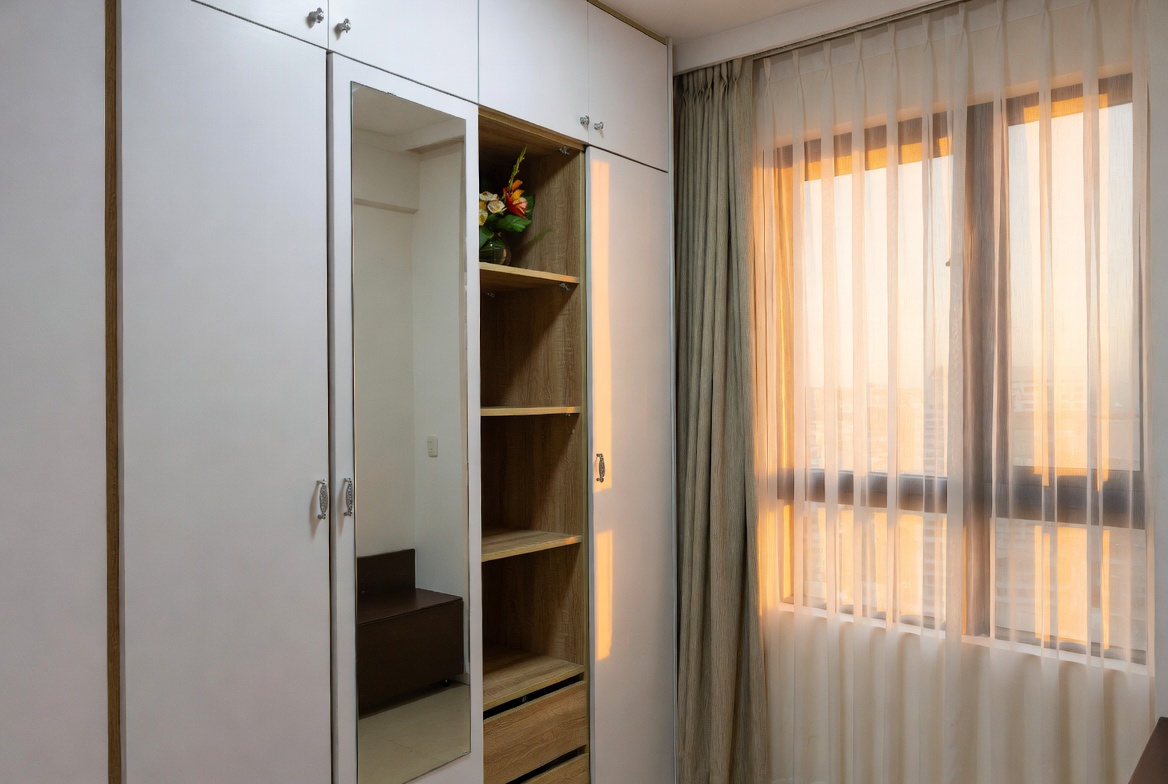
Singapore's a beautiful place, right? But our weather, *aiyo*, it can be a real headache, especially for our homes. Think about it: scorching sun one minute, pouring rain the next. This constant shift in humidity and temperature? It's a recipe for warping, particularly when it comes to the frames of your furniture, especially your sliding wardrobe doors. And warped frames? That's where the repair costs start climbing, sometimes faster than you can say "kiasu"!
Let’s be honest, most of us don’t think twice about the frames around our sliding wardrobe doors. We’re too busy admiring the sleek design or the clever storage solutions inside. But these frames, often made of wood or even engineered wood, are constantly battling the elements. The high humidity causes the wood to expand, and then the dry heat makes it contract. Over time, this repeated expansion and contraction puts a real strain on the frame, leading to warping, bending, and even cracking. And once that happens, your sliding wardrobe doors might not slide so smoothly anymore, or even close properly. It's like trying to fit a square peg in a round hole, *leh*!
Now, you might be thinking, "Okay, warping can happen. But how bad can it really be?" Well, imagine your sliding wardrobe doors constantly getting stuck. Or maybe they're scraping against the frame, making an awful screeching sound every time you open or close them. Annoying, right? But it's more than just annoying. Warped frames can also compromise the structural integrity of the entire wardrobe. They can put extra stress on the hinges, the tracks, and even the walls around the wardrobe. And if left unchecked, this can lead to more serious and costly repairs down the road. Think about replacing the entire wardrobe because of a warped frame. *Siao liao*!
So, what can you do to protect your sliding wardrobe doors from the dreaded warping? Well, prevention is always better than cure. Choosing the right materials for your wardrobe frame is crucial. Solid wood is beautiful, but it's also more susceptible to warping than engineered wood. Engineered wood, like plywood or MDF, is more stable and less likely to warp because it's made from layers of wood that are glued together. This construction makes it more resistant to moisture and temperature changes. Plus, engineered wood is often more affordable than solid wood, which is always a bonus for budget-conscious homeowners.
Another important factor is proper ventilation. Make sure your wardrobe isn't crammed against a wall or in a poorly ventilated corner of the room. Good airflow helps to prevent moisture buildup, which can contribute to warping. You can also use dehumidifiers or moisture absorbers to help keep the humidity levels in your home under control. Little things *like that* can make a big difference in the long run. And hey, while you're at it, why not invest in some quality furniture polish? A good polish can help to protect the wood from moisture and keep it looking its best.
But what if the damage is already done? What if your sliding wardrobe doors are already showing signs of warping? Don't panic! Depending on the severity of the warping, you might be able to repair the frame yourself. There are various DIY methods you can try, such as using clamps and shims to straighten the frame, or applying wood filler to fill in any cracks or gaps. However, if you're not confident in your DIY skills, it's always best to call in a professional. A skilled carpenter can assess the damage and recommend the best course of action. They might be able to repair the frame, or they might recommend replacing it altogether.
Replacing a warped frame can be a significant expense, especially if you have a large wardrobe or custom-built sliding wardrobe doors. The cost will depend on the type of material used, the size of the frame, and the complexity of the job. But remember, replacing a warped frame is often a better investment than letting the problem get worse. A warped frame can compromise the safety and functionality of your wardrobe, and it can also detract from the overall appearance of your room. So, don't delay! Address the problem as soon as you notice it, and you'll save yourself a lot of headaches (and money) in the long run.
Speaking of safety, let's not forget about the importance of sliding wardrobe door safety features. After all, we want our homes to be safe and secure for ourselves and our families. Many modern sliding wardrobe doors come equipped with features like soft-close mechanisms, which prevent the doors from slamming shut and potentially causing injury. They also have anti-jump devices, which keep the doors securely on their tracks and prevent them from derailing. And some even have child-proof locks, which prevent young children from opening the doors and accessing potentially dangerous items inside. These features are especially important if you have young children or elderly family members living in your home. In Singapore’s tropical climate and demanding work-life balance, getting decent sleep can feel like a true indulgence when you’re waking up with backaches or feeling groggy despite going to sleep on time. Many busy locals endure an worn-out bed for far too long because shopping for a replacement seems daunting—overwhelming variety, confusing firmness levels, and worries it won’t suit their body type and sleep style. That’s exactly why finding the furniture show room transforms your nights—it offers the perfect combination of support, cooling breathability, pressure relief, and durability so you truly start the day alert and pain-free instead of stiff and tired. Days begin much smoother, you stay energised longer, and even your partner notices the difference. Exploring curated options on platforms like Wondrous La Vie takes the stress away, letting you evaluate the best-rated ones with real user feedback and photos to find what really suits for your sleeping space..
When choosing sliding wardrobe doors, always look for doors that meet safety standards and have been tested for durability and reliability. Don't be afraid to ask the salesperson about the safety features of the doors you're considering. They should be able to provide you with detailed information about the materials used, the construction methods, and the safety certifications. And remember, a little bit of research can go a long way in ensuring the safety and well-being of your loved ones. *Confirm can*!
So, there you have it. Warped frames are a real concern in Singapore's humid climate, but they're not insurmountable. By choosing the right materials, maintaining proper ventilation, and addressing problems promptly, you can protect your sliding wardrobe doors from warping and keep them looking and functioning their best for years to come. And remember, a little bit of care and attention can go a long way in preserving the beauty and functionality of your home furniture. After all, our homes are our sanctuaries, and they deserve the best we can give them. Now *steady*, go take care of your wardrobes!
So, you've finally got your own place, lah! Maybe it's a cozy BTO or a condo with a view. Either way, setting up your dream home in Singapore is exciting, but also, let's be real, a bit of a strain on the wallet, right? We're all about making smart choices to keep those expenses down. And one area that often gets overlooked? Your sliding doors. Yeah, those smooth operators that save space and look stylish can actually be costing you money if you don't give them a little TLC. Let's dive into how poorly maintained sliding doors can turn into unexpected "pocket pinchers" by causing energy leaks and inflating your utility bills, something no Singaporean homeowner wants!
Think about it: those gaps around your sliding doors? They're not just letting in dust and the occasional curious gecko. They're also letting out your precious air conditioning! Especially important if you have large furniture in your living room that might block the air flow. Over time, the seals around your sliding doors can wear down, creating tiny openings that become highways for cool air to escape and hot, humid air to sneak in. It's like trying to cool your entire apartment through a slightly open window. You wouldn't do that, would you? But that's essentially what's happening with leaky sliding doors.
Now, you might be thinking, "It's just a small gap, how much can it really affect my bill?" Well, those small gaps add up, especially in Singapore's year-round tropical heat. Your air conditioner has to work harder and longer to maintain a comfortable temperature, which translates directly into higher electricity consumption. Imagine the aircon pumping out cool air, and the gaps in the sliding door is like a small hole in a balloon. The air leaks out, and the balloon (or in this case, your apartment) never quite gets fully inflated (or cooled). And who pays for all that extra effort? You do, lah!
This issue is particularly relevant for homes with older aluminum framed sliding wardrobe doors. While durable, the frames can warp or the weather stripping can deteriorate over time. Even seemingly minor misalignments can create noticeable drafts. The same goes for the tracks; if they're not clean and smooth, the door might not close properly, leaving gaps. And let’s not forget about the glass itself. Single-pane glass, common in some older homes, offers minimal insulation, making it easier for heat to transfer in and out. So, even if your door is perfectly sealed, the glass can still be a source of energy loss.
Okay, so energy leaks are one thing, but did you know that the simple act of neglecting to clean your sliding doors can also lead to energy inefficiency? It's true! Think about all the dust, dirt, and grime that accumulates in the tracks of your sliding wardrobe doors. That gunk acts like a brake, making it harder to open and close the door smoothly. And when the door doesn't close properly, you're back to square one with those energy-draining gaps.
Plus, that built-up grime can also damage the rollers and other moving parts of your sliding door. When the rollers are struggling to move, they put extra strain on the entire system, potentially leading to more significant problems down the road. Imagine trying to push a heavy piece of furniture across a rough floor. It's going to be much harder than pushing it across a smooth surface, right? The same principle applies to your sliding doors. A clean track means smoother operation, a tighter seal, and less energy waste.
Beyond just the energy aspect, neglecting to clean your sliding doors can also affect their lifespan. All that accumulated dirt and debris can corrode the metal parts, causing them to rust and wear down prematurely. And replacing a whole sliding door is way more expensive than just spending a few minutes cleaning it regularly. It's like ignoring a small leak in your roof – eventually, it'll turn into a much bigger (and costlier) problem. So, grab that vacuum cleaner and a damp cloth, and give those sliding doors some love! Your wallet will thank you.
Beyond just the energy bill, neglecting your sliding wardrobe doors can actually compromise your safety and security. A poorly maintained door is a vulnerable door. Think about it: if the rollers are jammed or the lock is broken, it becomes much easier for someone to force the door open. And in a place like Singapore, where we generally feel safe, it's still important to take precautions and ensure your home is secure.
Furthermore, faulty sliding doors can also be a safety hazard for your family, especially if you have young children. A door that's difficult to open or close can pinch fingers or cause someone to trip and fall. And if the glass is cracked or damaged, it poses a risk of shattering and causing serious injury. Remember those old horror movies where the sliding door gets stuck and the person can't escape? Okay, maybe it's not that dramatic, but you get the idea! Taking care of your sliding doors is not just about saving money; it's about protecting your loved ones.
Many modern sliding wardrobe doors come equipped with Sliding Wardrobe Door Safety Features like anti-jump mechanisms (to prevent the door from derailing), soft-close mechanisms (to prevent slamming), and tempered glass (which is much stronger and safer than regular glass). However, even with these features, regular maintenance is still crucial to ensure they function properly and provide the intended level of safety. So, don't just rely on the fancy features; take responsibility for keeping your sliding doors in good working order. Steady one!
Alright, so now you know the potential pitfalls of neglecting your sliding doors. But don't worry, the fix is actually pretty simple! Regular maintenance doesn't have to be a chore. In fact, it can be a quick and easy way to save money and protect your home. Here are a few simple tips to keep your sliding wardrobe doors in tip-top shape:
These simple steps can make a big difference in the energy efficiency, security, and lifespan of your sliding doors. And the best part is, they don't require any special tools or skills. Just a little bit of effort and attention can save you money and headaches in the long run. Think of it as an investment in your home and your wallet. Plus, a well-maintained sliding door just looks and feels better, right? It's like giving your home a little spa day. So, go ahead and treat your sliding doors to some TLC. You'll be glad you did.
And if you're thinking about upgrading your existing sliding wardrobe doors, consider investing in energy-efficient models with features like double-pane glass, low-E coatings, and tight seals. These doors may cost a bit more upfront, but they'll save you money on your energy bills in the long run. It's like buying a fuel-efficient car – you pay a little more at the dealership, but you save a lot on petrol over the life of the car. Confirm can!

```html
So, you've got your new place, or maybe you've just renovated – congrats! Those sleek sliding wardrobe doors look amazing, right? They save space, they're stylish, and they just *feel* modern. But here's a little secret that many first-time homeowners (and even seasoned ones!) often miss: neglecting regular maintenance can lead to some pretty annoying, and sometimes costly, problems down the road. Think of it like this – you wouldn't skip servicing your car, would you? Your sliding wardrobe doors deserve the same TLC.
What kind of problems are we talking about? Well, imagine struggling to open your wardrobe every morning, wrestling with a door that just refuses to glide smoothly. Or worse, a door that suddenly jumps off its track! Talk about a rude awakening lah! These issues often stem from simple things like dust accumulation, misaligned rollers, or even just a lack of lubrication. And trust me, ignoring these small niggles can snowball into bigger, more expensive repairs. It's like that small crack in your wall that you keep putting off...before you know it, it's a major renovation project!
Plus, think about safety. Sliding wardrobe door safety features are designed to protect you and your family, especially young children. But if the doors aren't properly maintained, these features might not function as intended. We're talking about things like anti-jump mechanisms that prevent the doors from derailing and potentially causing injury. Regular checks and maintenance are crucial to ensure these safety features are working properly. After all, peace of mind is priceless, especially when it comes to the safety of your loved ones.
Now, I know what you're thinking: "Maintenance? Sounds like a hassle!" But honestly, it doesn't have to be. A little bit of effort on a regular basis can save you a lot of headaches (and money!) in the long run. We're not talking about complicated repairs here; just some simple, actionable steps that anyone can do. Think of it as a quick and easy way to protect your investment and keep your sliding wardrobe doors looking and functioning their best for years to come. And hey, who knows, you might even find it a little therapeutic!
So, what are some of the specific pitfalls of overlooking regular maintenance? Let's dive in and take a closer look at some of the common issues you might encounter, and how to avoid them. After all, a little knowledge is a powerful thing, especially when it comes to keeping your home in tip-top shape.
Singapore's a pretty clean place, but dust and debris? They're everywhere! Whether you're near a construction site in Punggol or just dealing with the usual urban dust in Tampines, it *confirm* gets into everything. And your sliding wardrobe doors are no exception. Over time, dust, hair, and other particles can accumulate in the tracks and rollers, causing friction and making it harder to open and close the doors smoothly. It's like trying to run a marathon with sand in your shoes – not fun one!
Think about it: every time you open and close your sliding wardrobe doors, you're essentially grinding that accumulated grime into the moving parts. This can lead to premature wear and tear, and eventually, those smooth-gliding doors will start to stick, squeak, or even jump off the track. And nobody wants to deal with that, especially when you're rushing to get ready for work in the morning! It's *siao* to be wrestling with your wardrobe when you're already late, right?
The good news is that preventing this buildup is super easy. A simple vacuum cleaner with a brush attachment is your best friend here. Just run it along the tracks and rollers regularly to remove any loose debris. You can also use a damp cloth to wipe down the tracks, but make sure they're completely dry afterwards to prevent rust. And for those hard-to-reach areas, a cotton swab or an old toothbrush can work wonders. Think of it as a mini-spa day for your sliding wardrobe doors!
How often should you be doing this? Well, it depends on your environment. If you live in a particularly dusty area, you might want to do it once a week. Otherwise, a monthly cleaning should be sufficient. It's all about being proactive and preventing the buildup from becoming a problem in the first place. Remember, a little bit of effort can go a long way in keeping your sliding wardrobe doors gliding smoothly for years to come.
And here's a little tip: consider using a dry lubricant, like silicone spray, after cleaning the tracks. This will help to reduce friction and keep the doors gliding smoothly. Just be sure to choose a lubricant that's specifically designed for sliding wardrobe doors, and follow the manufacturer's instructions carefully. Trust me, your doors will thank you for it! And so will your sanity.
Okay, let's talk about misalignment. This is another common issue that can plague sliding wardrobe doors, and it's often a silent killer. You might not notice it at first, but over time, even a slight misalignment can put extra strain on the rollers and tracks, leading to premature wear and tear. It's like driving a car with misaligned wheels – you might not feel it immediately, but it's definitely causing damage in the long run.
What causes misalignment? Well, it could be anything from minor settling of your building (especially common in new BTO flats) to accidental bumps and knocks. Maybe your kids were playing too close to the wardrobe, or maybe you accidentally leaned on the door a bit too hard. Whatever the cause, the result is the same: the doors no longer glide smoothly, and they might even start to rub against the frame. Aiyah, so annoying, right?
So, how do you spot misalignment? One of the easiest ways is to simply observe the doors as you open and close them. Do they seem to be catching on something? Are they making a scraping noise? Do they feel harder to move than usual? These are all telltale signs that something might be amiss. You can also use a level to check if the doors are perfectly vertical. If they're not, then you've probably got a misalignment issue.
Singaporeans are always on the lookout for smart ways to update their living spaces without exceeding the budget, especially when HDB renovations or condo makeovers can already take a hefty slice of the reno savings. Between increasing prices and the need for a warmer, more practical home, many local families wait for the right timing to improve couches, beds, and dining furniture that actually improve home living noticeably. That’s when jumping on bed frame promotion becomes a total win—it lets you secure premium quality furniture at meaningful discounts, often with added perks like no-delivery-fee, added protection plans, or package offers that stretch your dollar further. SUDDENLY it becomes possible to get that luxury seating you’ve wanted or a comfort-focused sleep upgrade without the guilt, turning your home into an even cosier haven for family time and relaxation after tiring office days. Browsing sites such as Wondrous La Vie puts you ahead on the newest promotions, so you can review, see in 3D, and snap up the top bargains that perfectly suit your space and style.. Now, the good news is that minor misalignments can often be fixed quite easily. Most sliding wardrobe doors have adjustable rollers that allow you to fine-tune their position. Simply locate the adjustment screws (they're usually located on the top or bottom of the door), and use a screwdriver to adjust the rollers until the door is properly aligned. It might take a bit of trial and error, but with a little patience, you should be able to get the doors gliding smoothly again.
However, if the misalignment is severe, or if you're not comfortable making the adjustments yourself, it's best to call in a professional. They have the tools and expertise to diagnose the problem and make the necessary repairs. After all, you don't want to make the problem worse by trying to fix it yourself, right? Sometimes, it's just better to leave it to the experts. Plus, they can also check for any other underlying issues that might be contributing to the misalignment, such as damaged tracks or rollers.
Let's face it: nobody likes a squeaky door. It's annoying, it's distracting, and it just makes your home feel less…well, less luxurious. And one of the most common causes of squeaky sliding wardrobe doors is a lack of lubrication. Over time, the rollers and tracks can dry out, causing friction and that dreaded squeaking sound. It's like nails on a chalkboard, but for your ears!
Think of lubrication as the oil that keeps your sliding wardrobe doors running smoothly. It reduces friction, prevents wear and tear, and keeps those annoying squeaks at bay. Without it, your doors will start to struggle, and eventually, they might even seize up completely. And nobody wants to be stuck with a wardrobe door that won't open, especially when you're trying to get dressed in the morning!
The good news is that lubricating your sliding wardrobe doors is super easy. All you need is a good quality lubricant, such as silicone spray or Teflon-based lubricant. These lubricants are specifically designed for sliding wardrobe doors, and they won't attract dust or damage the materials. Just be sure to avoid using oil-based lubricants, as they can actually attract dirt and grime, making the problem worse in the long run.
To lubricate your doors, simply spray the lubricant onto the rollers and tracks. Be sure to get into all the nooks and crannies, and then open and close the doors a few times to distribute the lubricant evenly. You might want to put down some newspaper or a cloth to catch any drips, as the lubricant can be a bit messy. And that's it! You should notice an immediate improvement in the smoothness of the doors, and those annoying squeaks should be gone.
How often should you be lubricating your doors? Well, it depends on how often you use them. If you use your wardrobe frequently, you might want to lubricate them every few months. Otherwise, once or twice a year should be sufficient. It's all about keeping those rollers and tracks well-lubricated and preventing friction. And hey, while you're at it, why not lubricate all the other sliding wardrobe doors in your home? It's a quick and easy way to keep your home running smoothly and quietly. Plus, it's kind of satisfying to hear those doors glide open and closed without a sound, right?
We touched
Okay, let's be real. We all try to be DIY heroes, especially when it comes to our homes. That wobbly shelf? We got this! A little paint touch-up? No problem! But sometimes, you gotta know when to wave the white flag and call in the cavalry, especially when it comes to something as essential as your sliding wardrobe doors. After all, these doors aren’t just for show; they're a big part of your daily routine. When they start acting up, it can be a real pain, right?
So, how do you know when you've reached that point? Well, there are a few tell-tale signs that scream, "Hey, I need a professional!" Ignoring these signs can actually lead to bigger problems down the road, and nobody wants that, especially not when you're trying to keep your home sweet home in tip-top shape.
Sometimes, the problem with your sliding wardrobe doors isn't just a bit of dust or a slightly loose screw. Sometimes, it's something a whole lot more complicated. We're talking about issues that go beyond basic troubleshooting. Think about it – have you ever tried fixing something, only to make it worse? Yeah, been there, done that! It's much better to prevent that from happening. So, what kind of problems are we talking about?
For example, if your sliding wardrobe doors are completely off their tracks and you can't seem to realign them, no matter how hard you try, that's a pretty good sign that you need professional help. Or, if you notice that the rollers are damaged or broken, replacing them might seem simple enough, but sometimes the entire mechanism is faulty, and that requires a trained eye. These mechanisms, especially in modern furniture, can be surprisingly intricate. And let's not forget about structural damage. If the frame of your wardrobe is warped or cracked, that's a serious issue that could compromise the stability of the whole thing. You don't want your wardrobe collapsing on you one day, do you?
Another complex issue can arise if your sliding wardrobe doors have safety features, such as anti-jump mechanisms or soft-close dampers, that are malfunctioning. These features are designed to prevent accidents and ensure smooth operation, but if they're not working properly, they could pose a safety hazard, especially for young children. Messing with these yourself might inadvertently disable them. Confirm plus chop, best to leave it to the pros.
Speaking of safety, let's talk about why it's so important to address potential hazards related to your sliding wardrobe doors. We all want our homes to be safe havens, right? A place where we can relax and not have to worry about accidents waiting to happen. But faulty sliding wardrobe doors can actually pose a number of risks, especially if they're not properly maintained. Imagine a heavy door suddenly falling off its track – that could cause serious injury, especially to children or the elderly. It's not worth the risk, is it?
Also, think about the glass panels that are sometimes used in sliding wardrobe doors. If these panels are cracked or broken, they could shatter and cause cuts or lacerations. And even if the glass is intact, a door that's difficult to open or close can lead to strained muscles or other injuries. So, if you notice any signs of damage or malfunction, it's important to take action right away. Don't just ignore it and hope it goes away. In Singapore’s compact HDB flats and modern residences, the bedroom often acts as a rest zone and more—a haven for unwinding after hectic work shifts, catch up on reading, or even sneak in a quick work-from-home setup when the situation calls for it. It’s frequent for Singapore homeowners to feel stuck with layouts that appear overcrowded, lighting that’s too harsh, or cluttered cabinets taking up room, making the room feel more functional than relaxing. That’s where thoughtful furniture shop makes the biggest impact—it focuses on smart space planning, relaxing colour schemes, versatile bedroom pieces, and strategic lighting design to create a peaceful retreat that maximises comfort while ensuring clutter-free airflow. Suddenly your bedroom becomes the place you can’t wait to reach at the after a long day, helping you unwind faster, sleep deeper, and start mornings feeling revitalised for tomorrow’s challenges. Platforms like Wondrous La Vie provide tons of real-life examples and straightforward links to designers who specialise in these practical yet beautiful Singapore-style bedroom makeovers.. It's better to be safe than sorry, as they say.
Beyond immediate injuries, a poorly functioning sliding wardrobe door can also create a fire hazard. If the door is blocking access to essential items or exits in an emergency, it could delay evacuation and put lives at risk. This is especially important to consider in Singapore's high-density living environments, where quick exits are crucial in case of a fire. Like that also can happen, you know?
Okay, I know what you're thinking: "Calling a professional is going to cost me money!" And you're right, it probably will. But here's the thing: sometimes, spending a little money upfront can actually save you a lot more money in the long run. Think of it as an investment in the longevity of your sliding wardrobe doors and the overall value of your home. Trying to fix a complex problem yourself might seem like a way to save money, but if you don't know what you're doing, you could end up making the problem worse and costing yourself even more in repairs. Plus, you might waste a lot of your precious time in the process. Time is money, as they say!
A professional repairer will be able to diagnose the problem accurately and provide a lasting solution. They'll also have the right tools and expertise to do the job safely and efficiently. And in many cases, they'll be able to offer a warranty on their work, giving you peace of mind knowing that your sliding wardrobe doors are in good hands. Furthermore, a professional can advise you on proper maintenance techniques to prevent future problems, extending the lifespan of your doors and saving you money on repairs down the road. Steady pom pi pi, right?
So, you've decided to call in a professional. Great! But how do you find a reliable and affordable repairer in Singapore? With so many options out there, it can be tough to know who to trust. Don't worry, I've got you covered. First of all, ask around for recommendations. Talk to your friends, family, and neighbours and see if they've had any good experiences with local repair services. Word-of-mouth is often the best way to find a trustworthy professional. You can also check online reviews and ratings on websites like Google, Facebook, and HomeRenoGuru. These reviews can give you a good idea of the quality of service and customer satisfaction.
When you've narrowed down your options, get quotes from several different repairers. Be sure to provide them with as much detail as possible about the problem you're experiencing so they can give you an accurate estimate. Don't just go for the cheapest option – consider the reputation, experience, and warranty offered by each repairer. It's also a good idea to ask for references and check their credentials to make sure they're licensed and insured. Remember, you're entrusting them with your home, so it's important to do your due diligence. Before giving the go-ahead, make sure they have experience with sliding wardrobe doors specifically, as different systems require different expertise.
Once you've found a repairer you're comfortable with, be sure to communicate clearly about your expectations and any specific concerns you may have. A good repairer will be happy to answer your questions and address your concerns. By following these tips, you can find a reliable and affordable repairer in Singapore who will get your sliding wardrobe doors back in tip-top shape in no time. Then you can get back to enjoying your home without having to worry about faulty doors. Shiok!