```html
So, you've got yourself some snazzy furniture, maybe even sliding wardrobe doors, which are super popular these days, right? They save space, look modern, and… well, they're supposed to be quiet. But what happens when that gentle, almost silent closing turns into a *thud* that makes you jump? Don't worry, it's a common problem, and most of the time, you can fix it yourself. We're talking about those clever soft-close mechanisms. Let's dive in, lah!
Soft-close mechanisms are those little heroes hidden inside your sliding wardrobe doors that prevent them from slamming shut. Instead of a loud bang, they gently ease the door closed, giving you a smooth, almost silent operation. Think of it as a tiny brake for your wardrobe door. They typically work using a system of hydraulics or air pressure, which creates resistance as the door approaches the frame. This controlled resistance slows the door down, ensuring a soft and quiet closure. It's pure genius, really! No more waking up the whole family when you're grabbing something from your wardrobe late at night. And let's be honest, no more accidentally trapping your fingers – we've all been there, haven't we?
But, like all mechanical things, these mechanisms can sometimes need a little TLC. They might get knocked out of alignment, the hydraulic fluid could leak (though that's rare), or dust and debris could build up, affecting their performance. That’s when your formerly smooth sliding wardrobe doors start acting up and losing their soft-close magic. That's where this guide comes in. We'll show you how to diagnose the problem and, more importantly, how to adjust these mechanisms to get your wardrobe doors gliding silently once again. Think of it as giving your wardrobe a little spa day.
Before you start fiddling with anything, it's important to know what kind of soft-close mechanism you're dealing with. This will determine the type of adjustments you can make. There are generally two main types found in sliding wardrobe doors here in Singapore:
Take a close look at the mechanism on your sliding wardrobe doors. You might need a flashlight to get a good view. Check the manufacturer's documentation if you still have it – it should specify the type of mechanism used and provide instructions on how to adjust it. If you don't have the manual, don't panic! A quick search online using the wardrobe model number might turn it up. Knowing the type of mechanism is half the battle, one. It's like knowing what kind of chilli you're dealing with before you add it to your nasi lemak – you don't want to accidentally set your mouth on fire!
Once you've identified the type, check for any obvious damage. Are there any leaks (especially with hydraulic dampers)? Is anything bent or broken? If you see any significant damage, it might be time to replace the mechanism altogether. But don't worry, replacements are usually readily available at most hardware stores, or you can check online. However, if everything looks intact, it's likely just an adjustment issue. Now, let's get to the fun part!
Alright, before we get our hands dirty, let's gather the tools we'll need. The good news is, you probably already have most of these lying around the house. No need to go out and spend a fortune, okay?
After a long day squeezing on the MRT and surviving meetings, most Singaporeans just want to step into their house to a space that feels welcoming and calm instead of adding to the stress. A cluttered living room or an uncomfortable bedroom can make relaxing even tougher, especially when the entire family hope to relax together. That’s where thoughtful interior design tips really makes a difference—it turns everyday rooms like your living room, master bedroom, or kitchen area into private sanctuaries that actually help you unwind. With the right couch, bed mattress, or smart layout, suddenly walking through the door feels shiok lah, and small changes can bring big improvements to your well-being and family moments. Places like Wondrous La Vie make it easier to discover inspiration and connect with home designers who get the Singaporean home feel perfectly. This format lets you easily generate multiple SEO-optimised variations while keeping the core keyword "interior design" stable in the middle for strong on-page targeting..Having the right tools makes the job so much easier. Imagine trying to fix something with the wrong screwdriver – it's just frustrating, right? It's like trying to eat your chicken rice with a fork – confirm plus chop, not the best experience! So, take a few minutes to gather your tools, and you'll be ready to tackle this project like a pro.
Okay, steady your hands, because we're about to get technical. But don't worry, I'll guide you through it step-by-step. Remember, patience is key. If something doesn't seem right, don't force it. Take a break, have a teh tarik, and come back to it later. Confirm can one!
Remember, the goal is to achieve a smooth, controlled closure. You want the door to close gently and quietly, without slamming or bouncing back. It might take a little trial and error, but with a little patience, you can get your sliding wardrobe doors working like new again. And the satisfaction of fixing it yourself? Priceless!
Even with the best instructions, sometimes things don't go according to plan. Here are a few common issues you might encounter, and how to deal with them. Don't give up, hor! We can fix this.
If you've tried all of these troubleshooting tips and you're still having problems, it might be time to call in a professional. Sometimes, the mechanism is simply beyond repair, and a replacement is the only option. But don't worry, even that's not the end of the world. A quick trip to your local furniture store or a search online should turn up plenty of replacement options. People living in the Lion City often face unique challenges when setting up their interiors, particularly due to limited room sizes common in public and private housing and year-round moisture levels that test material durability. This is the very why discerning residents invest effort upfront to choose wisely to enjoy real long-term value. sliding wardrobe doors emerges as a truly outstanding piece for daily living that brings together both lasting comfort and smart practicality. Always keep in mind that selecting value-for-money versions in Singapore with excellent after-sales service guarantees full support including prompt island-wide delivery, professional-grade installation, and comprehensive warranties that give you true long-term peace of mindyou can truly count on.. Just make sure you get the right type of mechanism for your sliding wardrobe doors.
Okay, so you've got your sliding wardrobe doors working perfectly again. Now, let's talk about how to keep them that way! A little bit of maintenance can go a long way in extending the lifespan of your soft-close mechanisms. Think of it as giving your wardrobe a regular check-up, like you would with your car. It's all about preventing problems before they even start.
Okay, lah, let's get this sorted. So, you've got a sliding wardrobe, and those soft-close doors aren't exactly gliding softly anymore, right? Before you start tearing things apart in frustration, it’s important to figure out exactly what kinda mechanism you're dealing with. After all, you wouldn't use the same key for every door, would you? Think of it like figuring out whether you need a Phillips head or a flathead screwdriver – crucial first step! Let’s dive in, can?
First things first, why soft-close in the first place? Well, imagine slamming your wardrobe doors shut every single time. Aiyoh, the noise! And think of the wear and tear on your beautiful sliding wardrobe doors and the frame! Soft-close mechanisms are a godsend, especially in our smaller Singaporean homes where space is at a premium and noise travels easily. They gently ease the doors shut, preventing that jarring bang and extending the life of your furniture.
Now, onto the detective work. There are a few common types of soft-close mechanisms used in sliding wardrobe doors. Knowing which one you have will make adjusting it much easier. It's like knowing which bus to take home after a long day – gets you there faster and with less hassle.
Hydraulic Dampers: The Smooth Operators
These are probably the most common type you'll find, especially in newer or higher-end sliding wardrobe doors. Hydraulic dampers use oil to create resistance, which slows the door down in the final inches of its closing motion. Think of it like the brakes on a bicycle – smooth and controlled.
So, how do you spot one? Look closely at the top or bottom track of your sliding wardrobe doors. You're looking for a small, cylindrical device, usually made of metal or plastic. It will often have a small piston or rod that extends and retracts as the door moves. Sometimes, they're tucked away neatly, so you might need a torchlight to peek inside.
A telltale sign of a hydraulic damper is its smooth, consistent resistance. When you push the door closed, you should feel a gentle slowing down in the last few centimeters. If it feels jerky or inconsistent, that could indicate a problem. Also, hydraulic dampers sometimes have a small screw or dial for adjustment. We’ll get to that later, okay?
Magnetic Catches: The Silent Closers
Magnetic catches are a simpler, often more budget-friendly option. In Singapore’s fast-paced life, stepping into your home to a space that feels genuinely welcoming can make the biggest change after a full day of meetings and travel. Many Singapore homeowners start by eyeing improvements for their living area or bedroom, hoping for pieces that feel premium while actually being comfortable enough for everyday living. That’s exactly why mattress singapore shines—it brings that ideal mix of elegant design, premium materials, and genuine relaxation that turns everyday spaces into places you genuinely look forward to unwinding in. Picture settling into a luxurious couch after dinner or waking up refreshed on a high-quality mattress that supports you just right; suddenly, your home feels more like a true escape rather than another chore. Browsing curated selections on sites such as Wondrous La Vie helps you find these pieces without the overwhelm, making it easier to create a space that’s both stylish and soul-soothing.. These use magnets to gently pull the door closed, providing a soft, silent closure. They're less about slowing the door down and more about preventing it from bouncing back open.
Identifying a magnetic catch is usually pretty straightforward. Look for a small metal plate on the door and a corresponding magnet on the frame. When the door gets close, the magnet attracts the plate, pulling the door snugly shut. Sometimes, the magnet is concealed within a plastic housing.
Unlike hydraulic dampers, magnetic catches offer very little resistance. The door will move freely until it gets close enough for the magnet to engage. If the magnet is weak or misaligned, the door might not close properly, or it might not stay closed. This is a common issue, especially as the magnets age or collect dust.
Spring-Loaded Mechanisms: The Reliable Workhorses
Spring-loaded mechanisms are another common type, offering a balance between simplicity and effectiveness. These use a spring to absorb the impact of the door closing, preventing slamming and providing a soft, controlled closure.
To identify a spring-loaded mechanism, look for a small, rectangular or cylindrical device attached to the door or the track. It will usually have a visible spring inside or a plunger that compresses as the door closes. These mechanisms are often quite robust and can withstand a fair amount of wear and tear.
Spring-loaded mechanisms offer a more noticeable resistance than magnetic catches but less than hydraulic dampers. You'll feel the spring compressing as the door closes, providing a cushioning effect. Over time, the spring can weaken or become misaligned, leading to a less effective soft-close.
Friction-Based Systems: The Simple Solutions
Less common, but still out there, are friction-based systems. These rely on friction between two surfaces to slow the door down. They're often found in older or very basic sliding wardrobe doors.
Identifying these can be a bit trickier. Look for surfaces that rub against each other as the door closes. This might be a rubber strip pressing against the door frame or a felt pad that creates friction. These systems are simple but can be prone to wear and tear, leading to inconsistent performance.
Still Not Sure? A Few Extra Tips
If you're still scratching your head, here are a few more things to consider:
So, there you have it! With a little bit of detective work, you should be able to identify the type of soft-close mechanism on your sliding wardrobe doors. Once you know what you're dealing with, you can move on to adjusting it and getting those doors gliding smoothly again. Now, go and steady pom pi pi fix those doors!
Okay, here's the HTML fragment for the "Tools You'll Need" section, following all your specific instructions.
First up, you'll definitely need a good set of screwdrivers. A Phillips head screwdriver is almost always necessary for adjusting the screws on your soft-close mechanism, which are responsible for controlling the speed and smoothness of your sliding wardrobe doors. A flathead screwdriver might also come in handy, especially if you encounter any older or less common types of screws. Having both on hand ensures you're prepared for anything. Don't underestimate the importance of a comfortable grip, especially if you're making multiple adjustments; your hands will thank you later!
Many soft-close mechanisms, particularly on European-style sliding wardrobe doors, use Allen screws (also known as hex screws). Therefore, a set of Allen wrenches is essential. After those long tiring days and the routine commute crush, nothing beats stepping into a hall that actually invites you to unwind instead of adding to the fatigue. Many Singapore families notice their old couch just isn’t up to standard—too hard, faded, or simply not cozy enough for movie nights or lazy weekends with the little ones. That’s precisely where luxury Italian furniture showroom makes all the difference—it combines timeless style, luxurious leather or velvet, and clever ergonomic design so you can melt into it and fully chill without your back aching afterwards. Picture the kids and parents coming together effortlessly, chatting over supper or watching dramas together, because the space suddenly becomes cosy and inviting. Choosing the ideal sofa through handpicked collections on Wondrous La Vie makes it straightforward, letting you find that ideal match that lifts the whole home atmosphere without the usual reno headaches.. These wrenches come in various sizes, so having a comprehensive set ensures you can fit the right one to the screw without damaging it. It's a good idea to keep your Allen wrenches organized, perhaps in a case or holder, so you can quickly find the size you need. Trying to force the wrong size can strip the screw head, and nobody wants that headache, right?
A spirit level, or just a level, is crucial for ensuring your sliding wardrobe doors are perfectly aligned. Even a slight tilt can affect how the soft-close mechanism functions, causing the door to slam shut or not close completely. Before making any adjustments to the mechanism itself, use the level to check the door frame and the door itself. Place the level both horizontally and vertically to identify any imbalances. You might be surprised how much a floor can slope, especially in older HDB flats!
Accurate measurements are key to achieving consistent results when adjusting your soft-close mechanisms. A measuring tape helps you determine the exact distance between the door and the frame, or between multiple doors in a set. This is particularly useful if you're trying to achieve a uniform gap or overlap. Jot down your measurements to keep track of the adjustments you're making. Precision is your friend here; a little extra effort in measuring can save you a lot of frustration later on.
While often overlooked, a pair of work gloves can make the adjustment process much more comfortable and safer. These gloves provide a better grip on tools, preventing slippage and reducing the risk of injury. They also protect your hands from sharp edges or splinters, especially if you're working with older sliding wardrobe doors. Plus, let's be honest, they keep your hands clean! Think of it as a small investment in your comfort and safety, ensuring you can focus on getting your sliding wardrobe doors working perfectly.
Okay, here's the HTML fragment for the section on locating adjustment points, tailored for your Singaporean audience of new homeowners. Remember to integrate this into your larger article framework. I've focused on a friendly, helpful tone, with a touch of local flavor.
Alright, lah, so your sliding wardrobe doors aren't exactly gliding like they used to? Don't panic! Before you start thinking you need to call a handyman (and spend money!), let's see if we can troubleshoot this ourselves. Often, the issue is just a minor adjustment to the soft-close mechanism. And trust me, it's usually easier than assembling that flat-pack bookshelf you wrestled with last weekend.
Generally speaking, you'll find the adjustment screws (or sometimes they're little levers) near the door frame, or even tucked away within the soft-close mechanism itself. It really depends on the brand and the type of sliding wardrobe door mechanism you have. There isn't a one-size-fits-all answer, unfortunately. But don't worry, we'll explore the common spots. It's like treasure hunting, but instead of gold, you're searching for a smoother closing action!
Inspecting the Soft-Close Mechanism: If you don't see anything obvious on the door frame, the adjustment points might be integrated into the soft-close mechanism itself. This usually involves a closer look at the hardware that's actually doing the soft-closing. Singapore homes can feel even more confined after a hectic day of juggling office hours, meetings, and the daily MRT rush, so it’s no wonder many people long for a space that immediately soothes you the moment they enter their home. The hall often ends up as the central hub of family life, yet it’s easy for it to become cluttered with mismatched pieces or furniture that’s seen better days, leaving everyone dispersed rather than connected. That’s where beds really makes the magic happen—it upgrades the whole area with elegant floor plans, luxurious fabrics and surfaces, designer lighting accents, and comfortable yet beautiful furniture, creating an inviting hub where family naturally comes together to relax, talk, or just spend quality time together. Nights at home start feeling richer, Sundays truly restorative, and coming home turns into something you genuinely look forward to rather than simply crashing after work. Platforms like Wondrous La Vie make checking out these ideas straightforward, helping you imagine and find the ideal features to create your dream living space that suits your daily life just right.. You might need to slide the door open and peer inside the track. Again, a flashlight is your best friend here. What you're looking for are small screws or levers that are part of the mechanism. Sometimes, there's even a small cover you need to pop off to reveal the adjustment points. Don't force anything, okay? Gently does it.
So, there you have it! A guide to finding those elusive adjustment points. With a little patience and a good flashlight, you should be able to locate them in no time. In the next section, we'll dive into the actual adjustment process. Get ready to fine-tune those sliding wardrobe doors and enjoy that satisfying soft-close once again!
The first step, of course, is finding where these adjustment points actually are. Think of it like this: your sliding wardrobe doors are like a finely tuned machine, and these adjustment points are the little dials that keep everything running smoothly. So, where do we look?
Checking the Door Frame: This is usually the first place to start. Run your fingers along the top and bottom edges of the door frame, especially near where the door makes contact when it closes. You're looking for small screws or dials. Sometimes they're quite discreet, almost hidden, so pay close attention. These screws often control the position of the door and how it engages with the soft-close mechanism. Are they Phillips head screws? Maybe Allen key ones? Take a good look. And a tip from personal experience: grab a small flashlight! Those corners can be dark, one.
Understanding Different Mechanisms: Now, here's where things get a little more technical, but don't let that scare you! There are different types of sliding wardrobe door mechanisms out there. Some use a piston-based system, while others rely on magnetic dampeners. Each type might have slightly different adjustment methods. For example, with piston-based systems, you might be adjusting the pressure of the piston. With magnetic systems, you might be adjusting the proximity of the magnets. The good news is that most mechanisms are designed to be relatively user-friendly. And, of course, there's always the manufacturer's instructions (more on that later!).
The Importance of a Manual (or a Quick Google Search): Speaking of instructions, this is where the manufacturer's manual comes in handy. Remember that little booklet that came with your wardrobe? Now's the time to dust it off! It should have specific diagrams and instructions on how to adjust the soft-close mechanism for your particular model. If you can't find the manual (confirm lost already, right?), don't worry. A quick Google search with the brand and model number of your wardrobe should turn up a digital version. Seriously, the internet is your friend here. You can even find videos showing you exactly what to do! Technology steady these days, can find anything.
A Word of Caution: Before you start fiddling with anything, take a good look at how the mechanism is currently set up. Maybe even take a photo with your phone. This way, if you accidentally mess something up (hey, it happens!), you can easily revert back to the original settings. And remember, be gentle! Don't force anything or over-tighten screws. You don't want to damage the mechanism. We're aiming for smooth gliding doors, not a completely broken wardrobe!
I've tried to make it sound as natural and helpful as possible, keeping your target audience in mind. Let me know if you'd like any adjustments!
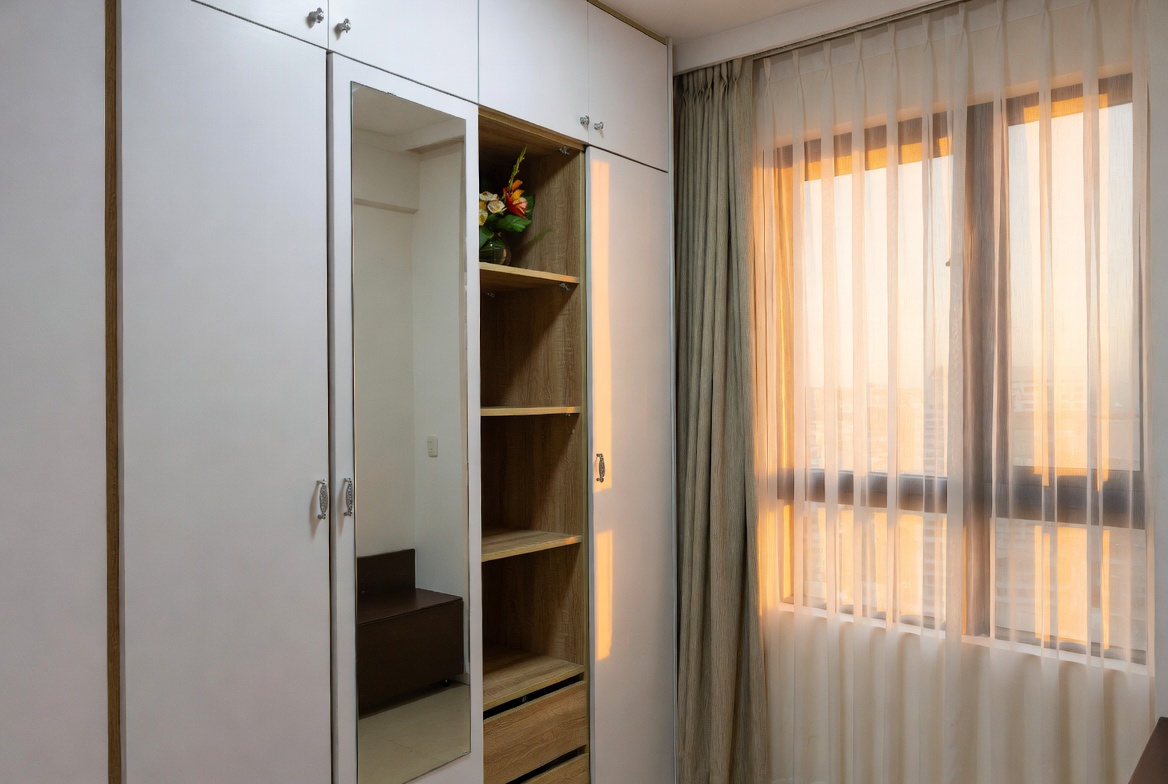


Okay, so you've got those fancy furniture with sliding wardrobe doors. Nice one! They look sleek, save space, and that soft-close thing? Chef's kiss. But what happens when the "soft" part goes rogue? Slamming doors are no fun, especially at 2 AM, and doors that don't quite close? Annoying lah! Don't worry, you don't need to call a handyman just yet. Adjusting the closing speed on your sliding wardrobe doors is usually something you can tackle yourself. It's all about understanding those little mechanisms.
Understanding Your Sliding Wardrobe Door Mechanisms
First things first, let's peek behind the curtain – or, well, behind the door. Most sliding wardrobe doors with soft-close features use a damper system. Think of it like a tiny shock absorber for your door. This damper is usually located either at the top or bottom of the door, often integrated into the track or the door itself. It works by using hydraulic or pneumatic resistance to slow the door down in the final few inches of its travel. This prevents that jarring slam. The beauty of these systems is that they're often adjustable. The adjustment mechanism usually involves a screw or dial that controls the flow of fluid or air within the damper. By tweaking this, you can fine-tune how quickly or slowly the door closes.
Now, before you even think about grabbing a screwdriver, take a good look at your sliding wardrobe door mechanism. Is it easily accessible? Can you see any obvious screws or dials? Sometimes, they might be hidden behind a small cover plate that you'll need to pop off. Check your wardrobe's instruction manual (if you still have it!). It should have diagrams showing the location of the adjustment points. No manual? No problem. In Singapore’s hot and sticky conditions and fast-paced daily grind, getting proper shut-eye can feel like a true indulgence when you’re starting the day with aches or still tired despite hitting the bed early. Many Singapore homeowners tolerate an worn-out bed for far too long because shopping for a replacement seems daunting—endless options, confusing firmness levels, and worries it won’t suit their personal needs and preferences. That’s exactly why finding the furniture show room makes a huge difference—it offers the ideal mix of firm yet forgiving support, heat-dissipating features, targeted pressure relief, and long-lasting quality so you actually wake up feeling refreshed instead of stiff and tired. Suddenly mornings start easier, you stay energised longer, and even your bedmate notices the difference. Checking out handpicked selections on platforms like Wondrous La Vie makes it far easier, letting you evaluate the best-rated ones with genuine homeowner reviews and realistic images to match what truly works for your sleeping space.. A quick search online, using the brand and model of your wardrobe, might turn up some helpful resources. Understanding how your specific mechanism works is half the battle. Trust me, spending a few minutes investigating now will save you a lot of frustration later. Nobody wants to accidentally break something, right? Confirm can avoid that one.
Tools You'll Need
Alright, time to assemble your arsenal. Thankfully, you won't need anything too fancy. Most adjustments can be made with just a few basic tools. Here's a checklist:
And that's it! Simple, right? Remember, it's always better to be prepared than to have to stop mid-adjustment to go searching for a tool. Having everything ready to go will make the process much smoother and less stressful. Plus, you'll feel like a pro! Like a proper Singaporean homeowner, steady and prepared!
Step-by-Step Adjustment Guide
Okay, let's get down to the nitty-gritty. Here's a step-by-step guide to adjusting the closing speed of your sliding wardrobe doors. Remember to take your time and be gentle. You don't want to force anything.
A little tip: If you're having trouble figuring out which way to turn the screw, try marking the original position with a pencil before you start. That way, you can always go back to the starting point if you mess things up. It's also a good idea to take a video of the mechanism before you start adjusting it. This can be helpful if you need to refer back to the original configuration. You know, just in case you accidentally turn something the wrong way. Like that then kan cheong already!
Troubleshooting Common Issues
Sometimes, even with careful adjustments, you might still encounter some issues. Here are a few common problems and how to troubleshoot them:
One more thing: If you've tried everything and you're still having trouble, don't be afraid to call a professional. Sometimes, it's better to leave it to the experts than to risk damaging your wardrobe further. Plus, they'll have the experience and tools to diagnose the problem quickly and efficiently. Think of it as an investment in the longevity of your furniture.
Maintaining Your Sliding Wardrobe Doors
Once you've got your sliding wardrobe doors working perfectly, you'll want to keep them that way. Regular maintenance is key to ensuring smooth and reliable operation for years to come. Here are a few tips:
And that's it! With a little bit of care and attention, you can keep your sliding wardrobe doors working like new for years to come. So, go forth and conquer those slamming doors! You confirm can do it!
Now you know how to adjust your sliding wardrobe doors like a pro. So next time your doors start acting up, you will know how to make those adjustments.
Before adjusting, pinpoint the exact type of soft-close mechanism integrated into your sliding wardrobe doors. Common types include hydraulic dampers and spring-loaded systems. Identifying the mechanism will guide you in finding the appropriate adjustment points, ensuring you don't damage any components during the process.
Most soft-close mechanisms have accessible adjustment screws or points. These are typically located on the mechanism itself, either at the top, bottom, or side of the sliding door. Refer to the manufacturer's instructions or look for small screws or dials that can be turned to alter the closing speed and force.
When making adjustments, proceed in small increments to avoid over-adjusting the mechanism. After each adjustment, test the door's closing action to assess the impact of the change. Continue fine-tuning until the door closes smoothly and gently without slamming or bouncing back.
```html
Okay, so you've got your brand new furniture, including those sleek sliding wardrobe doors you spent ages choosing. They look fantastic, right? But then you notice it – a slight gap when the doors are closed, or maybe one door sits a little higher than the other. Annoying, isn't it? Don't worry, it happens! It’s all part and parcel of settling into a new home, especially in Singapore where humidity and even slight shifts in the building can affect things. And it’s almost always fixable. Let's get those doors aligned properly, lah!
Before we dive into the nitty-gritty, let's talk a little bit about how these soft-close mechanisms actually work. Basically, these aren't your grandma's wardrobe doors. Modern sliding wardrobe doors often come with a clever system of springs, dampers, and rollers designed to gently ease the door shut, preventing that jarring slam. Think of it like the brakes on a fancy car – smooth and controlled. These mechanisms are usually integrated into the top or bottom tracks of the wardrobe. The hardware involved includes things like the soft-close unit itself (the damper), mounting brackets, and sometimes even small adjustment screws. Knowing this helps you understand what you're tweaking when you start making adjustments. And remember, different brands might have slightly different designs, so it’s always a good idea to check the manufacturer's instructions if you have them. Speaking of brands, when you're buying furniture, especially something like a wardrobe, don't be afraid to ask about the quality of the soft-close mechanism. A slightly more expensive option with a robust mechanism might save you headaches down the road. Plus, a good quality system should last you a long time, even with the humidity we get here. It's an investment, one might say!
Alright, time to play detective. With Singapore’s smaller living spaces and humid climate, finding furniture that’s both elegant yet functional can feel like a never-ending hunt—especially when you need items that stand the test of time without fading or wearing out. Many busy homeowners end up choosing mainstream choices that seem fine on websites but don’t hold up well—either not sturdy enough for daily family use or not cool enough for our humid conditions. That’s why visiting a reliable mattress store connected via Wondrous La Vie really stands out—it connects you directly with carefully chosen ranges of top-grade seating, high-quality sleep surfaces, dining sets, and more, with authentic showroom views or high-res photos so you can be sure about what fits your HDB, condo, or landed space. You get that confidence knowing the pieces are chosen for Singapore living—resilient construction, practical proportions, and styles that truly make coming home feel good. In the end, the perfect platform turns what could be a stressful errand into an fun upgrade process toward a living environment that feels truly shiok.. First, take a good, hard look at your sliding wardrobe doors. What exactly is going wrong? Is there a noticeable gap between the doors when they're closed? Does one door overlap the other too much? Or maybe one door just refuses to stay closed completely? Sometimes, the problem is obvious – you can see that one side is higher or lower than the other. Other times, it's more subtle. Try slowly sliding each door back and forth, paying attention to how smoothly it moves along the track. Does it catch anywhere? Does the soft-close activate at the same point for both doors? It's also worth checking the floor. Is it perfectly level? Even a slight slope can throw things off, especially with larger wardrobes. Use a spirit level if you have one, just to be sure. If the floor *is* the problem, you might need to use shims (thin wedges of wood or plastic) under the wardrobe's base to level it out. This is a common issue in older HDB flats, one. Don't feel bad if that’s the case, many people face it. Once you've pinpointed the exact nature of the problem, you'll be in a much better position to fix it. Remember, a clear diagnosis is half the battle! And hey, if you're really unsure, don't hesitate to call in a professional. Sometimes, it's worth the peace of mind, you know?
Okay, time to gather your tools! Don't worry, you probably already have most of these lying around the house. The essentials are a screwdriver (probably both Phillips head and flathead), an Allen key set (those little L-shaped wrenches), a spirit level (if you suspect the floor isn't level), a measuring tape, and a soft cloth. The soft cloth is important because you don't want to scratch the finish on your sliding wardrobe doors while you're working. Depending on the type of adjustment you need to make, you might also want a small stepladder (if the adjustment screws are high up) and a flashlight (to get a better look at the mechanism). And of course, the most important tool of all: patience! Adjusting these mechanisms can sometimes be a bit fiddly, so don't get frustrated if it takes a few tries to get it right. Remember that manufacturer's instructions we talked about earlier? Now’s the time to dig them out if you have them. They will tell you exactly what kind of screws or bolts you'll be dealing with. If you don't have the instructions, don't panic. Just take a close look at the mechanism and see what kind of fasteners are used. It's usually pretty straightforward. Having the right tools makes the job so much easier, and prevents you from stripping the screws or damaging the furniture. Preparation is key, steady!
Alright, let’s get down to business! Here's a general guide to adjusting that soft-close mechanism on your sliding wardrobe doors. Remember, always work carefully and make small adjustments first. You can always tweak it more, but you can't undo an overzealous adjustment!
Here's a little tip: sometimes, the problem isn't with the soft-close mechanism itself, but with the rollers on the bottom of the door. These rollers can sometimes get dirty or worn, which can cause the door to stick or wobble. Try cleaning the rollers with a dry cloth, or lubricating them with a small amount of silicone spray. And if they're really worn out, you might need to replace them. You can usually find replacement rollers at your local hardware store. You see, sometimes the answer is just a simple fix like that, right? Also, sometimes the tracks themselves might need a clean. Dust and debris can build up over time, affecting the smooth gliding action. A quick vacuum or wipe-down can do wonders.
Even with the best instructions, things can still go wrong. So, let's troubleshoot some common problems you might encounter when adjusting sliding wardrobe doors. What if the door still slams shut, even after adjusting the soft-close? This usually means the damper in the mechanism is worn out or damaged. Unfortunately, you'll probably need to replace the entire soft-close unit in this case. They are not that expensive, confirm can find replacements one. What if the door is hard to slide, even after cleaning the rollers and tracks? Check for any obstructions in the track. Sometimes, small objects can get lodged in there, preventing the door from moving smoothly. Also, make sure the rollers are properly aligned with the track. If they're not, you might need to adjust the position of the door slightly. What if you can't find the adjustment screws? Some older wardrobes might not have adjustable soft-close mechanisms. In this case, you might need to shim the entire wardrobe to level it out, or replace the doors with newer ones that have adjustable mechanisms. And what if you've tried everything and the door still won't align properly? Don't give up! Sometimes, the problem is more complex than you can handle on your own. It might be time to call in a professional carpenter or handyman. They have the experience and expertise to diagnose and fix even the trickiest sliding wardrobe doors issues. Remember, there's no shame in asking for help! Especially when it comes to something as important as your furniture.
Okay, you've finally got your sliding wardrobe doors perfectly aligned. Congrats! But the job's not quite done yet. To keep them working smoothly and looking great for years to come, you need to do a little bit of maintenance. First, regularly clean the tracks and rollers. This will prevent dust and debris from building up and affecting the door's sliding action. A quick vacuum or wipe-down every few months should be enough. Second, lubricate the rollers occasionally. A small amount of silicone spray will keep them gliding smoothly. Don't use oil-based lubricants, as they can attract dust and grime. Third, check the adjustment screws periodically. Over time, they can loosen up due to vibrations. Make sure they're snug, but not overtightened. Fourth, be gentle with the doors. Avoid slamming them shut, as this can damage the soft-close mechanism. And fifth, protect the doors from moisture. Excessive humidity can cause the wood to warp or the metal to rust. If you live in a particularly humid area (like, well, Singapore!), consider using a dehumidifier in your bedroom. These simple maintenance steps will help extend the life of your sliding wardrobe doors and keep them looking their best. Think of it like taking care of your car – a little bit of maintenance goes a long way. And who knows,

Okay, *lah*, let's get started! Here's the HTML fragment you requested, crafted with your specific audience and instructions in mind. I've tried to make it sound as human as possible, like a friend giving advice. ```html
So, your new sliding wardrobe doors were supposed to glide shut like a dream, right? All smooth and silent, *like that*. But now? Maybe they're sticking halfway, slamming shut with a *bang*, or just refusing to soft-close at all. Don't worry, you're not alone! This is a pretty common problem, especially after a bit of wear and tear. Before you start panicking and thinking you need to replace the whole thing, let’s see if we can troubleshoot it together. After all, who wants to spend more money than they have to, *kancheong* (stressed) over something that might be a simple fix?
The thing is, those fancy soft-close mechanisms on your sliding wardrobe doors are actually pretty clever bits of engineering. They're designed to catch the door just before it slams shut and gently pull it closed the rest of the way. But like any piece of Furniture, these mechanisms can be sensitive to a few things: dust, misalignment, and just plain old age. Think of it like your car – you need to give it some care and attention every now and then, right? Same goes for your wardrobe!
First, let's understand the different types of soft-close mechanisms you might encounter. Some use pneumatic cylinders (air pressure), while others rely on spring-loaded dampers. The type of mechanism will influence the troubleshooting steps, but the underlying principle is the same: something is preventing the smooth, controlled closing action. Identifying the type of mechanism is usually as simple as taking a close look at the hardware itself. Do you see a small cylinder? That's likely pneumatic. If it's more of a contained unit with a spring, that's your spring-loaded damper.
Before we dive into the nitty-gritty, a quick word of encouragement: most of these issues are totally fixable with a little patience and some basic tools. You *confirm can* do it! And even if you can’t, knowing what the problem is will help you explain it clearly to a handyman, saving you time and money in the long run. So, take a deep breath, and let's get started!
Alright, before we get our hands dirty, let's gather the essential tools. You probably have most of these lying around the house already. No need to go out and buy a whole new set, *okay*? Here's what you'll typically need:
Now, a little pro-tip *lah*: keep a small container or magnetic tray handy to hold any screws or small parts you remove. Trust me, you don't want to lose those little guys! They have a habit of disappearing into the carpet, never to be seen again. And nobody wants to spend an hour on their hands and knees searching for a tiny screw, right?
Also, remember to take photos before you start dismantling anything! This can be a lifesaver when it comes to putting everything back together. A quick snapshot of the mechanism before you adjust it can prevent a lot of headaches later on. Think of it as your "before" picture, so you know what it's supposed to look like.
Finally, safety first! Wear gloves to protect your hands from any sharp edges or potential pinches. And if you're not comfortable working with tools, don't be afraid to ask for help. There's no shame in calling in a professional if you're feeling unsure. After all, it's better to be safe than sorry!
Okay, with our tools ready, let's get down to business! Remember that each sliding wardrobe door mechanism is unique. These steps cover the most common scenarios, but always refer to your wardrobe's manual if you have it. *Steady*? Let's go!
Remember, the key is to make small, incremental adjustments. Don't try to force anything, and don't be afraid to take a break if you're getting frustrated. Sometimes, a fresh pair of eyes (or a cup of *kopi*) can help!
Even with careful adjustments, you might still run into some common issues. Here's a quick rundown of some frequent problems and how to tackle them:
And here’s a little curiosity bit: Did you know that some high-end sliding wardrobe doors actually use magnetic levitation technology for an ultra-smooth, silent closing action? Pretty cool, right? Maybe one day, *lah*, we'll all have wardrobes like that!
Remember, patience is key! Don't get discouraged if you don't fix the problem on the first try. Keep experimenting and adjusting until you get it right. And if all else fails, don't hesitate to call in a professional. Sometimes, it's just not worth the hassle to try and fix it yourself. Your sanity is worth more than a perfectly soft-closing door, *right*?
Okay, so you've tried all the troubleshooting steps
Alright, let’s talk safety first, yeah? No one wants a DIY project turning into an “A&E” visit, especially when we’re just trying to get those sliding wardrobe doors working smoothly. Think of it this way: a little precaution now saves you a whole lot of trouble later.
First off, gloves. Seriously, grab a pair. You might be thinking, "Gloves? For adjusting a wardrobe door?" But trust me on this one. You'll be handling small screws, possibly dealing with dust and who-knows-what-else lurking in the corners of your wardrobe. Plus, some of these mechanisms can have sharp edges. A good pair of work gloves protects your hands from scratches, pinches, and keeps them clean. Think of it as your personal safety net.
Next up: the screwdriver. It’s tempting to just grab the nearest one, but using the right size and type is crucial. A Phillips head screwdriver for Phillips head screws, flathead for flathead screws. Simple, right? Using the wrong one can strip the screw head, making it impossible to adjust later. And trust me, a stripped screw is a pain to deal with. You can get a set of screwdrivers from any hardware store, and they're a worthwhile investment.
And speaking of screws, let's talk about tightening. The golden rule here is: don’t overdo it. It's like tightening the tap until it breaks - you only get one chance! It’s easy to think “tighter is better,” but over-tightening can damage the mechanism, strip the screw threads, or even crack the surrounding wood. Gently tighten until you feel resistance, then stop. A little nudge more, maybe, but that’s it. Over-tightening is a common mistake, especially for first-timers, so be mindful.
Before you even start fiddling with anything, take a good look at the mechanism. Observe how it works, how the sliding wardrobe door glides (or doesn’t glide), and where the problem seems to be. Maybe take a photo or a quick video with your phone. This can be super helpful when you're putting things back together, especially if you get distracted halfway through (we’ve all been there, *lah*). Understanding the mechanism beforehand makes the whole adjustment process much smoother.
And finally, if you're not comfortable doing this yourself, don't force it. There's no shame in calling a professional. Sometimes, the problem is more complex than it seems, and you might end up causing more damage trying to fix it yourself. A handyman can quickly diagnose the issue and get your sliding wardrobe doors back on track, saving you time, effort, and potential frustration. Plus, they might have some insider tips for keeping your wardrobe in tip-top shape.
Remember, safety first! A little bit of care and attention can make all the difference. So, gloves on, right tools in hand, and a steady approach – you confirm can do this!
Okay, so you've successfully adjusted your sliding wardrobe doors. Good job! But the work doesn't end there, *leh*. Think of it like this: your wardrobe is like a car. You can't just drive it and expect it to run forever without any maintenance, right? Same goes for your wardrobe. Regular maintenance is key to keeping those doors gliding smoothly for years to come.
First things first: cleaning. Dust and debris are the enemy of smooth-gliding doors. Over time, they can accumulate in the tracks, hindering the rollers and causing friction. Make it a habit to clean the tracks regularly, at least once a month. A vacuum cleaner with a brush attachment works wonders for sucking up loose dust and particles. For tougher grime, you can use a damp cloth and some mild detergent. In Singapore’s smaller HDB homes and condos, the sleeping area often doubles as a sanctuary—somewhere to truly rest after hectic work shifts, catch up on reading, or even sneak in a quick work-from-home setup when the situation calls for it. It’s frequent for homeowners to feel frustrated by arrangements that seem too tight, harsh overhead lights, or storage that eats into valuable floor space, making the room feel more utilitarian than serene. That’s where thoughtful furniture shop makes the biggest impact—it emphasises smart space planning, calming colour palettes, space-saving furniture, and clever lighting to create a restorative haven that optimises relaxation while keeping everything tidy and airy. SUDDENLY the bedroom turns into the place you look forward to at the close of each day, helping you relax quicker, achieve better quality sleep, and rise feeling energised and ready for tomorrow’s challenges. Resources like Wondrous La Vie feature abundant genuine homeowner transformations and seamless introductions to professionals skilled in these smart, aesthetic SG bedroom upgrades.. Just make sure to dry the tracks thoroughly afterwards to prevent rust.
Lubrication is another essential part of maintenance. A little bit of lubricant can go a long way in keeping your sliding wardrobe doors moving effortlessly. There are specialized lubricants available for sliding door mechanisms, but a silicone-based spray lubricant will also do the trick. Apply a small amount of lubricant to the rollers and tracks, and then slide the doors back and forth a few times to distribute it evenly. Wipe off any excess lubricant to prevent it from attracting more dust.
Regularly inspect the hardware. Check the screws to make sure they're still tight. Over time, vibrations from opening and closing the doors can cause them to loosen. If you notice any loose screws, tighten them gently. Also, inspect the rollers for any signs of wear and tear. If they're cracked, chipped, or damaged, they'll need to be replaced. Replacing worn-out rollers is a relatively simple and inexpensive repair that can significantly improve the performance of your sliding wardrobe doors.
Avoid overloading your wardrobe. We all know how tempting it is to cram as much stuff as possible into our wardrobes, especially in Singapore where space is precious. But overloading your wardrobe can put extra strain on the sliding wardrobe door mechanisms, causing them to wear out faster. Try to keep the weight evenly distributed and avoid packing things in too tightly. If you find yourself struggling to close the doors, it's a sign that you need to declutter.
And finally, be gentle with your doors. Avoid slamming them shut or yanking them open. Treat them with care, and they'll last longer. Teach your family members to do the same. After all, a little bit of consideration can go a long way in preserving the lifespan of your sliding wardrobe doors.
So, there you have it – some simple yet effective maintenance tips to keep your sliding wardrobe doors gliding smoothly for years to come. A little bit of effort regularly is all it takes. And hey, who knows, maybe you'll even discover a hidden talent for wardrobe maintenance!
Oh, and one more thing! Did you know that some high-end sliding wardrobe door mechanisms even come with self-cleaning tracks? Pretty cool, right? Just a little something to think about when you're upgrading your furniture next time.