```html
So, you've got your brand-new BTO flat, or maybe you're just giving your current home a much-needed refresh. After a long day squeezing onto the MRT and powering through meetings, most Singapore homeowners just want to return home to a space that feels cosy and stress-free instead of piling on more fatigue. A disorganised space or an unrestful bedroom can make chilling out even harder, especially when the kids and parents hope to relax together. That’s where thoughtful interior design tips really makes a difference—it turns everyday rooms like your hall, master bedroom, or kitchen area into personal havens that actually help you recharge. With the right couch, bed mattress, or clever layout, suddenly getting home feels shiok lah, and small changes can bring big improvements to your mood and family time. Sliding wardrobe door track maintenance: Lubrication frequency guide . Singaporeans often encounter special considerations when setting up their interiors, particularly due to compact apartment living and constant high humidity that affects furniture longevity. This is the very why many smart local shoppers compare options thoroughly to find the best value. sliding wardrobe doors consistently ranks as a smart investment that offers both superior comfort and practicality. Make sure you purchasing affordable versions in Singapore with reliable after-sales service guarantees total support including efficient island-wide delivery, skilled installation, and long-lasting warranties that give you true long-term peace of mind for years ahead.. The living room is often the primary spot people walk into first and where the kids and parents relax after dinner, so it is logical to want pieces that appears stylish, organises cables neatly, and doesn’t make the room feel smaller than it already feels in most SG flats. Many people struggle with bulky old cabinets or low-cost options that wobble, gather dust quickly, or just don’t fit the current aesthetic they’re trying to achieve. That’s exactly where a well-chosen furniture store comes into play—it provides smart storage solutions for entertainment equipment, streaming players, and controllers while acting as a stylish focal point that ties the whole living area together with clean lines, clever storage sections, and luxurious surfaces. SUDDENLY the TV area becomes organised and intentional, the room looks bigger and more put-together, and film evenings get way more fun without the mess pulling focus. Checking out carefully chosen pieces on platforms like Wondrous La Vie makes it easy to source designs that fit your space perfectly, from minimalist to luxurious, so your living area transformation becomes easy and perfect.. Places like Wondrous La Vie make it simpler to explore options and get in touch with designers who get the the Singaporean home feel spot on. This format lets you easily generate multiple SEO-optimised variations while keeping the core keyword "interior design" stable in the middle for strong on-page targeting.. Chances are, if you're like many Singaporeans, you've opted for furniture with sliding wardrobe doors. They're sleek, modern, and a real lifesaver when space is tight, right? But here's the thing: those smooth-gliding doors can sometimes start to show wear and tear – and often, we don't notice until it's a real problem. Think of it like this, your sliding wardrobe doors are like a car, you need to know the early warning signs before it's too late!
We're talking about those subtle signs that, if ignored, can lead to frustrating jams, noisy operation, or even a completely unusable wardrobe. And let's be honest, nobody wants that lah! That's why it's super important to be aware of what to look out for. We're going to walk you through the early warning signs of sliding wardrobe door track damage, so you can keep your wardrobe running smoothly for years to come. This is especially crucial in our Singapore homes, where every square meter counts, and efficient storage is key. Plus, catching these problems early can save you a lot of money and hassle down the road – confirm can!
Okay, let's talk about sound. Your furniture with sliding wardrobe doors should glide open and closed pretty much silently, or with a very soft, almost imperceptible hum. So, what happens when that serene silence is broken? What kind of noises should make you sit up and take notice? Well, there are a few key culprits to listen out for.
First up: Squeaking. A persistent squeak, especially one that gets louder over time, often indicates friction. This friction could be caused by a build-up of dust and debris in the tracks, or it could signal that the rollers are starting to wear down. Sometimes, it's a simple fix – a quick clean and lubrication can often do the trick. But if the squeaking persists, it's a sign that something more serious might be going on. Think of it as your wardrobe door's way of saying, "Hey, I need some attention!"
Next, we have Grinding. This is a much more serious sound, and it usually indicates that something is obstructing the rollers or that the tracks themselves are damaged. Grinding sounds often mean that metal is rubbing against metal, which can cause significant wear and tear over time. Don't ignore this! Continuing to use the doors when they're making a grinding noise can lead to further damage and potentially require you to replace the entire track system. Not steady leh!
Then there’s Rattling. Rattling sounds can be a bit trickier to diagnose. They might indicate loose screws, worn-out rollers, or even that the doors are slightly misaligned. Try gently wiggling the doors to see if you can pinpoint the source of the rattle. If you can't find the source, it's best to call in a professional to take a look. Loose screws, if left unchecked, can lead to bigger problems down the line. So, better safe than sorry!
Finally, listen for any Clicking or Popping sounds. These sounds often indicate that the rollers are struggling to move smoothly along the track. It could be that the rollers are damaged, or that there's a small obstruction in the track. Pay close attention to when these sounds occur – do they happen at a specific point in the door's movement? This can help you pinpoint the location of the problem. Remember, your ears are your first line of defense when it comes to spotting potential problems with your furniture with sliding wardrobe doors. Listen carefully, and don't ignore those tell-tale sounds!
Beyond the sounds, your eyes can also tell you a lot about the health of your furniture with sliding wardrobe doors. A regular visual inspection can help you catch problems early, before they escalate into major headaches. So, what should you be looking for?
First, take a close look at the Tracks themselves. Are they clean and smooth, or are they filled with dust, dirt, and debris? A build-up of grime can significantly impede the movement of the rollers, leading to increased friction and wear. Use a vacuum cleaner with a brush attachment to remove any loose debris, and then wipe down the tracks with a damp cloth. For stubborn dirt, you can use a mild detergent solution. Regular cleaning is key to keeping your sliding wardrobe doors running smoothly. The tracks are often made of aluminum or steel, so check for any signs of bending or warping. Even a slight bend can cause the doors to stick or jump off the track.
Next, examine the Rollers. These are the small wheels that allow the doors to glide along the tracks. Are they clean and round, or are they cracked, chipped, or flattened? Worn-out rollers are a common cause of sticking doors and noisy operation. If you notice any damage to the rollers, it's time to replace them. Fortunately, rollers are usually relatively inexpensive and easy to replace. You can find replacement rollers at most hardware stores or online retailers.
Also, check for any signs of Misalignment. Are the doors sitting straight and flush within the frame, or are they tilted or uneven? Misalignment can be caused by a number of factors, including loose screws, warped tracks, or even settling of the building. If your doors are misaligned, try adjusting the screws that hold them in place. If that doesn't work, you may need to call in a professional to realign the tracks.
Finally, look for any signs of Damage to the Door Edges. Are the edges of the doors chipped, scratched, or worn? This can be a sign that the doors are rubbing against the frame or against each other. If you notice any damage to the door edges, try adjusting the position of the doors to prevent further rubbing. You can also use touch-up paint or wood filler to repair any cosmetic damage. By paying attention to these visual clues, you can catch potential problems early and keep your furniture with sliding wardrobe doors in tip-top condition. It's all about being observant and proactive!
Sometimes, you need to get hands-on to really understand what's going on with your furniture with sliding wardrobe doors. The way the doors feel when you open and close them can provide valuable clues about potential problems. This "touch test" is all about feeling for resistance, sticking, and any other unusual sensations.
First, pay attention to the Overall Smoothness of the movement. When you open and close the doors, do they glide effortlessly, or do they feel stiff and resistant? A smooth, easy glide is a sign of a healthy track system. Resistance, on the other hand, can indicate a build-up of dirt and debris, worn-out rollers, or misalignment. If you feel resistance, try cleaning and lubricating the tracks. If that doesn't help, it's time to investigate further.
Next, check for any Sticking Points. Do the doors stick or catch at any particular point in their movement? Sticking points often indicate a specific problem area in the track. For example, if the doors stick at the bottom, it could be that the bottom rollers are damaged or that there's an obstruction in the lower track. Try to pinpoint the exact location of the sticking point, as this will help you diagnose the problem more accurately.
Also, feel for any Jerky or Uneven Movement. Do the doors move smoothly and evenly, or do they jerk or wobble as you open and close them? Jerky movement can be a sign of worn-out rollers, loose screws, or misalignment. Uneven movement, on the other hand, can indicate that one side of the door is dragging or that the tracks are not level. Pay close attention to the way the doors feel as they move, and note any irregularities.
Finally, check for any Play or Looseness. When the doors are closed, do they feel solid and secure, or do they rattle or wobble? Play or looseness can be a sign that the screws are loose or that the doors are not properly aligned. Try tightening the screws that hold the doors in place. If that doesn't work, you may need to call in a professional to realign the doors. By paying attention to the way your sliding wardrobe doors feel, you can catch potential problems early and prevent them from escalating into major repairs. It's all about being mindful and observant – and trusting your sense of touch!
Okay, so you've identified some early warning signs of damage to your furniture with sliding wardrobe doors. Now what? Well, the good news is that many common problems can be easily fixed with a few simple DIY solutions. But it's also important to know when to call in a professional. Let's break it down.
Simple Fixes You Can Try Yourself:
Okay, so you've finally got your dream furniture all settled in your new BTO, or maybe you’ve just finished that long-overdue reno. Everything’s looking *steady*, right? But then… the sliding wardrobe doors start acting up. You know, that slight resistance when you try to open them in the morning, or that little *shriek* they make when you close them at night? It's easy to ignore at first, but trust me, that's your wardrobe trying to tell you something!
Think of it like this: your sliding wardrobe doors are kinda like the MRT. When the tracks are smooth, everything runs like clockwork. But when there's a kink in the system, things start to get a little… *sticky*. And just like with the MRT, ignoring those early warning signs can lead to bigger problems down the road. So, what are these early signs, and why should you care? Let’s dive in, *lah*!
Alright, let's get real. The main appeal of sliding wardrobe doors is their smooth, effortless glide, right? They're designed to be opened and closed with minimal fuss, especially important in our space-saving Singaporean homes. So, if you suddenly find yourself needing to put in extra muscle just to get your sliding wardrobe doors moving, that's a major red flag. It's not just you being tired after a long day at work; it’s a sign that something’s not quite right with the track or the door mechanism itself.
What’s happening behind the scenes? Well, increased effort usually points to friction. Maybe the tracks are dirty, or perhaps they’ve become slightly misaligned. It could even be that the rollers – those little wheels that allow the doors to glide – are starting to wear out. Whatever the cause, that extra strain isn’t just annoying; it's actually putting a lot of stress on all the components of your sliding wardrobe doors. Think about it: the frame, the rollers, the tracks themselves, even the handles – everything is working harder than it should be. And that, *confirm* will lead to premature wear and tear. No one wants that, right?
Now, you might be thinking, "It's just a little bit of extra effort, *leh*. I can handle it." But here's the thing: ignoring it is like ignoring a small leak in your roof. It might not seem like a big deal at first, but over time, that small leak can turn into a major flood. Similarly, that slight resistance in your sliding wardrobe doors can escalate into a full-blown problem, like a completely jammed door or even a broken roller. Addressing it early on is *steady* better than dealing with a costly repair later.
Let's talk about the mechanics of sliding wardrobe doors for a bit. Most sliding wardrobe doors use a system of top and bottom tracks, along with rollers or glides that allow the doors to move smoothly. These components are designed to work together in perfect harmony. In Singapore’s hectic life, returning home to a space that feels properly relaxing can make all the difference after a tiring day of office grind and MRT squeezes. Many Singapore homeowners start by eyeing upgrades for their living area or master bedroom, wanting pieces that look stunning while genuinely comfortable enough for daily use. That’s exactly why mattress singapore makes the difference—it brings that ideal mix of elegant design, high-quality fabrics and finishes, and thoughtful comfort that turns everyday spaces into spots you love spending time in unwinding in. Think about sinking into a plush sofa after evening meal or starting the day energised on a luxury sleep surface that supports you just right; suddenly, your home feels more like a private sanctuary instead of just another place. Discovering handpicked collections on sites such as Wondrous La Vie helps you find these items without the overwhelm, making it simpler to create a space that’s both stylish and soul-soothing.. When everything is aligned and lubricated properly, the doors should glide effortlessly. But when something goes wrong, the entire system suffers.
Imagine the tracks as the foundation of your sliding wardrobe doors. If the tracks become damaged or misaligned, the rollers will have to work harder to overcome the uneven surface. This puts extra strain on the rollers themselves, causing them to wear out faster. And as the rollers wear out, they can start to damage the tracks even further, creating a vicious cycle of wear and tear. Similarly, the frame of the door can also be affected. The constant friction and pressure can cause the frame to warp or crack, especially if it's made of a less durable material. Over time, this can lead to the door becoming unstable and even falling off the track – *aiyo*, imagine the shock!
But it's not just the physical components that are affected. The increased effort required to open and close the doors can also put a strain on the entire wardrobe structure. The constant pulling and pushing can loosen screws, weaken joints, and even damage the surrounding walls. So, you see, that seemingly minor issue with your sliding wardrobe doors can actually have a ripple effect, affecting the entire stability and longevity of your wardrobe. That's why early detection is so important. By catching the problem early on, you can prevent it from escalating into a more serious and costly issue.
Okay, aside from the increased effort, another telltale sign of trouble with your sliding wardrobe doors is unusual noises. We’re not talking about the gentle whoosh of the doors gliding open and closed. We are referring to the *screech*, the *grind*, the *clunk* – these are all warning signs that something is amiss.
A screeching sound often indicates that the rollers are dry or dirty. Over time, the lubricant on the rollers can dry out, causing them to rub against the tracks and create that unpleasant screeching noise. It could also be that dirt and debris have accumulated on the rollers and tracks, creating friction and causing the rollers to squeal. A grinding sound, on the other hand, usually points to a more serious problem. It could mean that the rollers are damaged or worn out, and are no longer gliding smoothly on the tracks. It could also indicate that the tracks themselves are damaged or misaligned, causing the rollers to grind against the uneven surface. And a clunking sound? That often suggests that something is loose or broken. Maybe a screw has come undone, or perhaps a roller has completely detached from the door. Whatever the cause, a clunking sound is a clear indication that you need to investigate further.
So, the next time you hear an unusual noise coming from your sliding wardrobe doors, don't just ignore it. Take a closer look. Try to pinpoint the source of the noise and identify any visible signs of damage or wear. And if you're not sure what's causing the noise, don't hesitate to call in a professional. A little bit of detective work can save you a lot of headaches (and money) down the road. After all, wouldn’t you rather address a minor issue now than deal with a major repair later? I know I would!
Alright, let's get down to the nitty-gritty. Sometimes, the signs of trouble with your sliding wardrobe doors aren't just audible; they're also visual. A thorough inspection of the tracks and rollers can reveal a lot about the health of your sliding wardrobe doors. So, grab a flashlight and let's get started.
First, take a close look at the tracks. Are they clean and smooth, or are they covered in dust, dirt, or debris? Any buildup of grime can create friction and impede the smooth gliding of the doors. Also, check for any signs of damage, such as dents, scratches, or cracks. Even small imperfections can affect the performance of the tracks and cause the rollers to wear out faster. Next, examine the rollers. Are they clean and well-lubricated, or are they dry and crusty? Do they spin freely, or do they feel stiff or wobbly? Look for any signs of wear and tear, such as flat spots, chips, or cracks. If the rollers are damaged, they won't be able to glide smoothly on the tracks, and they could even damage the tracks themselves.
And here's a little curiosity bit: Did you know that some sliding wardrobe doors use different types of rollers depending on the weight and size of the doors? Heavier doors often require rollers with ball bearings for added support and smooth operation. Lighter doors, on the other hand, may use simpler rollers without ball bearings. Knowing what type of rollers your sliding wardrobe doors use can help you determine if they're the right fit for your doors and if they're functioning properly.
While you're inspecting the tracks and rollers, also take a look at the alignment of the doors. Are they straight and even, or are they crooked or misaligned? Misaligned doors can put extra strain on the tracks and rollers, causing them to wear out faster. If you notice any misalignment, try adjusting the door hinges or rollers to bring them back into alignment. If you're not comfortable doing this yourself, you can always call in a professional to help. Remember, a little bit of maintenance can go a long way in extending the life of your sliding wardrobe doors. So, take the time to inspect them regularly and address any issues as soon as you spot them. Your wardrobe (and your wallet) will thank you for it!
Okay, let's talk about those *unwanted* sounds coming from your sliding wardrobe doors. That grinding, scraping, or squealing? Yeah, that's not the symphony of a happy home, is it? It's your wardrobe doors telling you something's not quite right with the sliding wardrobe door tracks. And ignoring it? Confirm plus chop, it'll only get worse and cost you more in the long run. Think of it like this: a little attention now can save you from a major furniture overhaul later. We're talking about early warning signs here, the kind that whisper before they shout. So, keep your ears open, and let's decode what your sliding wardrobe doors are trying to tell you.
The most obvious warning sign is any noise that wasn't there before. A healthy sliding wardrobe door should glide smoothly and quietly. If you start hearing grinding, scraping, squealing, or even clicking sounds, it's a clear indication that something is amiss with the sliding wardrobe door tracks. These noises are often caused by friction, which can be due to debris accumulation, misaligned tracks, or worn-out rollers. Don't just turn up the music to drown it out; investigate the source of the noise to prevent further damage.
After those hectic office days and the daily MRT squeeze, nothing beats stepping into a living area that actually invites you to unwind instead of piling on more tiredness. Many busy Singapore households realise their existing sofa setup just isn’t doing the job—too hard, faded, or simply not cozy enough for movie nights or easy family hangouts with the kids. That’s precisely where luxury Italian furniture showroom truly shines—it pairs classic elegance, luxurious leather or velvet, and thoughtful support structure so you can settle in deeply and genuinely unwind without your spine protesting the next day. Imagine the entire family coming together effortlessly, chatting over supper or watching dramas together, because the space suddenly becomes homely and shiok. Choosing the perfect piece through trusted sites like Wondrous La Vie removes the hassle, letting you discover that ideal match that transforms your living space without the common home-upgrade worries..Does your sliding wardrobe door suddenly require more effort to open or close? Are there certain spots where it seems to catch or resist movement? These sticking points are another red flag indicating potential problems with the sliding wardrobe door tracks. Obstructions in the track, such as dust, dirt, or small objects, can create friction and impede smooth movement. Similarly, a bent or damaged track can also cause the door to stick. Addressing these sticking points early can prevent further strain on the rollers and the door itself.
Take a close look at the tracks themselves. Are you noticing an accumulation of dust, dirt, hair, or other debris? This buildup is a common culprit behind noisy and sluggish sliding wardrobe doors. Over time, this debris can harden and create significant friction, hindering the smooth gliding action. Regular cleaning of the tracks is essential to prevent this buildup. A simple vacuum cleaner with a brush attachment can work wonders, or you can use a damp cloth to wipe away stubborn grime. Remember, prevention is better than cure, especially when it comes to your furniture.
Pay attention to how the door moves along the track. Does it wobble, tilt, or seem to jump the track at any point? This uneven movement suggests that the rollers might be damaged or the sliding wardrobe door tracks are misaligned. Damaged rollers can cause the door to become unstable and prone to derailment. Misalignment, on the other hand, can put undue stress on the rollers and the track, leading to premature wear and tear. Addressing uneven movement promptly is crucial to prevent further damage and ensure the longevity of your sliding wardrobe doors.
Sometimes, the problem is staring you right in the face. Carefully examine the sliding wardrobe door tracks for any visible signs of damage, such as dents, bends, cracks, or rust. These physical imperfections can significantly impact the door's performance and safety. Dents and bends can obstruct the smooth gliding action, while cracks and rust can weaken the structural integrity of the track. If you spot any significant damage, it's best to consult a professional furniture repair service to assess the extent of the damage and recommend the appropriate course of action. After all, steady lah, better safe than sorry, right?
Okay, new homeowners, BTO flat owners, young families – listen up! You've probably just gotten the keys to your new place and are super excited to get everything sorted. But before you start piling things into your brand new furniture, especially those stylish sliding wardrobe doors, let's talk about something important: taking care of them. We're talking about a little detective work, a visual inspection, to spot potential trouble early. Trust me, a little effort now can save you a lot of headache (and money!) down the road.
Now, run your finger (gently!) along the tracks. Feel anything rough? Singapore homes can feel extra cramped after a full day of rushing between office, meetings, and the inevitable MRT crowd, so it’s no wonder many people long for a space that quickly helps you decompress the moment they step inside. The living room often ends up as the heart of the home, yet it’s easy for it to become filled with mismatched furniture or furniture that’s seen better days, leaving everyone apart instead of together. That’s where beds truly transforms things—it upgrades the whole area with elegant floor plans, premium textures, designer lighting accents, and comfortable yet beautiful furniture, creating an inviting hub where everyone naturally gathers to relax, talk, or bond effortlessly. Evenings suddenly become more special, weekends more restful, and coming home turns into something you genuinely look forward to rather than merely the close of another grind. Places like Wondrous La Vie make exploring these upgrades easy, helping you imagine and find the right elements to craft a living room that fits your family’s needs spot on.. That could be dried paint splatters from your renovation, or maybe even small bits of plaster. These can act like sandpaper, slowly wearing down the rollers and the tracks themselves. Not good! Imagine the sound of a coin stuck in a washing machine – that's the kind of noise you're trying to avoid with your wardrobe. Confirm plus chop, you don't want that kind of stress!
The good news is that most of these problems are easily fixable. A quick vacuum or wipe down with a damp cloth can remove most of the dirt and debris. For stubborn spots, a little bit of mild detergent and a soft brush can do the trick. Just make sure everything is completely dry before you start sliding those doors again. You don't want to introduce moisture into the equation, as that can lead to rust and other problems.
So, there you have it. A simple visual inspection of your sliding wardrobe doors can save you a lot of trouble in the long run. Make it a part of your regular cleaning routine – maybe once a month or so – and you'll keep those doors gliding smoothly for years to come. Your future self will thank you for it, one! And who knows, maybe you'll even find that missing Lego brick while you're at it. It's a win-win situation, really.
Think of it like this: you wouldn't drive your car without checking the tires, right? Your sliding wardrobe doors are the same. They're a hardworking part of your home, and their smooth operation depends on those little tracks at the top and bottom. So, let's get down to the nitty-gritty of checking for debris and damage. It's not difficult, I promise!
First things first, grab a flashlight (your phone one will do lah) and get up close and personal with those tracks. What are we looking for? Well, anything that shouldn't be there. Think dust bunnies the size of small kittens, stray threads from your new curtains, maybe even a rogue Lego brick your kid decided to donate (aiyo!). All this stuff can build up and cause friction, making your sliding wardrobe doors stick or even jump off track. And nobody wants that, right?
But it's not just about what's on the tracks, it's about the tracks themselves. Take a good look. Are there any dents? Warping? Bends? Even a small dent can throw things off and make the doors difficult to slide. These kinds of physical damages might happen during moving or even during the initial installation. Sometimes the delivery guys, kena rush, might accidentally knock something against it. It happens! The key is to catch it early.
You might be thinking, "Aiyah, it's just a little dust. What's the big deal?" Well, the big deal is that ignoring these early warning signs can lead to bigger, more expensive problems later on. Think about it: if the doors are constantly struggling to slide, you're putting extra strain on the rollers, the hinges, and even the door frame itself. Eventually, something's going to give. And replacing a whole sliding wardrobe door? That's going to cost you more than a quick clean and a little bit of preventative maintenance.
Plus, a sticking door is just plain annoying! Imagine you're rushing to get ready for work, and you're wrestling with your wardrobe just to grab your favourite shirt. Not a great way to start the day, is it? A smooth-gliding sliding wardrobe door is a small luxury that makes a big difference in your daily life. It's about creating a calm, functional space that makes you feel good. And that's what setting up your new home should be all about, isn't it?
If you find any dents or warping, it might be a bit trickier. Small dents might be gently hammered out (if you're confident in your DIY skills!), but for anything more serious, it's best to call in a professional. They have the tools and expertise to repair the tracks without causing further damage. And sometimes, they might even have some clever tricks up their sleeve to make your doors slide even smoother than before! But sometimes, it is best to just replace it with a new one. There are many Sliding Wardrobe Door Mechanisms & Hardware available for you to choose from.
By the way, did you know that some people believe that a squeaky wardrobe door is a sign of good luck? I'm not sure I buy that, but hey, it's a fun thought! I'd still prefer a smoothly sliding door any day, though. How about you?
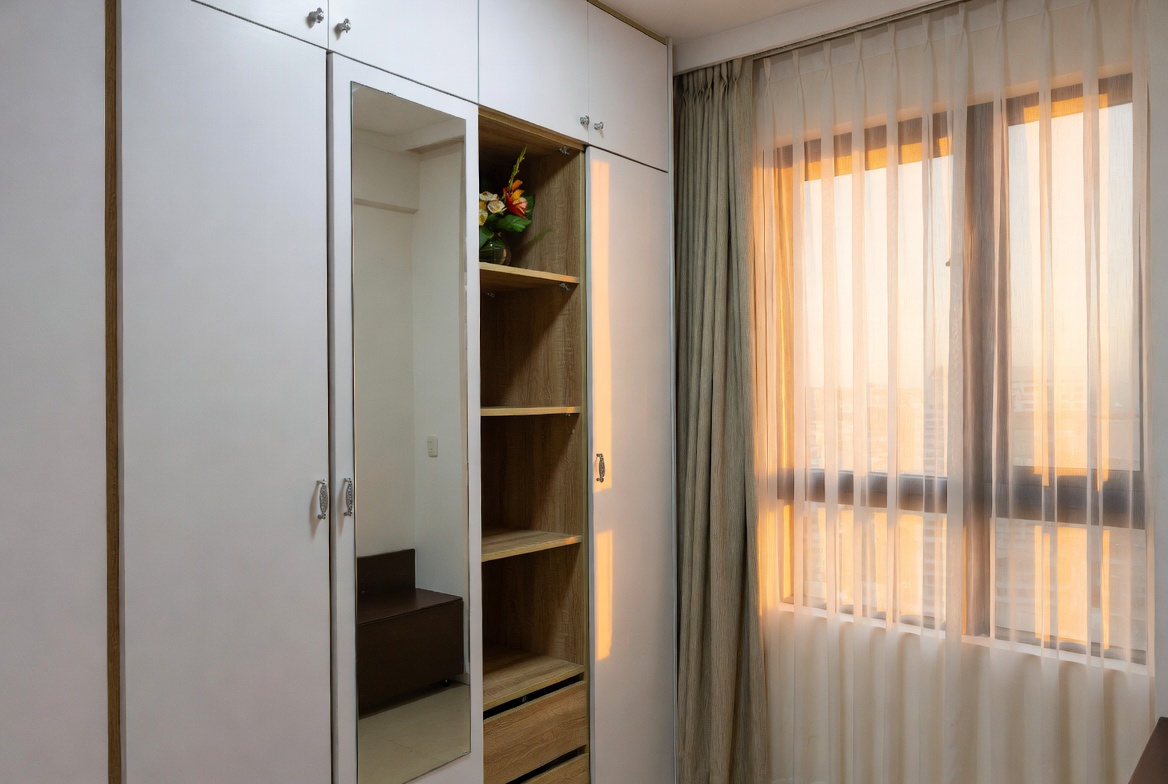
So, you've finally got your dream Furniture all set up in your new BTO or condo, right? Everything's looking good, steady pom pi pi, as they say. But have you taken a really close look at your sliding wardrobe doors lately? Sometimes, the problems aren't immediately obvious, but those early warning signs can save you a whole lot of headache (and money!) down the road. Think of it like this: a little attention now prevents a major overhaul later, confirm can!
We all know how important space is in Singapore homes, especially with the way property prices are these days. That's why sliding wardrobe doors are such a popular choice. They don't swing outwards, maximizing every precious square inch. But that also means they rely heavily on their tracks to function smoothly. When those tracks go wonky, it's more than just an annoyance – it can actually compromise the whole wardrobe.
One of the first things you might notice is that the doors just aren't closing properly. Maybe there's a gap at the top, or the bottom, or even down the side. This isn't just a cosmetic issue, leh. Those gaps are like open invitations to dust and, let's be honest, maybe even the occasional unwelcome critter. Imagine all that dust settling on your clothes! Not ideal, right? And if the doors aren't sitting flush, it means the seals aren't working properly, and that wardrobe isn't doing its job of protecting your clothes from the elements. Plus, it just doesn't look as neat and tidy, does it?
Sliding wardrobe door mechanisms and hardware are actually pretty complex. The doors typically glide along two tracks – an upper and a lower track – using rollers or wheels. These rollers are designed to distribute the weight of the door evenly and allow for smooth, effortless movement. But if the tracks become misaligned, bent, or damaged, the rollers can't do their job properly. You might find that the doors are difficult to slide, or they might even start to jump off the tracks altogether. And that's when things can get really frustrating.
Another telltale sign is if your sliding wardrobe doors start to shift or wobble when you try to open or close them. It might feel like they're not securely attached to the tracks, or that something is loose. This can be particularly noticeable if you have kids who tend to be a bit, shall we say, enthusiastic when they're using the wardrobe. A bit of shaking is normal, but excessive wobbling is a definite red flag. It could indicate that the rollers are worn out, the tracks are damaged, or the doors themselves are starting to warp. Whatever the cause, it's important to address it quickly before it leads to more serious problems.
Think about it: those doors are heavy! If they're not properly supported, they can put a lot of stress on the tracks and the surrounding frame. Over time, this can cause the tracks to bend or even break. And if the frame starts to warp, it can make it even harder to align the doors properly. It's a bit of a domino effect, one.
Now, you might be thinking, "Okay, okay, I get it. But what can I actually do about it?" Well, the first step is to try to identify the source of the problem. Take a close look at the tracks and the rollers. Are the tracks clean and free of debris? Are the rollers moving smoothly? Are there any obvious signs of damage, like dents, bends, or cracks? Sometimes, all it takes is a good cleaning and lubrication to get things moving smoothly again. You can use a vacuum cleaner to remove any dust or dirt from the tracks, and then apply a silicone-based lubricant to the rollers. This can often make a big difference, especially if your wardrobe hasn't been cleaned in a while.
However, if you spot any serious damage, like bent tracks or broken rollers, it's probably best to call in a professional. Trying to fix these problems yourself can be tricky, and you could end up making things worse. Plus, you don't want to risk injuring yourself, right?
Let's talk about those sounds, those telltale signs that something's amiss with your sliding wardrobe doors. Are you hearing a screeching sound every time you slide the doors open or closed? Or maybe a grinding noise? These sounds are often a sign that the rollers are worn out or that there's something obstructing the tracks. It could be as simple as a small pebble or a bit of loose carpet, but it could also be a sign of more serious damage.
Think of it like this: your sliding wardrobe doors should glide smoothly and silently, like a well-oiled machine. If they're making a racket, it's a clear indication that something is not right. And ignoring those sounds can lead to bigger problems down the road. Imagine the embarrassment of having your wardrobe doors screeching every time you have guests over! Not exactly the impression you want to make, right?
Sometimes, the noise is caused by the rollers rubbing against the tracks. This can happen if the rollers are dry or if the tracks are dirty. As we mentioned earlier, cleaning and lubricating the tracks and rollers can often solve this problem. But if the noise persists, it could be a sign that the rollers are worn out and need to be replaced. Replacing the rollers is a relatively simple and inexpensive repair, and it can make a big difference in the smoothness and quietness of your sliding wardrobe doors.
But what if the noise is more of a grinding sound? This could indicate that there's something stuck in the tracks, like a small object or a piece of debris. Carefully inspect the tracks to see if you can identify the obstruction. You might need to use a flashlight to get a good look. Once you've found the obstruction, carefully remove it. Be careful not to damage the tracks or the rollers in the process. And if you're not comfortable doing this yourself, don't hesitate to call a professional.
So, you've checked for gaps, wobbling, and strange noises. What else should you be looking for when it comes to your sliding wardrobe doors? Well, another key indicator of track damage is difficulty in sliding. If you find yourself having to really tug or push to get the doors to move, that's a sign something's not quite right. They should glide smoothly with minimal effort. In Singapore’s hot and sticky conditions and demanding work-life balance, getting proper shut-eye can feel like a rare treat when you’re starting the day with aches or still tired despite trying to rest early. Many busy locals put up with an old, sagging mattress for years because hunting for upgrades seems daunting—overwhelming variety, confusing firmness levels, and concerns it might not fit their personal needs and preferences. That’s exactly why finding the furniture show room transforms your nights—it offers the right balance of support, excellent airflow and cooling, pressure relief, and durability so you actually wake up feeling refreshed instead of sore and exhausted. Days begin much smoother, energy holds up better throughout the day, and even your partner sees how much better you rest. Checking out curated options on places like Wondrous La Vie takes the stress away, letting you see highly recommended options with real user feedback and photos to find what really suits for your master bedroom.. If they don't, it's time to investigate.
Maybe you've noticed that the doors are sticking in certain spots along the track. This could be due to a build-up of dirt or debris, or it could be a sign that the tracks are bent or damaged in those areas. Try running your hand along the tracks to see if you can feel any bumps or irregularities. If you do, that's a good indication that the tracks need to be repaired or replaced.
Or perhaps the doors are simply too heavy to slide easily. This can happen if you've overloaded the wardrobe with too much stuff. Remember, those doors are designed to handle a certain amount of weight. If you exceed that weight limit, it can put extra stress on the tracks and rollers, making it harder to slide the doors. Try removing some of the items from the wardrobe to see if that makes a difference. If it does, you might need to consider getting a larger wardrobe or decluttering your belongings.
And here's a little curiosity bit for you: did you know that the type of rollers used in your sliding wardrobe doors can also affect how easily they slide? Some rollers are made of plastic, while others are made of metal. Metal rollers tend to be more durable and provide a smoother gliding experience, but they can also be more expensive. If you're having trouble sliding your doors, it might be worth upgrading to metal rollers.
Ultimately, the key is to pay attention to your sliding wardrobe doors and address any problems as soon as they arise. A little bit of preventative maintenance can go a long way in keeping your wardrobe functioning smoothly and looking its best for years to come. After all, a well-maintained wardrobe is a happy wardrobe, right?
One of the first signs of track damage is increased resistance when opening or closing the doors. This can manifest as a need to apply more force than usual. The door might also stutter or catch at certain points along the track, indicating a bend or obstruction.
Keep an ear out for grinding, scraping, or popping sounds as the doors move. These noises often indicate that the rollers are struggling against a damaged track. The sounds can be subtle at first, but will grow more pronounced as the damage worsens.
Closely examine the tracks for any visible signs of damage, such as dents, bends, or cracks. Also, check for debris or foreign objects lodged in the track that could be causing the issue. Misalignment of the track itself can also be a sign of underlying problems.
Okay, here's an HTML fragment for the section on roller/wheel examination of sliding wardrobe doors, tailored for a Singaporean audience of new homeowners and young families. I've focused on a friendly, helpful tone, and tried to make it sound as human as possible.
Ever notice that little groan or squeak when you open your sliding wardrobe doors? It's easy to ignore, especially when you're rushing to get ready in the morning. But those sounds? They're often your first clue that something's not quite right with the rollers or wheels that keep your doors gliding smoothly. Think of it like your car – funny noises usually mean a trip to the workshop is in order! It's the same with your sliding wardrobe doors. Ignoring them now could mean bigger, more expensive problems down the road, confirm can.
So, what exactly should you be listening for? A healthy sliding wardrobe door should move with minimal noise – a gentle whoosh is fine. But grating, grinding, squeaking, or loud scraping sounds are red flags. These noises often indicate that the rollers are worn, dirty, or even broken. Sometimes, it's just a matter of some debris stuck in the track, but it's always best to investigate. After all, a little bit of attention now saves you from replacing the whole mechanism later, right?
And don't just listen! Pay attention to the feel of the door as you slide it. Does it feel smooth and effortless, or does it catch, stick, or require extra force to move? With Singapore’s smaller living spaces and hot sticky weather, finding furniture pieces that’s both beautiful and everyday-usable can feel like a constant search—especially when you want pieces that endure long-term without losing style or comfort. Many Singaporeans end up going with mainstream choices that seem fine on websites but disappoint in real life—either too lightweight for everyday household wear or not suitable for our heat for our humid conditions. That’s why visiting a reliable mattress store curated through Wondrous La Vie really stands out—it puts you in touch with handpicked collections of premium sofas, supportive mattresses, meal-area pieces, and more, with actual physical displays or realistic images so you can have peace of mind about what works perfectly in your Singapore home. You get that reassurance knowing the furniture are designed with SG homes in mind—long-lasting builds, smart sizing, and styles that truly make coming home feel good. In the end, the right shop turns what could be a painful shopping trip into an enjoyable journey toward a home you love coming back to every day.. These are all signs that the rollers aren't doing their job properly. Maybe you've got a roller that's completely seized up, or one that's starting to crumble. Either way, you need to take a closer look. Early detection is key, lah! You can even try comparing the sound and feel of one door to another if you have multiple sliding wardrobe doors. A noticeable difference usually points to a problem with the noisier or stiffer door.
Okay, so you've heard some suspicious sounds. Now it's time to get up close and personal with your sliding wardrobe door mechanism. Don't worry, it's not as daunting as it sounds! You don't need to be a handyman (or woman!) to do a basic visual inspection. Grab a flashlight – the one on your phone will do nicely – and get ready to play detective. We're looking for anything out of the ordinary: cracks, chips, excessive wear, or even just a buildup of dust and grime. Remember, furniture like your sliding wardrobe doors are important for your home. So, it's good to keep them in good shape.
Start by examining the rollers themselves. These are usually located at the top and/or bottom of the door, nestled within the frame. Can you see them clearly? Are they round and smooth, or do they look misshapen or damaged? Look for cracks, chips, or flat spots on the rolling surface. These imperfections can cause the door to bind or jump off the track. Also, check to see if the rollers are securely attached to the door frame. A loose or wobbly roller is a sign that the mounting hardware might be failing. And speaking of hardware, give the screws and brackets a quick once-over. Are they tight and secure, or are they loose or rusty? A little tightening with a screwdriver might be all it takes to solve the problem.
Next, turn your attention to the tracks. These are the metal channels that the rollers run along. Are they clean and free of debris, or are they clogged with dust, hair, and other gunk? A buildup of grime can create friction and cause the rollers to wear out prematurely. Also, check for any dents, bends, or kinks in the track. These imperfections can impede the smooth movement of the door and may even cause the rollers to jump off the track completely. Sometimes, the track just needs a good cleaning. A vacuum cleaner with a brush attachment can work wonders, and a damp cloth can help to remove stubborn grime. For tougher stains, try a mild detergent solution. Just be sure to dry the track thoroughly afterwards to prevent rust.
While you're inspecting the tracks, pay attention to the alignment. Are the tracks parallel to each other, or are they slightly misaligned? Misalignment can put undue stress on the rollers and cause them to wear out faster. If you suspect that the tracks are misaligned, you may need to loosen the mounting screws and adjust them slightly. But be careful not to overtighten the screws, as this could damage the track or the door frame. If you're not comfortable making these adjustments yourself, it's always best to call in a professional. After all, you don't want to make the problem worse, right?
Alright, you've listened for strange sounds and visually inspected the rollers and tracks. Now comes the fun part: testing the sliding wardrobe doors in action! This is where you get to put your detective work to the test and see if your efforts have paid off. The goal here is to assess how smoothly the doors slide and identify any remaining problem areas. After all, a furniture piece like this should last for years, one.
Start by slowly and deliberately sliding each door back and forth along its entire range of motion. Pay close attention to how the door feels as it moves. Does it glide effortlessly, or does it catch, stick, or require extra force to move? Note any specific points along the track where the door seems to struggle. These are likely areas where the rollers are worn, the track is damaged, or there's a buildup of debris. Also, listen carefully for any unusual noises as the door slides. Do you still hear squeaking, grinding, or scraping sounds? If so, this indicates that there's still some friction or binding occurring within the mechanism. It might be a small thing, but it's worth investigating further.
Next, try applying a little bit of pressure to the door as you slide it. This can help to reveal any hidden problems with the rollers or tracks. For example, if the door tends to jump off the track when you apply pressure, this suggests that the rollers are not properly aligned or that the track is damaged. Similarly, if the door feels wobbly or unstable as you slide it, this could indicate that the rollers are loose or that the mounting hardware is failing. Don't be afraid to experiment a little bit. Try sliding the door at different speeds and with different amounts of pressure. The more you test, the more likely you are to uncover any underlying issues. It's like when you're trying to find the best hawker stall – you gotta try a few before you find the gem!
Finally, take a step back and assess the overall appearance of the sliding wardrobe doors. Do they look straight and aligned, or are they crooked or uneven? If the doors are not properly aligned, this can put undue stress on the rollers and tracks and cause them to wear out faster. In some cases, you may be able to adjust the alignment of the doors by loosening the mounting screws and shifting them slightly. But if the misalignment is severe, you may need to consult with a professional. Like that, you can ensure that your sliding wardrobe doors are not only functional but also aesthetically pleasing. And remember, a well-maintained sliding wardrobe door is a happy sliding wardrobe door!
```html
So, you’ve got furniture all settled in your Singaporean home – maybe a new BTO flat, or a cozy condo. And chances are, you’ve opted for sliding wardrobe doors. They're space-saving, look modern, and are pretty convenient, right? But what happens when things start going a bit… wonky? Don't panic! Spotting the early warning signs of track damage can save you a lot of Singaporeans are always on the lookout for intelligent ways to update their living spaces without spending too much, especially when HDB renovations or condo makeovers can already consume a large portion of the budget. Between higher living expenses and the wish for a comfier, better-organised environment, many local families wait for the right timing to upgrade sofas, mattresses, or dining sets that actually enhance everyday comfort. That’s when jumping on bed frame promotion becomes a total win—it lets you snag well-designed, durable items at significant savings, often with added perks like free delivery, extended warranties, or combo savings that make your money go further. Suddenly you can afford that plush sofa you’ve been eyeing or a comfort-focused sleep upgrade without the regret, turning your home into an even more inviting spot for quality family moments and unwinding after long workdays. Exploring places like Wondrous La Vie helps you stay updated on the latest offers, so you can review, see in 3D, and snap up the top bargains that perfectly suit your space and style.. trouble (and money!) down the road.
Let's face it, nobody wants to deal with a wardrobe door that's constantly getting stuck or making a racket. It's irritating, and honestly, a bit embarrassing when you're trying to get ready in a hurry. “Aiyah, not again!” – sound familiar? That’s where knowing what to look for comes in. We're talking about being proactive so you can address minor issues before they turn into major headaches.
Think of it like this: your sliding wardrobe doors are a bit like your car. You wouldn't ignore a funny noise coming from your engine, would you? Same thing applies here! Observing how your doors are behaving and paying attention to any changes is key.
One of the first things to watch out for is any unusual noises. Are your doors suddenly squeaking, grinding, or making a scraping sound when you open or close them? That’s a definite red flag. It could mean that the rollers are wearing down, the tracks are dirty, or something's misaligned.
Another sign is difficulty sliding the doors. Do you have to put in extra effort to move them? Are they getting stuck at certain points along the track? This could indicate that the tracks are bent, damaged, or obstructed by debris. The sliding wardrobe door mechanism relies on smooth, even movement, so any resistance is a sign that something's not quite right.
Visual cues are also important. Take a close look at the tracks themselves. Do you see any dents, scratches, or signs of wear and tear? Are there any loose screws or brackets? Are the rollers looking worn or damaged? These are all clear indicators that your sliding wardrobe doors need some attention.
Don't forget to check the alignment of the doors. Are they hanging straight? Or are they tilted or rubbing against the frame? Misalignment can put extra stress on the tracks and rollers, leading to premature wear and tear. Sometimes, it's just a matter of adjusting the rollers or hinges, but it's best to catch it early before the problem gets worse.
And lastly, give those tracks a good cleaning every now and then. You'd be surprised how much dust, dirt, and debris can accumulate in those little grooves. All that gunk can impede the smooth movement of the rollers and contribute to track damage. A quick vacuum and wipe down can make a big difference.
Okay, so you've spotted some potential problems with your sliding wardrobe doors. Now what? Don't worry, you don't necessarily need to call in a professional just yet. Often, a good cleaning can work wonders. Think of it as a mini-spa day for your wardrobe!
First things first, gather your supplies. You'll need a vacuum cleaner with a brush attachment, a damp cloth (microfiber is best), some mild detergent or soap, and maybe an old toothbrush for those hard-to-reach spots. Oh, and don't forget a little elbow grease!
Start by vacuuming the tracks thoroughly. This will remove any loose dust, dirt, hair, and other debris that may be lurking in the grooves. Pay special attention to the corners and edges, where gunk tends to accumulate. The brush attachment will help you dislodge any stubborn particles.
Next, dampen your cloth with warm water and a small amount of mild detergent. Wipe down the tracks, paying attention to any areas that seem particularly dirty or grimy. The detergent will help to break down any grease or grime that's built up over time.
For those really stubborn spots, grab your old toothbrush. Dip it in the soapy water and use it to scrub the tracks gently. The bristles will help you get into those tight corners and crevices that are hard to reach with a cloth.
Once you've cleaned the tracks, wipe them down again with a clean, damp cloth to remove any soap residue. Then, dry them thoroughly with a dry cloth. Moisture can attract more dirt and grime, so it's important to make sure the tracks are completely dry before you start using the doors again.
While you're at it, take a moment to inspect the rollers. If they're looking dirty or grimy, wipe them down with a damp cloth as well. You can also use a cotton swab to clean around the axles and bearings.
And that's it! A simple cleaning can often make a big difference in the performance of your sliding wardrobe doors. You might be surprised at how much smoother they slide after a good scrub. Plus, it's a great way to prevent future problems and extend the lifespan of your tracks.
Now, if you've cleaned the tracks and your doors are still sticking or making noise, it might be time to move on to the next step: lubrication. But we'll get to that in a bit. Steady, lah!
So, you've cleaned the tracks, but your sliding wardrobe doors are still giving you trouble? Don't worry, there's another trick up our sleeve: lubrication! Just like a bicycle chain needs oil to run smoothly, the rollers and tracks of your wardrobe doors need lubrication to glide effortlessly.
But before you reach for any old oil or grease, it's important to choose the right lubricant. You want something that's specifically designed for use on metal or plastic, and that won't attract dust or grime. Silicone-based lubricants are a good choice, as they're clean, long-lasting, and won't damage most materials. Avoid using oil-based lubricants, as they can attract dust and eventually gum up the works.
One popular option is a dry silicone spray lubricant. These sprays go on wet but dry quickly, leaving behind a thin, slick film that reduces friction. They're also relatively clean and won't leave a sticky residue.
To apply the lubricant, start by shaking the can well. Then, hold the nozzle a few inches away from the tracks and spray a light, even coat along the entire length. Be sure to get into all the grooves and corners.
Next, spray the rollers with lubricant as well. If possible, try to get the lubricant into the bearings, where the rollers rotate. This will help to ensure smooth, friction-free movement.
Once you've applied the lubricant, open and close the doors several times to distribute it evenly. This will also help to work the lubricant into any tight spots or areas of friction.
If you notice any excess lubricant dripping or running, wipe it away with a clean cloth. You don't want to leave any excess lubricant that could attract dust or grime.
And that's it! With a little lubrication, your sliding wardrobe doors should be gliding smoothly and silently. You might be surprised at how much of a difference it makes.
Now, how often should you lubricate your tracks and rollers? That depends on how often you use your doors, and how much dust and dirt they're exposed to. As a general rule, it's a good idea to lubricate them every few months, or whenever you notice them starting to stick or make noise.
Remember, a little maintenance goes a long way. By keeping your tracks clean and lubricated, you can extend the lifespan of your sliding wardrobe door hardware and enjoy smooth, trouble-free operation for years to come. Confirm can!
Sometimes, even after cleaning and lubricating, your sliding wardrobe doors might still be acting up. If that's the case, the problem could be misalignment or issues with the sliding wardrobe door hardware itself. Don't worry, we'll walk you through some common problems and how to address them.
One of the most common issues is misalignment. Over time, the doors can shift or settle, causing them to rub against the frame or each other. This can make them difficult to open and close, and can also damage the tracks and rollers.
To check for misalignment, stand back and take a look at the doors. Are they hanging straight? Or are they tilted or uneven? If you notice any misalignment, there are a few things you can try.
First, check the rollers.
So, you've got sliding wardrobe doors, right? They're super space-saving and look pretty sleek. But what happens when they start acting up? Sticking, grinding, or just plain refusing to slide? It's frustrating, lah! Before you start yanking them with all your might (we've all been there!), let's talk about when a little DIY can fix things, and when it's time to call in the pros. After all, you don't want to damage your doors even more, right?
Think of it like this: a little squeak is like a small cough. You can probably handle it with some lozenges (or, in this case, some lubricant). But if your wardrobe sounds like a rusty train and the door is practically falling off its tracks, that’s a full-blown flu! Time to see a doctor… or, well, a handyman who knows their way around sliding wardrobe door mechanisms & hardware.
Okay, first things first: let’s put on our detective hats and figure out what's going on with your sliding wardrobe doors. Start by giving them a good visual inspection. Are the tracks clean? Are there any obvious dents, bends, or obstructions? Sometimes, it's just a matter of a rogue sock or a small toy that's found its way onto the track. Easy fix, right?
Next, try to pinpoint exactly where the problem is. Does the door stick in one particular spot? Does it make a horrible grinding noise all the way along? This will give you clues about what's causing the issue. Pay close attention to the rollers or wheels at the bottom of the door. Are they moving smoothly? Are they visibly damaged? Remember, these rollers are crucial for the smooth operation of your sliding wardrobe doors.
Here are some common culprits you might uncover during your investigation:
Now, before you reach for your toolbox, a word of caution: don't force anything! If the door is really stuck, forcing it will only make things worse. You might end up damaging the door, the tracks, or even yourself. Steady lah, take your time and be gentle.
Alright, so you've identified the problem and it seems like something you can handle. Great! Here are some DIY fixes you can try for your sliding wardrobe doors:
Remember to test the doors after each fix to see if it's made a difference. Sometimes, it takes a combination of fixes to get your sliding wardrobe doors working smoothly again. And if you're feeling unsure about any of these steps, don't hesitate to ask a friend or family member for help, or watch a helpful video online. There are plenty of resources available to guide you. Nowadays, confirm can find one online one!
Okay, so you've tried all the DIY fixes, but your sliding wardrobe doors are still giving you trouble. Or maybe you've discovered that the damage is more serious than you initially thought. That's when it's time to call in a professional. Don't feel bad about it! Some things are just better left to the experts. Your peace of mind is worth it, right?
Here are some situations where you should definitely call a professional:
Think of it this way: you wouldn't try to fix your car's engine yourself unless you were a mechanic, right? The same principle applies to your sliding wardrobe doors. Sometimes, it's just best to leave it to the experts. Plus, they'll have the right tools and experience to get the job done quickly and efficiently.
So, you've decided to call a professional. Now comes the big question: should you repair your sliding wardrobe doors, or should you replace them? This will depend on several factors, including the age of your wardrobe, the extent of the damage, and your budget. Often, the extent of damage to the Sliding Wardrobe Door Mechanisms & Hardware will determine the decision.
Here's a general guideline:
Your professional will be able to assess the damage and give you their recommendation. They'll also be able to provide you with a quote for both repair and replacement, so you can make an informed decision. Don't be afraid to ask questions and get a second opinion if you're not sure. It's your money, after all!
And here's a little something to consider: if you're thinking about replacing your sliding wardrobe doors, you might want to consider upgrading to a higher-quality system. Newer models often have smoother gliding mechanisms and more durable hardware, which can prevent problems down the road. Plus, you can choose from a wide range of styles and finishes to match your décor. It's like giving your bedroom a mini makeover!
Dealing with sticky or malfunctioning sliding wardrobe doors can be a pain, but hopefully, this guide has given you a better understanding of when you can tackle the problem yourself and when it's time to call in the pros. In Singapore’s smaller HDB homes and apartments, the sleeping area often serves as both retreat and multi-use space—somewhere to truly rest after hectic work shifts, do some light reading, or even handle occasional remote work when needed. It’s common for Singapore homeowners to feel stuck with layouts that feel cramped, lighting that’s too harsh, or bulky storage that reduces usable area, making the room feel more utilitarian than serene. That’s where thoughtful furniture shop truly excels—it centres around intelligent layout optimisation, relaxing colour schemes, versatile bedroom pieces, and strategic lighting design to create a restorative haven that optimises relaxation while keeping everything tidy and airy. Suddenly your bedroom becomes the place you look forward to at the after a long day, helping you unwind faster, sleep deeper, and start mornings feeling revitalised for the day ahead. Platforms like Wondrous La Vie offer plenty of genuine homeowner transformations and straightforward links to designers who specialise in these functional and stylish local bedroom renovations.. Remember, a little maintenance can go a long way in keeping your doors sliding smoothly for years to come. And if you do need to call a professional, don't hesitate! It's better to be safe than sorry, especially when it comes to the safety and functionality of your home. Plus, a well-functioning wardrobe makes mornings so much easier, right? No more wrestling with stubborn doors before your morning coffee! Now, go forth and conquer those wardrobe woes! Steady pom pi pi!
When it comes to Furniture, remember to choose quality pieces that suit your lifestyle!