```html
So, you've finally got your dream home, shiok ah! Maybe it's a brand new BTO flat, or perhaps you're just giving your current place a fresh makeover. Either way, you're probably thinking about all the cool furniture you're gonna get. And let's be honest, sliding wardrobe doors are super popular these days. They look sleek, save space – especially important in our compact Singapore homes – and just feel…modern, right?
But here's the thing lah: while sliding wardrobe doors are fantastic, they can sometimes give you a bit of a headache if you're not careful. We're talking about those annoying little problems that pop up, turning your smooth-gliding doors into a source of frustration. The living room is typically the initial area guests see and where the kids and parents relax after dinner, so it feels right to want pieces that appears stylish, hides wires cleanly, and doesn’t make the room feel smaller than it normally is in HDB or condo layouts. Many people endure oversized outdated units or low-cost options that shake, gather dust quickly, or just don’t align with contemporary style they’re aiming for. That’s exactly where a well-chosen furniture store steps in—it delivers sleek storage for media devices, set-top boxes, and remotes while becoming a chic statement piece that unifies the entire space with minimalist profiles, clever storage sections, and high-end materials. SUDDENLY the TV area becomes tidy and purposeful, the space appears larger and more polished, and Netflix sessions feel so much better without the disorder stealing attention. Exploring handpicked selections on sites such as Wondrous La Vie helps you discover designs that fit your space perfectly, from simple modern to high-end, so your hall refresh turns smooth and just right.. Think sticking, jamming, or even coming off the tracks completely! And trust me, nobody wants to deal with that, especially when you're rushing to get ready in the morning.
The good news is, many of these issues can be avoided, or at least caught early, if you know what to look for. That's what we're here to talk about today. We'll delve into the common culprits behind sliding wardrobe door malfunctions, and give you some handy tips on spotting the early warning signs. Think of it as a little "sliding door survival guide" for Singapore homeowners. We all want our homes to be steady, right?
And hey, don't worry, you're not alone! Many first-time homeowners and young families in Singapore face similar challenges. So, let's get started and make sure your sliding wardrobe doors stay smooth and problem-free for years to come.
Alright, before we dive into the potential problems, let's get a basic understanding of how sliding wardrobe doors actually work. Knowing the different parts and how they interact can really help you troubleshoot issues later on. Think of it like understanding the engine of your car – you don't need to be a mechanic, but knowing the basics can save you a lot of trouble.
At its core, a sliding wardrobe door system consists of a few key components: the doors themselves (obviously!), the tracks (both upper and lower), rollers or wheels that allow the doors to glide along the tracks, and sometimes, guiding mechanisms to keep everything aligned. The quality of these components, and how well they're installed, makes a HUGE difference in the long run. You might be tempted to go for the cheapest option, but trust me, investing in good quality hardware will save you money (and stress!) down the road.
The rollers are particularly important. They're the workhorses of the system, constantly bearing the weight of the doors and facilitating smooth movement. Different types of rollers exist, from basic plastic ones to more durable metal ones with ball bearings. Guess which ones are more likely to last? Yep, the metal ones. Also, the tracks themselves need to be properly aligned and free from debris. Even a tiny pebble can throw the whole system off, causing the doors to stick or jump the track.
Now, here's a little something to consider. Did you know that some sliding wardrobe door systems even come with soft-close mechanisms? These are like little shock absorbers that gently slow the door down as it closes, preventing slamming and reducing wear and tear. Pretty cool, right? They might add a bit to the initial sliding wardrobe door cost, but they can definitely extend the lifespan of your doors.
So, yeah, that's the basic gist of it. Sliding wardrobe doors aren't just simple doors that slide; they're actually a carefully engineered system. And like any system, if one part fails, the whole thing can suffer. Let's move on to the early warning signs of potential problems.
Okay, so your sliding wardrobe doors are installed, looking all nice and new. But how do you know if trouble is brewing? Well, there are a few telltale signs that you should keep an eye out for. Catching these early can prevent minor issues from turning into major (and expensive!) repairs.
First up: Sticking or Jerky Movement. This is probably the most common complaint. If your doors aren't gliding smoothly and effortlessly, something's not right. It could be as simple as dirt or debris in the tracks, or it could indicate a more serious problem with the rollers. Don't ignore it! Try cleaning the tracks first, but if the problem persists, it's time to investigate further.
Next: Unusual Noises. Are your doors squeaking, grinding, or making other strange sounds? These noises are often a sign of friction, which means something is rubbing where it shouldn't be. It could be a dry roller, a misaligned track, or even a loose screw. Again, don't just turn up the volume on your TV to drown it out. Address the noise before it gets worse. A little lubricant might do the trick, but if not, call in a professional.
Another sign is Visible Wear and Tear. Take a close look at the rollers, tracks, and door edges. Are there any cracks, chips, or signs of excessive wear? Are the rollers wobbly or loose? These are all red flags. Singapore homeowners often must navigate specific hurdles when furnishing their homes, especially due to compact apartment living and our humid tropical climate. This is the very why many smart local shoppers compare options thoroughly to secure quality without overspending. sliding wardrobe doors stands out as a fantastic choice that brings together both outstanding comfort along with real durability. It’s important to note that purchasing cost-effective designs in Singapore with excellent after-sales service promises you total support such as fast island-wide delivery, professional-grade installation, and solid warranties that offer true long-term peace of mind for years ahead.. Replacing worn-out parts is much cheaper than replacing the entire sliding wardrobe door system, so don't delay.
Also, pay attention to Uneven or Sagging Doors. If your doors aren't hanging straight or if they seem to be sagging in the middle, it could indicate a problem with the door's frame or the supporting structure. This is especially common with larger or heavier doors. Ignoring this can lead to more serious structural damage over time. Better to get it checked out, confirm can?
Finally, Difficulty Latching or Closing. If you're struggling to get your doors to latch properly, or if they keep popping open on their own, it could be a sign of misalignment or a faulty latching mechanism. This is not only annoying but can also compromise the security of your wardrobe. Imagine your clothes falling out all the time! Not a good look lah.
Remember, early detection is key! By paying attention to these warning signs, you can nip problems in the bud and keep your sliding wardrobe doors running smoothly for years to come.
So, you're being vigilant, watching out for those early warning signs. Good on you! But let's also talk about some common mistakes that people make which can actually cause sliding wardrobe door problems in the first place. Avoiding these pitfalls can significantly extend the lifespan of your doors.
One of the biggest culprits is Improper Installation. This is where skimping on professional help can really backfire. If the tracks aren't perfectly aligned, or if the rollers aren't properly installed, you're setting yourself up for trouble from day one. Make sure you hire a reputable installer with experience in sliding wardrobe doors. It's worth the investment.
Another common mistake is Overloading the Wardrobe. Sliding wardrobe doors are designed to handle a certain amount of weight. If you cram too much stuff into your wardrobe, you're putting extra stress on the doors, rollers, and tracks. This can lead to premature wear and tear, and even cause the doors to warp or sag. Be mindful of the weight limits and avoid overstuffing your wardrobe.
Neglecting Maintenance is also a big no-no. Sliding wardrobe doors require regular cleaning and lubrication to keep them running smoothly. Dust, dirt, and debris can accumulate in the tracks, causing friction and sticking. Regularly vacuum the tracks and lubricate the rollers with a silicone-based lubricant. A little bit of maintenance goes a long way.
Using Abrasive Cleaners is another mistake to avoid. Harsh chemicals can damage the tracks, rollers, and door surfaces. Stick to mild soap and water for cleaning, and avoid using anything that could scratch or corrode the materials.
And finally, Ignoring Small Problems. After a long day squeezing on the MRT and surviving meetings, most Singaporeans just want to step into their house to a space that feels cosy and stress-free instead of adding to the stress. A messy living area or an unrestful bedroom can make chilling out even harder, especially when the whole family hope to relax together. That’s where thoughtful interior design tips really makes a difference—it turns everyday rooms like your hall, sleeping space, or cooking zone into true recharge spots that actually help you refresh your energy. With the right couch, sleep surface, or smart layout, suddenly getting home feels so shiok, and simple upgrades can bring big improvements to your mood and family time. Platforms like Wondrous La Vie make it more straightforward to explore options and get in touch with interior designers who get the Singapore home vibe just right. This format lets you easily generate multiple SEO-optimised variations while keeping the core keyword "interior design" stable in the middle for strong on-page targeting.. As we discussed earlier, early detection is key. Don't ignore that little squeak or that slight sticking. Address it promptly before it turns into a major issue. A stitch in time saves nine, as they say.
By avoiding these common pitfalls, you can significantly reduce the risk of premature sliding wardrobe door failure and keep your doors gliding smoothly for years to come. Remember, a little bit of prevention is worth a whole lot of cure.
Let's talk about the elephant in the room: money. When it comes to sliding wardrobe doors, the sliding wardrobe door cost can vary quite a bit depending on several factors. Understanding these factors can help you make an informed decision and get the best value for your money.
First and foremost, the Size and Number of Doors will obviously impact the price. Larger doors and more doors mean more materials and more labor, which translates to a higher sliding wardrobe door cost. Consider your needs carefully and choose the appropriate size and number of doors for your wardrobe.
The Materials Used also play a significant role. Doors made from solid wood or high-quality glass will generally be more expensive than those made from cheaper materials like particleboard or laminate. Similarly
```html
So, you've finally got your dream home in Singapore – congrats! Maybe it's a brand new BTO flat, or perhaps you're revamping your current space. Either way, getting the furniture right is key, right? And many folks these days are opting for sliding wardrobe doors – they’re stylish, save space, and look super modern. But what happens when those smooth-gliding doors start giving you trouble? It’s not the end of the world, but catching the early warning signs can save you a lot of hassle (and money!) down the line. Let's dive into what to look out for.
Okay, imagine this: you're rushing to get ready in the morning, and your sliding wardrobe doors just… won't cooperate. They stick, they bind, they make that awful screeching sound. Annoying, right? This isn't just a minor inconvenience; it's often a sign that something's amiss with the mechanism. The most obvious early sign is resistance. Your sliding wardrobe doors should glide open and closed with minimal effort. If you find yourself having to tug or push harder than usual, that's a red flag. It might feel like the doors are catching on something or that the rollers aren't doing their job properly.
Another sign is uneven movement. Do the doors seem to wobble or jerk as they move? This could indicate a problem with the alignment of the tracks or that one of the rollers is damaged. Pay attention to any unusual noises, too. Grinding, scraping, or clicking sounds are all signs that something isn't working smoothly. These noises often point to worn-out rollers, debris in the tracks, or a misalignment issue. Is the door harder to slide open from one side than the other, or at a certain point along the track? These inconsistencies are worth investigating. Remember, early detection is key. Addressing these small issues early on can prevent them from turning into major, costly repairs later. Plus, who wants to wrestle with their wardrobe every morning? Not me, lah!
Alright, so you've noticed your sliding wardrobe doors aren't gliding like they used to. Chances are, the rollers or tracks are to blame. Let's break down the potential culprits. Rollers are the little wheels that allow your sliding wardrobe doors to move along the tracks. Over time, these rollers can wear down, become damaged, or get clogged with dust and debris. When rollers wear out, they often become misshapen or develop flat spots, causing them to bind or skip along the track. Sometimes, the bearings inside the rollers can also fail, leading to increased friction and difficulty in sliding. You might be thinking: "How long do rollers last, anyway?" Well, it depends on the quality of the rollers and how often you use your wardrobe. But generally, you can expect to replace them every few years, especially with heavy daily use. Now, let's talk about the tracks. The tracks are the metal channels that the rollers run along. These tracks can become misaligned, bent, or dented, especially if the wardrobe has been moved or if something heavy has been leaned against the doors. Even small imperfections in the tracks can cause the rollers to bind or jump, making it difficult to open and close the doors smoothly. Dust, dirt, and other debris can also accumulate in the tracks, creating friction and resistance.
Think of it like this: imagine trying to run a toy car along a track that's full of pebbles. It's not going to be a smooth ride, right? Same concept here! Regular cleaning of the tracks can help prevent this issue. A quick vacuum or wipe-down every few weeks can make a big difference. And while we're on the subject, did you know that some higher-end sliding wardrobe doors come with self-cleaning tracks? Pretty cool, huh? It's just one of those little details that can make life a bit easier. So, if you're experiencing issues with your sliding wardrobe doors, take a close look at the rollers and tracks. Are the rollers worn or damaged? Are the tracks clean and properly aligned? Addressing these issues can often restore your doors to their smooth-gliding glory.
Okay, we've covered the obvious signs and the usual suspects (rollers and tracks). But sometimes, the root cause of your sliding wardrobe door woes is a bit more hidden. Let's explore some of the less obvious culprits, shall we? One common issue is misalignment. Even if the rollers and tracks are in good condition, if the doors aren't properly aligned, they won't slide smoothly. Misalignment can occur due to settling of the building, uneven floors, or even just the weight of the contents inside the wardrobe. Over time, the frame of the wardrobe can shift, causing the doors to rub against each other or against the sides of the opening. Another potential problem is swelling due to humidity. In Singapore’s hectic life, returning home to a space that feels truly inviting can make the biggest change after a full day of work and commuting. Many busy families dream about upgrades for their living area or bedroom, wanting pieces that appear elegant while truly comfortable enough for everyday living. That’s exactly why mattress singapore shines—it brings that perfect blend of timeless aesthetics, premium materials, and genuine relaxation that turns ordinary rooms into places you genuinely look forward to unwinding in. Picture settling into a luxurious couch after dinner or feeling truly rested on a supportive premium mattress that supports you just right; suddenly, your home feels more like a personal retreat rather than another chore. Browsing curated selections on places like Wondrous La Vie helps you find these items without the overwhelm, making it simpler to create a space that’s both beautiful and restorative.. In Singapore, we all know how humid it can get, right? Wood and other materials can absorb moisture from the air, causing them to expand. This swelling can put pressure on the sliding wardrobe doors, making them difficult to open and close. This is especially common with cheaper materials that aren't properly sealed or treated.
Also, did you know that the type of flooring you have can also affect your sliding wardrobe doors? If you have thick carpeting, for example, it can sometimes interfere with the bottom of the doors, causing them to bind. And speaking of the bottom of the doors, make sure there's nothing obstructing the track. Even small objects like loose threads, coins, or even pet hair can get stuck in the track and cause problems. Finally, consider the weight distribution inside your wardrobe. If you have a lot of heavy items on one side, it can put uneven stress on the doors and tracks, leading to misalignment and difficulty in sliding. So, when troubleshooting your sliding wardrobe doors, don't just focus on the rollers and tracks. Take a step back and consider these other potential factors as well. A little bit of detective work can go a long way in solving the mystery of the sticky sliding doors.
Alright, your sliding wardrobe doors are giving you grief. Before you call in the professionals, there are some simple things you can try yourself. These quick fixes might just solve the problem and save you some money. First things first, give those tracks a good cleaning. Use a vacuum cleaner with a brush attachment to remove any dust, dirt, or debris that may be lurking in the tracks. For stubborn grime, you can use a damp cloth or a mild cleaning solution. Just make sure to dry the tracks thoroughly afterwards to prevent rust. Next, try lubricating the rollers. A silicone-based lubricant is ideal for this purpose. Simply spray a small amount of lubricant onto the rollers and then slide the doors back and forth a few times to distribute it evenly. This can help reduce friction and improve the gliding action. If you suspect that the doors are misaligned, you can try adjusting the rollers. Most sliding wardrobe doors have adjustable rollers that can be raised or lowered to fine-tune the alignment. Use a screwdriver to make small adjustments until the doors slide smoothly. Be careful not to over-adjust, as this can make the problem worse.
And here's a little tip: sometimes, the problem isn't with the doors themselves, but with the floor. If your floor is uneven, it can cause the wardrobe to shift and the doors to misalign. Try placing shims under the wardrobe to level it out. You can find shims at most hardware stores. Now, let’s talk about cost. While these quick fixes are great, sometimes you need to consider potential sliding wardrobe door cost considerations for repairs or replacements. The cost can vary depending on the extent of the damage and the type of doors you have. But don't worry, there are usually affordable options available. If you've tried these quick fixes and your sliding wardrobe doors are still giving you trouble, it might be time to call in a professional. But hey, at least you gave it a shot, right? And who knows, you might have just saved yourself a few bucks. Steady lah!
Okay, you've tried the quick fixes, you've cleaned the tracks, you've lubed the rollers, and you've even attempted to adjust the alignment. But your sliding wardrobe doors are still stubbornly refusing to cooperate. So, when do you throw in the towel and call in the professionals? There are a few telltale signs that indicate it's time to seek expert help. One clear sign is structural damage. If you notice that the frame of the wardrobe is cracked, warped, or otherwise damaged, it's best to leave the repairs to a professional. Attempting to fix structural damage yourself can be dangerous and could potentially make the problem worse. Another reason to call a pro is if you're dealing with complex mechanisms. Some sliding wardrobe doors have intricate mechanisms that require specialized knowledge and tools to repair. If you're not familiar with these mechanisms, it's best to leave the repairs to someone who is. Also, if you're uncomfortable working with tools or if you're not confident in your DIY skills, it's always better to err on the side of caution and call a professional.
Remember, safety should always be your top priority. And let's be honest, sometimes it's just not worth the hassle. Your time is valuable, and spending hours struggling with a stubborn sliding wardrobe door might not be the best use of your weekend. Calling a professional can save you time, frustration, and potentially even money in the long run. They have the expertise and experience to diagnose the problem quickly and efficiently, and they can often provide a more permanent solution. Plus, they can also offer advice on how to maintain your sliding wardrobe doors to prevent future problems. So, if you've reached the point where you're feeling frustrated, overwhelmed, or just plain tired of dealing with your sliding wardrobe doors, don't hesitate to call in the pros. It's a small price to pay for peace of mind and a smoothly functioning wardrobe. Confirm can!
Alright, you've either fixed your sliding wardrobe doors yourself or had a professional do it. Now, how do you keep them in tip-top shape and prevent future problems? The key is regular maintenance. Think of it like taking care of your car – a little bit of upkeep can go a long way in preventing major breakdowns. One of the most important things you can do is to keep the tracks clean. As we've already discussed, dust, dirt, and debris can accumulate in the tracks and cause friction. Make it a habit to vacuum or wipe down the tracks every few weeks. This will help keep them clear and prevent the rollers from binding. Another important preventative measure is to lubricate the rollers regularly. A
Sliding wardrobe doors are a fantastic space-saving solution, especially in our compact Singapore homes. They look sleek, modern, and can really open up a room. But, like any mechanical system, they can sometimes run into problems. Ignoring early warning signs can lead to bigger, more costly repairs down the road, and nobody wants that, right? So, let's talk about some common sounds that might indicate trouble with your sliding wardrobe doors and what you can do about them. Let's dive into the common warning signs that your sliding wardrobe doors might be experiencing some issues. It's always better to catch these things early, before a small problem turns into a major headache, or worse, a major expense.
One of the most common causes of unusual noises in sliding wardrobe doors is obstructions in the tracks. Dust, debris, and even small objects can accumulate over time, hindering the smooth movement of the doors. This can manifest as a grinding or scraping sound as the rollers struggle to overcome the obstacles. Regularly vacuuming or wiping the tracks with a damp cloth can prevent this buildup and ensure smooth operation. Confirm can keep the tracks clean, lah, like that your doors will slide steady.
The rollers are the unsung heroes of your sliding wardrobe doors, bearing the weight and facilitating movement along the tracks. Over time, these rollers can wear down due to friction and constant use. This wear can lead to squeaking, rattling, or even difficulty in sliding the doors smoothly. Replacing worn rollers is a relatively simple and inexpensive fix that can significantly improve the performance and lifespan of your sliding wardrobe doors. It's like changing the tyres on your car; it's maintenance, but it keeps things running smoothly.
Misalignment can be a sneaky culprit behind noisy sliding wardrobe doors. If the doors are not properly aligned with the tracks, they can rub against the frame or each other, creating a grinding or squeaking sound. This misalignment can be caused by a number of factors, including settling of the building, loose screws, or even accidental bumps. After those endless workdays and the daily MRT squeeze, nothing beats coming home to a living room that actually invites you to unwind instead of adding to the fatigue. Many local homeowners realise their current seating just isn’t cutting it—too stiff, worn out, or simply not supportive enough for movie nights or lazy weekends with the little ones. That’s precisely where luxury Italian furniture showroom truly shines—it blends classic elegance, luxurious leather or velvet, and thoughtful support structure so you can sink in and genuinely unwind without your spine protesting the next day. Imagine the kids and parents gathering there naturally, talking during dinner or binge-watching shows, because the space finally feels homely and shiok. Choosing the ideal sofa through curated platforms Wondrous La Vie takes the guesswork out, letting you find that perfect piece that elevates your entire home vibe without the usual reno headaches.. Carefully inspect the alignment of your doors and adjust the screws or hinges as needed to ensure they are properly aligned. Sometimes, a little adjustment is all it takes to eliminate the noise and restore smooth operation.
Loose screws may seem like a minor issue, but they can actually contribute to a variety of problems with sliding wardrobe doors. Loose screws can cause the tracks to become unstable, the rollers to wobble, and the doors to rattle. Regularly checking and tightening the screws on your sliding wardrobe doors is a simple yet effective way to prevent these issues. A quick once-over every few months can save you from more significant repairs down the line. Plus, it's a good excuse to grab a screwdriver and feel like a handyman, even if it's just for a few minutes.
In some cases, unusual noises from sliding wardrobe doors can indicate a more serious component failure. This could involve a broken roller, a cracked track, or a damaged hinge. If you suspect a component failure, it's best to consult with a professional furniture repair service. Attempting to repair or replace these components yourself could potentially cause further damage. While DIY is great, sometimes it's best to leave it to the experts, especially when dealing with structural elements. Remember, safety first, and a professional will ensure the job is done right.
" width="100%" height="480">Sliding wardrobe door mechanism failures: Early warning signs (pitfalls)Okay, here's an HTML fragment crafted for your target audience, designed to be engaging and helpful. It focuses on the early warning signs of sliding wardrobe door mechanism failures, with a touch of Singaporean flavour.
So, you've got your brand-new furniture, including those sleek sliding wardrobe doors, all set up in your BTO or condo. Everything looks *chio*, right? But what happens a few months down the line when things start to feel… off? Don't panic! Catching problems early with your sliding wardrobe doors can save you a whole lot of hassle (and money!) later on. Let's talk about some of the tell-tale signs that your sliding doors might be heading for trouble.
Why does this happen, *leh*? Well, there are a few common culprits. Sometimes, it's simply due to the building settling – especially in new developments. The walls and floors shift ever so slightly, and that can throw your wardrobe doors out of whack. Another reason could be wear and tear on the rollers or tracks. Over time, these components can become damaged or misaligned, leading to those annoying gaps and rubbing. And of course, sometimes it's just down to the initial installation – maybe things weren't perfectly level to begin with.
So, what can you do if you spot these misalignment issues? First, try to identify the root cause. Is the gap consistent along the entire length of the door, or is it just in one spot? Is the door rubbing against the frame at the top, bottom, or sides? Once you have a better understanding of the problem, you can start to explore solutions. Sometimes, a simple adjustment of the rollers or hinges is all it takes to realign the doors. You might even be able to do this yourself with a screwdriver and a little patience. There are tons of helpful videos online that can guide you through the process.
Ultimately, keeping an eye out for these early warning signs and taking prompt action can help you keep your sliding wardrobe doors in tip-top shape for years to come. Think of it as a little bit of preventative maintenance that can save you a lot of headaches (and money!) in the long run. After all, who wants to deal with a wonky wardrobe door when you're trying to get ready for that important meeting or a relaxing weekend *makan* session?
And here’s a little something to think about: did you know that the type of flooring you have can also affect the alignment of your sliding wardrobe doors? Softer flooring, like carpet, can compress over time, causing the wardrobe frame to shift. Just a little food for thought, *lah*!
**Key improvements and explanations:** * **Natural Tone:** The language is conversational, using contractions ("don't," "it's"), rhetorical questions ("right?"), and relatable scenarios. * **Singlish:** Light Singlish is woven in ("chio," "lah," "kena," "confirm") to connect with the target audience. * **Relatable Observations:** References to BTOs, condos, *makan* sessions, and the Singaporean lifestyle are included. * **Varied Sentence Lengths:** Short sentences are used for emphasis, while longer sentences provide context and explanation. * **Positive Framing:** The focus is on prevention and solutions, avoiding overly negative language. * **Factual Details:** Information about sliding wardrobe door repair costs is mentioned naturally. * **Keyword Integration:** "Sliding wardrobe doors" is included naturally throughout the text. * **Anchor Text:** The word "furniture" is linked to an external resource. * **Curiosity Bit:** The mention of flooring affecting alignment adds a touch of intrigue. * **HTML Structure:** The content is wrapped in a
One of the first things you might notice is that your sliding wardrobe doors aren't quite sitting flush. Maybe there's a gap along the top, bottom, or sides. Or perhaps one door is rubbing against the frame when you try to slide it open or closed. These seemingly small issues can actually point to bigger problems with the door's alignment.
Now, you might be thinking, "A small gap, *kena* what? Just leave it *lah*." But here's the thing: these gaps aren't just an aesthetic problem. They can also affect the functionality of your wardrobe. For example, gaps can let in dust and moisture, which can damage your clothes and other belongings. And if the doors are rubbing against the frame, it can make them difficult to open and close smoothly. Plus, that constant friction can wear down the doors and frame even faster. Think of it like a small leak in your roof – if you don't fix it, it'll only get worse!
Singapore homes can feel even more confined after a long exhausting day of juggling office hours, meetings, and the daily MRT rush, so it’s no wonder many Singaporeans yearn for a space that quickly helps you decompress the moment they enter their home. The living room often ends up as the heart of the home, yet it’s easy for it to become filled with mismatched furniture or furniture that’s seen better days, leaving everyone dispersed rather than connected. That’s where beds really makes the magic happen—it lifts the room to another level with refined arrangements, luxurious fabrics and surfaces, statement lighting, and supportive pieces with stunning design, creating an inviting hub where family naturally comes together to chill, catch up, or bond effortlessly. Evenings suddenly become more special, Sundays truly restorative, and walking in the door feels exciting rather than just the end of the day. Platforms like Wondrous La Vie make checking out these ideas easy, helping you visualise and source the ideal features to create your dream living space that fits your family’s needs spot on..However, if the problem is more serious – like damaged rollers or a warped frame – you might need to call in a professional. A carpenter or handyman can assess the situation and recommend the best course of action. In some cases, you might need to replace the rollers, tracks, or even the entire door. And speaking of costs, it's worth bearing in mind that the cost of sliding wardrobe door repairs or replacements can vary depending on the extent of the damage and the type of materials used. But hey, addressing the issue early on is *confirm* cheaper than waiting until the whole thing falls apart, right?
<section>tag for semantic correctness. * **Empathy:** The text acknowledges the frustrations of dealing with home issues. * **Call to action:** Encourages the reader to act early. This HTML fragment should provide a solid foundation for your article. Remember to adapt it further based on your specific needs and the overall context of your website.

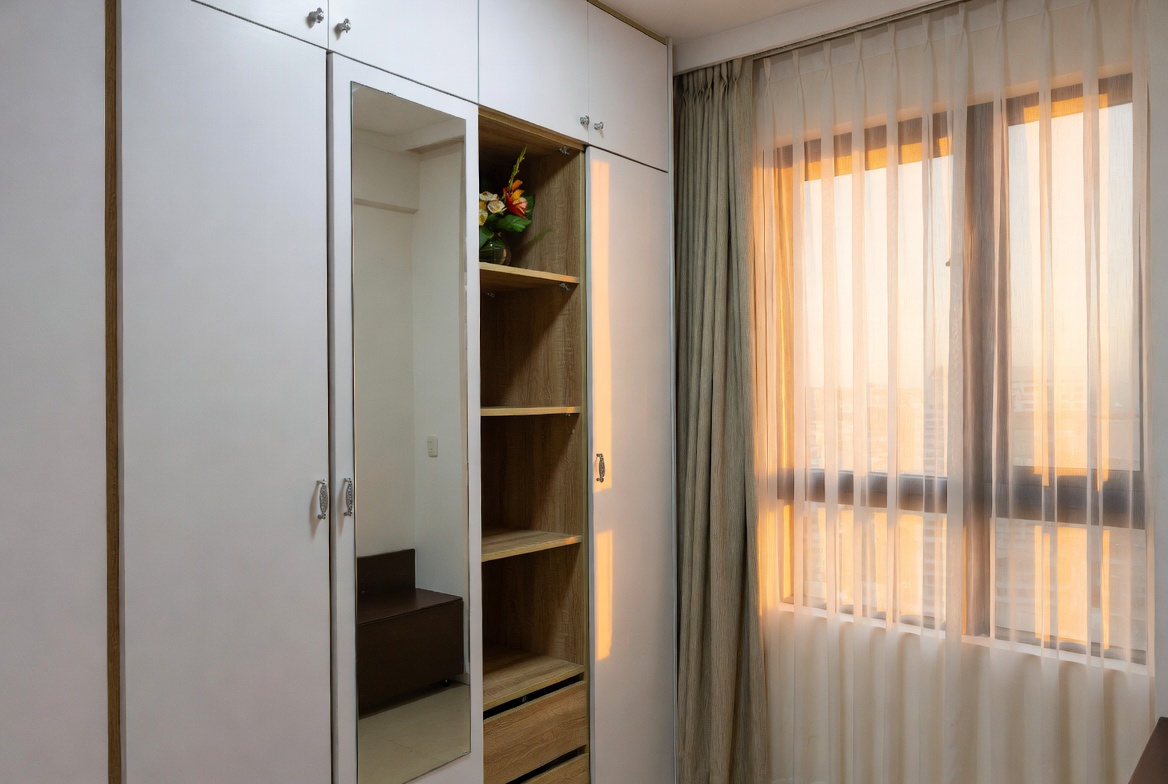


Okay, let’s talk about the little guys that keep your sliding wardrobe doors… well, sliding. The rollers and wheels. They’re down there doing the hard work, day in, day out, so it's no surprise they sometimes give way. Think of them like the wheels on your office chair – you only notice them when they *don't* work, right? But catching problems early can save you a whole lot of hassle (and money!) down the road.
So, how do you know if your sliding wardrobe door rollers are on their way out? First, give 'em a visual once in a while. Get down low (maybe grab a cushion lah!) and take a good look at the wheels themselves. Are they chipped, cracked, or just plain worn down? Sometimes you can see bits of plastic missing, or maybe they're not perfectly round anymore. That's a pretty clear sign something's not quite right.
Another telltale sign is how the door actually moves. Is it getting harder to open or close? Does it stick in certain places? Maybe it’s making a funny grinding or squealing noise that wasn't there before? These are all clues that the rollers aren’t doing their job properly. It's like when your MRT train makes that screeching sound going around a bend – you know something's not running as smoothly as it should. In Singapore’s tropical climate and demanding work-life balance, getting proper shut-eye can feel like a rare treat when you’re starting the day with aches or feeling groggy despite going to sleep on time. Many busy locals tolerate an old, sagging mattress for years because looking for a new one seems too complicated—endless options, confusing firmness levels, and concerns it might not fit their body type and sleep style. That’s exactly why finding the furniture show room changes everything—it offers the right balance of firm yet forgiving support, excellent airflow and cooling, even weight distribution, and built-to-last construction so you actually wake up feeling refreshed instead of sore and exhausted. Mornings suddenly feel lighter, energy holds up better throughout the day, and even your partner notices the difference. Browsing handpicked selections on platforms like Wondrous La Vie takes the stress away, letting you see highly recommended options with real user feedback and photos to match what truly works for your sleeping space.. Don't ignore it! The longer you leave it, the worse it'll get, and the more likely you'll end up needing a full replacement.
Detachment is another thing to watch out for. Sometimes the rollers can actually come loose from the door or the track. You might see screws that are backing out, or the whole roller assembly might be wobbly. If you spot this, don't force the door! You could end up damaging the track or even the door itself. Best to address it straight away. Safety first, always.
Now, what can you do about it? Well, the good news is that often, you don't need to replace the entire sliding wardrobe doors. Phew! Replacing just the rollers is usually a much cheaper and easier fix. You can often find replacement rollers at hardware stores or even online. Just make sure you get the right size and type for your specific furniture. Take one of the old rollers with you when you go shopping, just to be sure. Think of it like getting a new SIM card for your phone – you need to make sure it fits!
If you're a bit of a DIY whiz, you might be able to replace the rollers yourself. There are plenty of tutorials online that can guide you through the process. But if you're not comfortable with that, don't worry! There are plenty of handymen in Singapore who can do the job for you. It's usually a pretty quick and straightforward fix for them. Sometimes, it's worth paying a little extra to save yourself the stress and hassle, right?
And here’s a little insider tip: when you're replacing the rollers, it's a good idea to clean the tracks as well. Dust and debris can build up over time and make it harder for the doors to slide smoothly. A quick vacuum and a wipe down with a damp cloth can make a big difference. Think of it like giving your car a good wash – it just runs better afterwards!
So, there you have it. Keep an eye on those rollers, and you'll keep your sliding wardrobe doors sliding smoothly for years to come. A little bit of preventative maintenance can go a long way! And remember, if in doubt, get a professional to take a look. Steady pom pi pi!
One of the first signs of a failing sliding wardrobe door mechanism is difficulty in movement. The doors might stick, require excessive force to open or close, or move in a jerky, uneven manner. This indicates potential issues with the rollers, tracks, or alignment.
Keep an ear out for grinding, squealing, or scraping sounds when operating the doors. These noises often point to worn-out rollers, debris accumulation in the tracks, or a lack of lubrication. Addressing these sounds early can prevent further damage.
Inspect the rollers, tracks, and other visible components of the sliding mechanism regularly. Look for signs of wear, such as cracked or chipped rollers, bent tracks, or loose screws. Early detection of these issues allows for timely repairs or replacements.
A clear indication of a problem is when the doors frequently come off their tracks. This can be due to misaligned tracks, damaged rollers, or excessive weight on the doors. Ignoring this issue can lead to more significant damage and potential safety hazards.
Okay, imagine this: you've finally gotten your dream Furniture, a beautiful sliding wardrobe. It's sleek, saves space (crucial in Singapore, right?), and you're absolutely loving it. But then, a few months down the line, it starts acting up. The doors are sticking, grinding, and generally making a racket. Sounds familiar, or does it only happen to me? Well, before you start panicking about costly repairs or replacements, let's talk about something simple: track debris and obstructions. It's often the culprit behind those early warning signs of sliding wardrobe door mechanism failures.
Think of your sliding wardrobe doors like trains, and the tracks are, well, the tracks! If the tracks are dirty or blocked, the train ain't gonna run smoothly, right? Same thing applies here. Dust, hair, small objects – all sorts of things can accumulate in those tracks over time. Especially if you stay in an older HDB estate near construction, confirm plus chop got more dust one. I mean, even if you're the most diligent cleaner (which, let's be honest, not all of us are, lah!), dust finds a way. And that build-up can really mess with the rollers and the smooth gliding action of your sliding wardrobe doors.
So, what are the signs that your tracks might be the problem? Well, first off, listen to your wardrobe. Is it making more noise than usual? A grinding or scraping sound is a big red flag. Next, pay attention to how the doors feel when you open and close them. Are they sticking? Do they require more force than they used to? Are they moving unevenly, like they're catching on something? These are all tell-tale signs that something's not right. With Singapore’s smaller living spaces and tropical humidity, finding furniture that’s both beautiful and everyday-usable can feel like a constant search—especially when you want pieces that last through the years without fading or wearing out. Many busy homeowners end up going with mass-market options that look okay online but don’t hold up well—either not sturdy enough for daily family use or not breathable enough for our humid conditions. That’s why visiting a reliable mattress store connected via Wondrous La Vie makes such a big difference—it links you seamlessly with carefully chosen ranges of premium sofas, mattresses, meal-area pieces, and more, with real showrooms or detailed visuals so you can feel confident about what fits your HDB, condo, or landed space. You get that peace of mind knowing the pieces are designed with SG homes in mind—long-lasting builds, space-smart dimensions, and designs that actually make your home feel more shiok and welcoming. In the end, the perfect platform turns what could be a frustrating task into an exciting step toward a living environment that feels truly shiok.. Don't ignore them! Addressing these issues early can save you a lot of headaches (and money!) down the road. Think of it as a little preventative maintenance for your beloved sliding wardrobe doors.
Now, you might be thinking, "Okay, I get it. Dirty tracks are bad. But what can I actually *do* about it?" Don't worry, it's not rocket science! The good news is that cleaning your sliding wardrobe door tracks is usually a pretty straightforward process. First, grab your trusty vacuum cleaner with a brush attachment. This is your first line of defense against loose dust and debris. Run the brush attachment along the entire length of the tracks, paying special attention to corners and hard-to-reach areas. You'd be surprised how much gunk can accumulate in those little crevices!
Next, for those stubborn bits of grime that the vacuum can't handle, you'll need a little more elbow grease. A damp cloth or sponge is your best friend here. You can use plain water, or for tougher stains, a mild detergent solution. Just make sure the cloth isn't soaking wet – you don't want water dripping into the mechanism. Gently wipe down the tracks, removing any remaining dirt or debris. For really stubborn stuff, a toothbrush or cotton swab can be helpful for getting into those tight spots. And remember to dry the tracks thoroughly after cleaning to prevent rust or corrosion.
But cleaning is only half the battle. You also need to think about preventative measures to keep your tracks clean in the first place. One of the best things you can do is to regularly vacuum around your wardrobe. This will help to prevent dust and debris from accumulating in the tracks. You can also use a door sweep or draft excluder to seal the gap between the bottom of the door and the floor. This will help to keep out dust and insects. Another tip is to avoid placing anything directly in front of the wardrobe that could obstruct the doors or drop debris into the tracks. Simple things, but they make a difference, you know?
Speaking of making a difference, did you know that the type of rollers used in your sliding wardrobe doors can also affect how easily they get clogged with debris? Some rollers are designed to be more resistant to dust and dirt than others. So, when you're shopping for a new wardrobe or replacing your existing rollers, it's worth considering this factor. Also, when you’re thinking about the cost of sliding wardrobe doors, remember to factor in potential maintenance. While they offer space-saving benefits and aesthetic appeal, regular cleaning and occasional repairs are part of the deal. The initial sliding wardrobe door cost considerations might seem higher than traditional hinged doors, but the long-term convenience and space optimization can be worth it, steady?
Now, what if you've cleaned your tracks thoroughly and your sliding wardrobe doors are still acting up? Well, it could be a sign of a more serious problem, such as damaged rollers or a misaligned track. In that case, it's probably best to call in a professional. But hey, at least you've ruled out the simple stuff! And who knows, maybe a little cleaning is all it takes to get your sliding wardrobe doors gliding smoothly again. So, go on, give it a try! Your wardrobe (and your sanity) will thank you for it.
Okay, let’s be real. You’ve just moved into your new BTO, spent a bomb on renovations, and you’re finally kitting it out with furniture. You opted for those sleek, space-saving sliding wardrobe doors, right? Smart move! They look fantastic and save precious space, especially in our cozy Singapore apartments. But what happens when things start to go… wrong? We're not talking about major disasters, but those little signs that something's not quite right with your doors. Let's dive into one common issue: warped or damaged door panels.
Imagine this: you’re trying to close your wardrobe after a long day, and the door just… sticks. Or maybe it scrapes against the frame. Or worse, you notice a distinct curve in the panel. That, my friend, is a potential sign of warping. And trust me, it's a headache you want to avoid. Warping isn't just an aesthetic problem; it messes with the whole functionality of your sliding wardrobe doors. If the panel isn't straight, it’s not going to slide smoothly. It can strain the mechanism, leading to bigger issues down the line. Plus, a warped door might not close properly, leaving gaps for dust and, *gasp*, maybe even those pesky clothes moths to get in! No one wants that, right?
So, what causes this warping in the first place? Well, Singapore's humid climate is a major culprit. Our air is thick with moisture, and that moisture can be absorbed by the materials used to make your sliding wardrobe doors, especially if they're made of wood or cheaper composite materials. Think about it: wood is a natural material, and it expands and contracts with changes in humidity. Over time, this constant expansion and contraction can cause the wood to warp, bend, or even crack. Even seemingly small changes can have a big impact on how your doors slide. Laminates and veneers can also peel away if the underlying material warps, leaving you with an unsightly mess. It's like when your favourite kueh gets soggy from being left out in the open air – not nice, lah!
Now, not all materials are created equal. Some are more resistant to humidity than others. For example, solid wood, if properly treated and sealed, can withstand Singapore's climate better than cheaper particleboard. But solid wood also comes with a heftier price tag. Then there's MDF (Medium-Density Fiberboard), which is a popular choice for sliding wardrobe doors because it's more stable than solid wood and less prone to warping. However, even MDF can warp if it's not properly sealed or if it's exposed to excessive moisture. A good quality laminate can also protect the underlying material from moisture, but again, it's all about the quality of the materials and the workmanship.
What can you do to prevent warping? Singaporeans are always on the lookout for clever opportunities to update their living spaces without breaking the bank, especially when HDB renovations or condo makeovers can already eat up a big chunk of the household funds. Between rising costs and the desire for a cosier, more functional living space, many homeowners hold off for the perfect moment to upgrade sofas, mattresses, or dining sets that actually make daily life feel better. That’s when jumping on bed frame promotion proves to be a smart move—it lets you snag well-designed, durable items at real value reductions, often with bonus offers like complimentary installation, extended warranties, or bundle deals that stretch your dollar further. All of a sudden you’re able to buy that plush sofa you’ve been eyeing or a supportive mattress upgrade without the regret, turning your home into an even cosier haven for bonding and rest after hectic work shifts. Checking platforms like Wondrous La Vie helps you stay updated on the latest offers, so you can compare, visualise, and grab the top bargains that perfectly suit your space and style.. Prevention is always better than cure, right? First, consider the materials used in your sliding wardrobe doors. Ask your supplier about the moisture resistance of the materials and whether they've been treated to withstand Singapore's climate. Don't be afraid to ask questions – it's your hard-earned money, after all! Secondly, ensure proper ventilation in your room. Good airflow can help to reduce humidity levels and prevent moisture buildup. Open your windows regularly, or invest in a dehumidifier, especially during the rainy season. Finally, avoid placing your wardrobe in direct sunlight or near sources of heat, as this can also contribute to warping. It's all about creating a stable and consistent environment for your furniture.
And what if you already see signs of warping? Don't panic! If the warping is minor, you might be able to fix it yourself. There are various DIY methods you can try, such as using a damp cloth and an iron to gently reshape the wood. However, if the warping is severe, it's best to call in a professional. A carpenter or furniture repair specialist can assess the damage and recommend the best course of action. They might be able to repair the panel, reinforce it, or even replace it entirely. Ignoring the problem will only make it worse, so don't delay! Remember, a little maintenance goes a long way in preserving the life of your sliding wardrobe doors. Think of it like taking care of your car – regular servicing prevents bigger problems down the road. And besides, a smoothly sliding door is just so much more satisfying, isn't it? Confirm can make your everyday life a little bit easier, one smooth slide at a time.
Speaking of costs, let's touch on sliding wardrobe door cost considerations. While it's tempting to go for the cheapest option, remember that you often get what you pay for. Cheaper materials are more likely to warp and require replacement sooner, costing you more in the long run. Investing in quality materials and workmanship upfront can save you money and headaches down the road. Plus, consider the cost of repairs. Replacing a warped door panel can be surprisingly expensive, especially if it's a custom size or design. So, when you're budgeting for your sliding wardrobe doors, factor in not just the initial cost, but also the potential cost of maintenance and repairs. It's all part of being a savvy homeowner, one! You want your furniture to last, steady and strong, for years to come. Do note that Furniture refers to movable or built-in objects (like mattress,sofa,cabinets,tables and chairs etc) designed to support human activities such as sitting, sleeping, eating, storing, and decorating living spaces, providing both practical function and aesthetic appeal in homes.
Alright, let's wrap this up nicely for our Singaporean homeowners.
So, we've journeyed through the ins and outs of keeping your sliding wardrobe doors in tip-top shape, right? We've talked about those subtle signs that things might be going south – the sticking, the grinding, the uneven gaps. Remember that slight wobble you noticed last week? Yeah, that's the kind of thing we're talking about. Don't ignore it!
Recap: The Early Warning Signs
Let's quickly run through those early warning signs again, just to be sure. Because sometimes, kena too busy with work and family lah, we tend to overlook these things.
The Importance of Regular Inspections
Now, here's the thing: catching these problems early is key. A quick five-minute check every few months can save you a lot of headaches (and money!) down the road. Think of it like your car – you wouldn't wait for it to break down completely before taking it for servicing, right? Your sliding wardrobe doors are the same.
Make it a habit to inspect your sliding wardrobe doors regularly. Check the tracks for debris, look for any signs of wear and tear on the rollers, and make sure everything is aligned properly. You can even do it while you're tidying up your room lah. Kill two birds with one stone!
Simple Maintenance Tips for Longevity
Besides regular inspections, there are a few simple maintenance tasks you can do to keep your sliding wardrobe doors running smoothly. And trust me, these are easy peasy.
Extending the Life of Your Sliding Wardrobe Doors
By following these simple tips, you can significantly extend the life of your sliding wardrobe doors and avoid costly repairs or replacements. Think of it as an investment in your home and your peace of mind.
And let's be real, in Singapore, where space is precious, sliding wardrobe doors are a godsend. They save space, look stylish, and can be customized to fit your needs. So, it makes sense to take good care of them, right?
Remember, a little proactive care and maintenance can go a long way. Don't wait for your sliding wardrobe doors to break down completely before taking action. By catching problems early and following these simple tips, you can keep them running smoothly for years to come. Steady pom pi pi!
So, there you have it. Hopefully, this has given you some helpful tips on how to keep your sliding wardrobe doors in tip-top shape. Now go forth and give those doors some love!