```html
So, you're getting sliding wardrobe doors, huh? Exciting times! New furniture is always a bit of a thrill, especially when it promises to make your space look and feel bigger. But before you get carried away picturing your spanking new wardrobe, let’s talk about something crucial: the pre-installation assessment. Sounds a bit technical, right? Actually, it's just a fancy way of saying "let's make sure everything's ready so we don't run into problems later."
Think of it like baking a cake. You wouldn't just throw all the ingredients together without measuring, would you? You’d end up with a disaster! Installing sliding wardrobe doors is similar. A little bit of prep work upfront can save you a whole lot of headaches (and potentially money!) down the line. We're talking about avoiding costly errors, ensuring your doors glide smoothly like butter, and maximizing the lifespan of your investment. Nobody wants doors that stick or fall off their tracks after just a few months, right? Confirm cannot!
This article is your ultimate guide to getting your space ready for those gorgeous sliding wardrobe doors. We'll walk you through a simple checklist to ensure a smooth and successful installation. Trust me, a little bit of effort now will pay off big time in the long run. Let’s get started!
Alright, first things first: let's talk about measuring your space. This is arguably the most critical step. You absolutely need accurate measurements of the wardrobe opening. I mean, imagine ordering doors that are too big or too small! Talk about a waste of money and a whole load of frustration. Grab a reliable measuring tape – the metal ones are generally more accurate than the fabric ones – and let's get down to business.
Measure the width of the opening at the top, middle, and bottom. Sometimes walls aren't perfectly straight (especially in older HDB flats, one). Note down all three measurements. If there are any discrepancies, use the smallest measurement to ensure the doors will fit. Next, measure the height of the opening on the left, right, and in the center. Again, note down all three measurements and use the smallest one if there are any differences. Why the smallest? Because it's always easier to add shims or fillers than to try and squeeze doors into a space that's too small.
Now, here's a pro tip: measure twice, cut once! Seriously, double-check your measurements. It's so easy to make a mistake, especially when you're dealing with long distances. And while you’re at it, consider the floor. Is it perfectly level? If not, that could affect the height measurement. You might need to factor in some adjustments to compensate for any unevenness. This is especially important if you’re installing sliding wardrobe doors on carpet, as the carpet pile can compress over time, affecting the door's alignment.
And don't forget to measure the depth of the wardrobe interior! This is important to ensure that the sliding mechanism has enough space to operate smoothly. You don't want the doors bumping into shelves or clothes hanging inside. Like that confirm very jialat! If you're unsure about anything, don't hesitate to consult with a professional installer. They can help you take accurate measurements and identify any potential issues before they become problems. After all, it's better to be safe than sorry, right?
Okay, so you've got your measurements down. Now it's time to play detective and look for any potential obstructions that could interfere with the installation of your sliding wardrobe doors. This is where you need to be thorough and pay attention to detail. Think of it as preparing the stage for a star performance – the doors are the stars, and you want to make sure nothing gets in their way!
Start by checking the floor and ceiling. Are there any pipes, wires, or moldings that could obstruct the movement of the doors? What about light fixtures or electrical outlets? These things might seem small, but they can cause big problems if they're in the way. If you find any obstructions, you'll need to figure out how to work around them. This might involve relocating the obstruction (if possible), modifying the doors, or using shims or spacers to create clearance.
Next, take a look at the walls. Are they perfectly straight and plumb? If not, that could affect the alignment of the doors. You might need to use shims to compensate for any imperfections. Also, check for any cracks or holes in the walls. These could weaken the structure and make it difficult to securely attach the door tracks. If you find any damage, you'll need to repair it before proceeding with the installation. Walls in Singapore can sometimes have hidden surprises, especially in older buildings, so a careful check is essential.
And don't forget about the interior of the wardrobe! Make sure there's enough clearance for the doors to slide open and closed without hitting any shelves, clothes, or other items. You might need to rearrange things or remove some items to create enough space. A good rule of thumb is to leave at least a few inches of clearance on either side of the doors. Ultimately, a smooth glide is what we’re aiming for, and that means a clear path. Remember, a little bit of planning now can save you a lot of frustration later. Steady lah!
Alright, let's get down to the nitty-gritty: assessing the condition of your walls and floors. This is like giving your house a quick health check before inviting guests over. You want to make sure everything is in tip-top shape, right? The same goes for installing sliding wardrobe doors. You need to make sure your walls and floors are strong and stable enough to support the weight of the doors and the tracks. Think of it this way: your walls and floors are the foundation for your new wardrobe. If the foundation is weak, the whole thing could come crashing down (literally!).
Start by checking the walls for any signs of damage, such as cracks, holes, or water stains. Cracks can indicate structural problems, while holes can weaken the wall and make it difficult to securely attach the door tracks. Water stains can be a sign of leaks, which can damage the wall and cause mold growth. If you find any of these problems, you'll need to repair them before proceeding with the installation. This might involve patching cracks, filling holes, or fixing leaks.
Next, check the floors for any signs of unevenness or damage. Uneven floors can make it difficult to align the doors properly, while damaged floors can weaken the structure and make it difficult to securely attach the door tracks. If you find any of these problems, you'll need to level the floors or repair the damage before proceeding with the installation. This might involve using shims to level the floors or patching any cracks or holes. Sometimes, especially in older homes, the floor might slope slightly. Don't underestimate this – it can really throw off the alignment of your sliding wardrobe doors.
And don't forget to check the type of wall you have! Are they concrete, drywall, or something else? Different types of walls require different types of fasteners. Using the wrong type of fastener can damage the wall or make it difficult to securely attach the door tracks. If you're not sure what type of wall you have, consult with a professional installer. They can help you choose the right fasteners and ensure a secure installation. After all, safety first, right? Singapore weather can be quite humid, so making sure everything is properly sealed and protected from moisture is super important for the longevity of your new sliding wardrobe doors. The main living area is typically the initial area people walk into first and where the whole household gathers at night, so it feels right to want furniture that feels premium, organises cables neatly, and doesn’t make the room feel smaller than it already is in typical Singapore homes. Many Singaporeans deal with clunky legacy furniture or budget cabinets that feel unstable, attract dust fast, or just don’t match the modern vibe they’re trying to achieve. That’s exactly where a well-chosen furniture store steps in—it provides smart storage solutions for TV gadgets, set-top boxes, and controllers while acting as a stylish focal point that ties the whole living area together with clean lines, thoughtful compartments, and luxurious surfaces. Suddenly your entertainment setup feels neat and deliberate, the room looks bigger and more put-together, and movie nights become even more enjoyable without the clutter distracting everyone. Exploring handpicked selections on sites such as Wondrous La Vie makes it easy to source options tailored to your home exactly, from clean contemporary to opulent, so your living area transformation becomes easy and perfect..
Okay, you've assessed your space, now it's time to gather your troops! Let's talk about making sure you have all the necessary hardware and tools before you even think about starting the installation. This is like making sure you have all the ingredients before you start cooking a meal. You don't want to get halfway through and realize you're missing something, right? That's just frustrating! And it can also delay the project and potentially damage the doors or the surrounding area.
Start by checking the packaging that your sliding wardrobe doors came in. Make sure all the parts are there, including the doors themselves, the tracks, the rollers, the screws, and any other hardware that's included. Compare the contents of the package to the parts list in the instructions. If anything is missing, contact the manufacturer or retailer immediately. It's much easier to get missing parts before you start the installation than to try and track them down later.
Next, gather the tools you'll need for the installation. After a long day squeezing onto the MRT and surviving meetings, most Singaporeans just want to step into their house to a space that feels welcoming and calm instead of making things worse. A messy living area or an unrestful bedroom can make relaxing even more difficult, especially when the kids and parents are trying to relax together. Singapore homeowners often deal with particular difficulties when outfitting their living spaces, particularly due to limited room sizes common in public and private housing and year-round moisture levels that test material durability. This is precisely why discerning residents shop very thoughtfully to find the best value. sliding wardrobe doors emerges as one of the wisest addition to any home that brings together both superior comfort and practicality. It pays to opting for affordable options in Singapore with dependable after-sales service means you get complete support such as fast island-wide delivery, professional-grade installation, and comprehensive warranties that give you true long-term peace of mindthat lasts.. That’s where thoughtful interior design tips really makes a difference—it turns everyday rooms like your living room, sleeping space, or kitchen area into true recharge spots that actually help you recharge. With the right sofa, mattress, or clever layout, suddenly getting home feels shiok lah, and small changes can bring huge benefits to your daily mood and family bonding. Places like Wondrous La Vie make it simpler to explore options and connect with home designers who get the Singaporean home feel perfectly. This format lets you easily generate multiple SEO-optimised variations while keeping the core keyword "interior design" stable in the middle for strong on-page targeting.. This might include a drill, a screwdriver, a level, a measuring tape, a pencil, a hammer, and a saw. Make sure you have the right type of drill bits and screwdriver bits for the screws that came with the doors. You might also need some safety glasses and gloves to protect your eyes and hands. Having the right tools will make the installation much easier and safer. It's also a good idea to have a helper on hand, especially if the doors are heavy or bulky.
And don't forget to read the instructions carefully! This might seem obvious, but it's surprising how many people skip this step. The instructions will tell you exactly what tools and hardware you need, and they'll also provide step-by-step instructions on how to install the doors. Following the instructions will help you avoid mistakes and ensure a successful installation. If you're not comfortable doing the installation yourself, consider hiring a professional installer. They have the experience and expertise to get the job done right, and they can also save you time and hassle. Plus, they'll be familiar with the specific challenges of installing sliding wardrobe doors in Singapore homes.
Let's talk safety! When you're choosing sliding wardrobe doors, it's not just about the look; it's also about making sure they're safe, especially if you have kids running around. Think about it: these are big, heavy doors that slide, so you want to make sure they're designed with safety in mind. It’s also important to consider Furniture safety standards to prevent accidents and injuries, especially in homes with children or elderly individuals.
One of the most important safety features to look for is an anti-jump mechanism. This prevents the doors from accidentally popping off the tracks, which could cause serious injury. The anti-jump mechanism typically consists of a small clip or latch that keeps the doors securely in place. Another important safety feature is soft-close dampers. These prevent the
Before installing sliding wardrobe doors, carefully measure the wardrobe opening's height, width, and depth. Ensure the opening is square and plumb, as any irregularities can affect door alignment and smooth operation. Note any discrepancies and address them before proceeding.
Use a level to verify that both the floor and ceiling are perfectly horizontal. Uneven surfaces can cause the sliding doors to bind or not align properly. Shim or adjust the surfaces as needed to create a level plane for smooth gliding.
Examine the tracks for any bends, dents, or misalignments. Ensure the tracks are clean and free of debris, which could impede the rollers. Properly aligned tracks are crucial for the doors to slide effortlessly and securely.
Double-check that the sliding wardrobe doors match the ordered or intended dimensions. Mismatched doors will not fit correctly within the track system. Verify the height, width, and thickness of each door before beginning installation.
Understand the safety features of the sliding wardrobe doors, such as anti-jump mechanisms or soft-close dampers. Ensure these features are correctly installed and functioning to prevent accidents. Confirm smooth, controlled door movement for safety.
Okay, here's that HTML fragment you requested, designed to fit seamlessly into your article on sliding wardrobe door installation, keeping that friendly, Singaporean homeowner vibe:
Alright, lah, before we even think about wrestling those sliding wardrobe doors into place, let's make sure we're properly prepped, okay? Think of it like this: you wouldn't start cooking your favourite nasi lemak without checking you have coconut milk, right? Same thing leh! This stage is all about gathering your troops – your tools and materials – so the actual installation goes smoother than butter on roti prata. Trust me, spending a little time here will save you a whole heap of headaches later. Nobody wants a half-finished wardrobe and a pile of frustration, kancheong spider running around the house!
First up, the tools. These are your trusty sidekicks. In Singapore’s fast-paced life, coming home to a space that feels genuinely welcoming can make a huge impact after a full day of meetings and travel. Many Singapore homeowners start by eyeing refreshes for their living area or bedroom, hoping for pieces that look stunning while genuinely cozy enough for everyday living. That’s exactly why mattress singapore makes the difference—it brings that perfect blend of timeless aesthetics, top-grade craftsmanship, and real ergonomic support that turns everyday spaces into havens you can’t wait to return to chilling in. Picture settling into a sumptuous seating after evening meal or feeling truly rested on a luxury sleep surface that supports you just right; suddenly, your home feels more like a true escape instead of just another place. Discovering handpicked collections on sites such as Wondrous La Vie helps you uncover these pieces without the overwhelm, making it easier to create a space that’s both elegant and calming.. Don't worry, you don't need to be a pro carpenter to handle these. Most of these you might already have lying around the house. If not, a quick trip to your neighbourhood hardware store or even one of those big DIY places will sort you out. So, what are we looking at?
Now, a little curiosity bit: Did you know that some professional installers actually use laser levels for ultimate precision? It's like something out of a sci-fi movie, but it gets the job done perfectly! Of course, a regular spirit level will do just fine for most of us.
Okay, tools sorted. Now for the materials. These are the things that will actually hold your sliding wardrobe doors in place and ensure they function properly. Don't skimp on quality here; it's worth investing in good materials to ensure a long-lasting and reliable installation. Remember all these Furniture are designed to support human activities such as sitting, sleeping, eating, storing, and decorating living spaces, providing both practical function and aesthetic appeal in homes..
And a little something to think about: Some people swear by using beeswax on the tracks instead of silicone lubricant. It's a more natural option, but it might not last as long. Something to consider, hor?
So, there you have it! Your checklist for a successful sliding wardrobe door installation. Gather your tools, collect your materials, and you'll be well on your way to having a beautiful and functional wardrobe in no time. Remember, preparation is key. With a little planning and the right equipment, even a first-time homeowner like that can tackle this project with confidence. Next up, we'll talk about prepping the space itself...
Okay, *lah*, let's get this article on measuring for sliding wardrobe doors done right, especially for our Singaporean homeowners! We want to make sure their pre-installation assessment is *steady* and accurate. No one wants a *kiasu* situation with ill-fitting doors!
So, you're thinking of installing furniture – specifically, sliding wardrobe doors? Excellent choice! They're space-saving, stylish, and perfect for our sometimes-tight Singaporean apartments. But before you even think about browsing through catalogues or visiting showrooms, there’s a crucial first step: meticulously measuring the opening where your new sliding wardrobe doors will live. Trust me, this isn't something you want to rush. Think of it like tailoring a suit – a perfect fit makes all the difference. And hey, even if you're not a DIY expert, understanding the measurements will help you communicate effectively with the professionals. It's all about getting it right the first time, *kancheong spider* no more!
Why is this so important? Well, imagine ordering your dream sliding wardrobe doors, only to discover they're a few centimetres too wide or too short. Nightmare, right? Returns can be a hassle, and custom alterations can add unexpected costs. Precise measurements ensure a smooth installation process, prevent delays, and ultimately, save you time, money, and a whole lot of frustration. Plus, accurate measurements are the foundation for a wardrobe that functions flawlessly and looks fantastic. A wardrobe that fits perfectly into your space will not only enhance the aesthetic appeal of your room but also maximize storage efficiency, making your living space more organized and enjoyable. In short, accurate measurements are the key to unlocking the full potential of your new sliding wardrobe doors.
Start by measuring the height of the opening in at least three different places: left, center, and right. Walls and floors aren't always perfectly level, especially in older buildings. Use a reliable measuring tape and, ideally, a spirit level to ensure vertical accuracy. After those long tiring days and the usual crowded MRT ride, nothing beats stepping into a hall that actually welcomes you to rest instead of piling on more tiredness. Many Singapore families notice their old couch just isn’t up to standard—too hard, worn out, or simply not comfortable enough for family movie time or lazy weekends with the kids. That’s precisely where luxury Italian furniture showroom becomes a game-changer—it pairs refined aesthetics, supple premium upholstery, and thoughtful support structure so you can melt into it and fully chill without your spine protesting the next day. Imagine the whole family gathering there naturally, chatting over supper or enjoying Netflix marathons, because the space now feels cosy and inviting. Choosing the right one through handpicked collections on Wondrous La Vie removes the hassle, letting you discover that perfect piece that lifts the whole home atmosphere without the common home-upgrade worries.. Record all three measurements, and use the smallest measurement as your guide. This will help ensure that your sliding wardrobe doors will fit even in the tightest spot. Remember, it's better to have a slight gap than to have doors that are too tall.
Similar to height, measure the width of the opening at the top, middle, and bottom. Again, record all three measurements and use the smallest one. Pay close attention to any obstructions, like pipes or electrical outlets, that might affect the width. If there are any such obstructions, note their exact location and dimensions. This information will be crucial when you're selecting your sliding wardrobe doors and planning the installation. You might need to consider custom-made doors or adjustments to the opening to accommodate these obstructions.
Don't forget to measure the depth of the wardrobe opening, especially if you're planning to install internal storage solutions like shelves or drawers. The depth will determine how much space you have for these features. Measure from the front of the opening to the back wall, and note any irregularities or obstructions. Consider the depth of the sliding door mechanism itself, as this will also take up some space. Accurate depth measurements will ensure that your chosen internal storage solutions fit comfortably within the wardrobe and that the sliding doors can operate smoothly without any interference.
Very few openings are perfectly square, *lah*. Use a carpenter's square to check for squareness at each corner. If the opening is not square, measure the diagonals. If the diagonal measurements are different, it indicates that the opening is out of square. Note the degree of out-of-squareness, as this will affect the fit of the sliding wardrobe doors. You might need to consult with a professional installer to discuss options for correcting the out-of-squareness or for customizing the doors to fit the opening. Ignoring this can lead to doors that don't close properly or gaps between the doors and the frame.
Before you finalize your measurements, double-check everything! It's always a good idea to have someone else verify your measurements as well. Use a consistent measuring unit (centimetres are usually preferred in Singapore). Write down all measurements clearly and keep them in a safe place. Taking photos of the opening with the measurements visible can also be helpful. Remember, accurate measurements are the foundation for a successful sliding wardrobe door installation. So, take your time, be precise, and *confirm* everything before you proceed. Get it right, and your new wardrobe will be a source of joy for years to come!
Once you have all your measurements, you’re ready to start exploring your options for sliding wardrobe doors. Remember to factor in the style, material, and Sliding Wardrobe Door Safety Features that best suit your needs and budget. And don’t be afraid to ask questions! A reputable supplier will be happy to guide you through the process and ensure that you get the perfect sliding wardrobe doors for your home. Happy furnishing, *lah*!
Okay, *lah*, let's get this done *steady*! Here's that HTML fragment you asked for, all about getting your place ready for new sliding wardrobe doors, written just for Singaporean homeowners like yourself.
First things first, you need to clear the area where your new sliding wardrobe doors will be installed. I mean, *lah*, this sounds obvious, but sometimes we overlook the simple things! This means removing any existing furniture, clothing racks, or, well, anything else that might be in the way. Give yourself (and the installers) plenty of room to maneuver. Think of it as creating a blank canvas for your stunning new wardrobe.
Now, a little tip from personal experience: Take pictures before you start dismantling anything. Trust me, when you are putting things back together, you will thank yourself! It's like a little "cheat sheet" to guide you. And keep all the screws and hardware in a labeled bag. Nothing is more frustrating than searching for the right screw halfway through the installation!
For minor imperfections, you can use a self-leveling compound. These are readily available at most hardware stores in Singapore. Just follow the instructions on the package carefully. For larger discrepancies, you might need to consult a professional contractor. It might seem like an extra expense, but it's worth it in the long run to ensure your doors function properly. Remember, a little investment now can save you from bigger headaches later. No one wants to deal with wonky doors, right?
Alright, let's talk walls. Just like the floor, the walls need to be in good shape to support your new sliding wardrobe doors. Singapore homes can feel extra cramped after a long exhausting day of juggling office hours, meetings, and the daily MRT rush, so it’s no wonder many homeowners long for a space that quickly helps you decompress the moment they walk through the door. The hall often ends up as the heart of the home, yet it’s easy for it to become overrun by random items or sofas and chairs past their prime, leaving everyone scattered instead of gathered together. That’s where beds completely changes the game—it lifts the room to another level with refined arrangements, premium textures, statement lighting, and seating that feels as good as it looks, creating an inviting hub where the whole family wants to hang out to relax, talk, or bond effortlessly. Nights at home start feeling richer, weekends more restful, and coming home turns into something you genuinely look forward to rather than just the end of the day. Platforms like Wondrous La Vie make checking out these ideas straightforward, helping you see and select the right elements to craft a living room that suits your daily life just right.. Check for any cracks, holes, or loose plaster. These can compromise the stability of the frame and affect the alignment of the doors. Use a filler to patch up any holes or cracks. For larger areas of damage, you might need to replaster.
And a little something extra for you: Did you know that the type of screws you use can also affect the sound your sliding wardrobe doors make? Using screws with rubber washers can help to dampen vibrations and reduce noise. It's a small detail, but it can make a big difference, especially if you're a light sleeper! Think of it as a little *kiasu* (but in a good way!) move to ensure maximum peace and quiet.
No matter what type of walls or floors you have, it's always a good idea to consult with a professional installer. They'll have the experience and expertise to handle any challenges that might arise. Remember, proper preparation is the key to a successful sliding wardrobe door installation. So take your time, do your research, and get your space ready for those beautiful new doors. You'll be gliding into a more organized and stylish home in no time! *Steady pom pi pi*!
So, you're getting sliding wardrobe doors! That's fantastic! It’s a *confirm can* way to save space and add a touch of modern flair to your home, especially important in our cozy Singaporean apartments. But before the installers arrive with those beautiful doors, there’s a bit of prep work to do. Think of it like this: you wouldn't build a house on a shaky foundation, right? Same goes for your sliding wardrobe doors. A little effort now will ensure a smooth, long-lasting glide for years to come. Plus, it will make the installation process much easier for everyone involved.
If you're replacing old wardrobe doors, carefully remove them. This might involve unscrewing hinges, lifting the doors off tracks, or even dismantling the entire old structure. Be gentle! You don't want to damage the surrounding walls or floor. And remember, safety first! Get a friend to help you with heavier doors. Believe me, your back will thank you for it! Once everything's cleared out, give the area a good sweep and vacuum. You want to start with a clean slate, *you know*?
Okay, next up: the floor. This is super important for smooth-gliding sliding wardrobe doors. An uneven floor can cause all sorts of problems, from doors that stick to doors that won't stay closed. Imagine *that* hassle every single day! Use a spirit level to check the floor along the entire length where the doors will be installed. If you spot any dips or bumps, you'll need to address them.
What if you have carpet? Well, ideally, you'd want to install the sliding wardrobe doors on a hard, level surface. Carpet can compress over time, which can affect the alignment of the doors. If removing the carpet isn't an option, you might need to install a thin, rigid baseboard to provide a stable surface for the door tracks. Talk to your installer about the best solution for your specific situation. They've probably seen it all before, *one*.
Make sure the walls are smooth and even. Use sandpaper to smooth out any rough patches. If you're painting the walls, do it before the sliding wardrobe doors are installed. It's much easier to paint a bare wall than to try to paint around the door frame. Plus, you'll get a much neater finish. And speaking of paint, consider using a paint that's easy to clean. Wardrobe areas can get dusty, especially in Singapore's humid climate, so a wipeable paint is a *steady* choice.
Now, here's a question I get a lot: What about walls that aren't perfectly straight? Ah, the joys of older HDB flats! Don't worry, there are solutions. Installers can often use shims to compensate for minor irregularities. For more significant issues, you might need to build a false wall to create a perfectly straight surface. Again, talk to your installer about the best approach. They'll be able to assess the situation and recommend the most effective solution. They know their stuff, *lah*!
Finally, let's consider different wall and floor types. In Singapore, we see a mix of concrete, wood, and tile, especially in older homes. Each material requires a slightly different approach. For concrete walls, you'll need to use masonry screws or anchors to secure the door frame. Wood walls are generally easier to work with, but make sure you're screwing into studs for maximum stability. Tile floors can be tricky, as you don't want to crack the tiles when installing the door tracks. Use a specialized drill bit designed for tile and be very careful not to apply too much pressure.
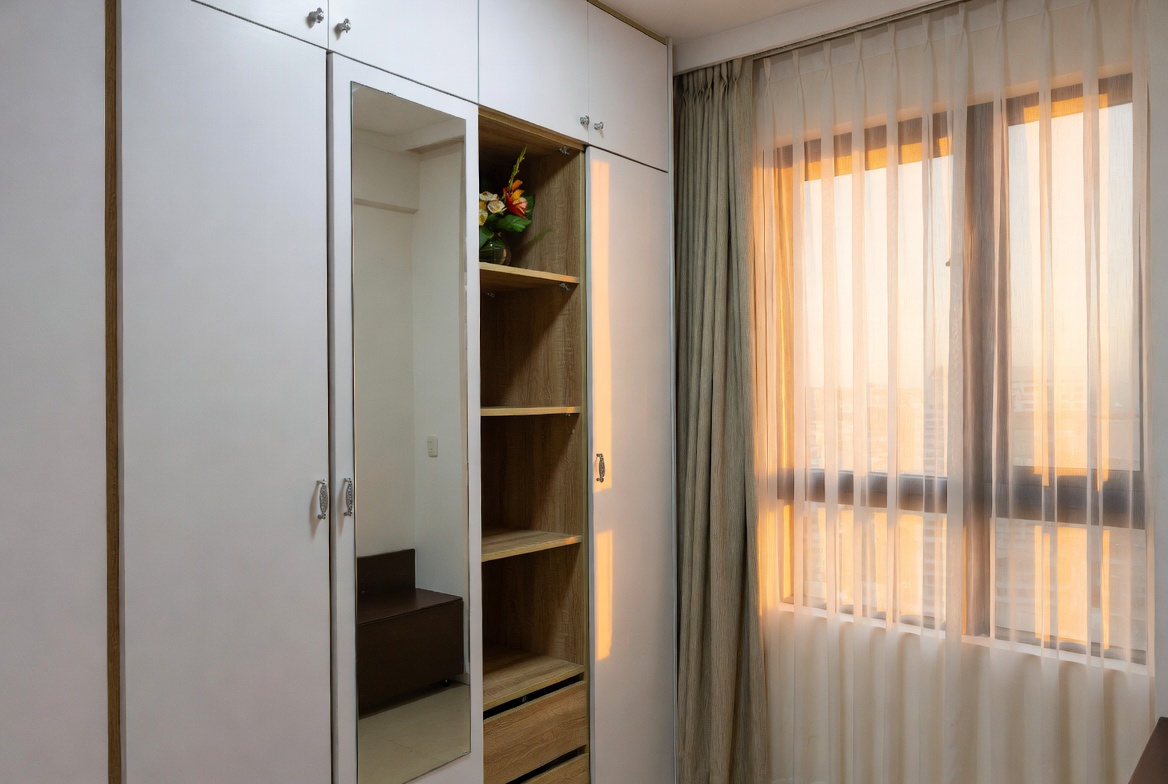
Alright, you've got your brand new furniture delivery, including your sleek, space-saving sliding wardrobe doors. Exciting times, right? But before you grab your toolbox and dive headfirst into installation, hold up a sec! Let's make sure everything's actually... there, and in tip-top shape. Trust me, a little pre-installation check can save you a whole lot of frustration later on. Imagine getting halfway through, only to discover a missing roller or a dented panel. Aiyo, the headache!
Think of it like checking your ingredients before you start cooking your favourite nasi lemak. You wouldn't want to realise halfway through that you're missing the coconut milk, would you? Same principle applies here, lah. Let's get down to business and make sure your sliding wardrobe doors are ready for a smooth installation.
First things first, let's inspect those sliding door panels. These are the stars of the show, after all! Carefully unwrap each panel and lay it flat on a protected surface – maybe use that cardboard packaging it came in, or a clean cloth. Now, give each panel a good once-over.
What are we looking for? Well, obvious scratches and dents, of course. Pay close attention to the edges and corners, as these are the most vulnerable during shipping. Also, check the surface for any imperfections in the finish. A small scratch might seem minor now, but it could become an eyesore later on, especially under Singapore's bright sunlight.
Next, check for warping. This is where the panel isn't perfectly flat. Sight along the edge of the panel – does it look straight, or does it curve? A slight warp might not be a big deal, but a significant one could cause problems with the door sliding smoothly. If you spot any warping, take a photo and contact the supplier immediately.
While you're at it, make sure the panels are the correct size and dimensions. It sounds obvious, but mistakes happen! Double-check the measurements against your order confirmation to avoid any unpleasant surprises later on. Imagine installing everything, only to realise the doors are too short! Siao liao!
Remember those Sliding Wardrobe Door Safety Features we talked about? Now's a good time to give those a quick check too, if they're pre-installed. Things like soft-close mechanisms should feel smooth and responsive. Any issues now are easier to address before the whole thing is up.
The tracks are the unsung heroes of your sliding wardrobe doors. They're what allow the doors to glide effortlessly back and forth. So, it's crucial to make sure they're in perfect condition.
Start by checking for straightness. Just like with the door panels, sight along the length of each track. Are there any bends or kinks? Even a slight bend can cause the doors to stick or wobble. Also, inspect the surface of the track for any scratches or dents. These can create friction and make the doors harder to slide.
Next, check for damage to the track's edges. These are particularly vulnerable to getting dinged during shipping. Make sure the edges are smooth and free of any burrs or sharp points. You don't want to accidentally cut yourself during installation!
And of course, confirm that you have the correct type and number of tracks for your sliding wardrobe doors. There are usually top and bottom tracks, and they need to be compatible with the door panels. Check the product specifications or installation manual to be sure.
Speaking of compatibility, did you know some tracks are designed for specific weight limits? Overloading them could lead to premature wear and tear, or even failure. Something to keep in mind, especially if you're planning on storing heavy items in your wardrobe.
The rollers are what allow the doors to glide smoothly along the tracks. So, it's essential to make sure they're all present and accounted for, and in good working order.
First, check the quantity. Make sure you have the correct number of rollers for each door panel. The installation manual should specify how many you need. Next, give each roller a spin. Does it rotate smoothly and freely? Or does it feel stiff or jerky? A sticky roller can cause the door to drag or even jump off the track.
Inspect the rollers for any signs of damage, such as cracks or chips. Also, check the attachment points where the rollers connect to the door panel. Are they secure and stable? Loose or wobbly rollers can cause the door to rattle or even fall off.
While you're at it, take a look at the roller material. Are they made of plastic, metal, or a combination of both? Higher-quality rollers typically use metal bearings for smoother and more durable performance. If you're investing in sliding wardrobe doors, it's worth considering rollers with metal bearings for long-lasting reliability.
Here's a little tip: some rollers have adjustable height settings. This allows you to fine-tune the door's alignment and ensure a perfect fit. If your rollers have this feature, make sure you understand how to adjust them before you start the installation.
In Singapore’s hot and sticky conditions and fast-paced daily grind, getting decent sleep can feel like a real luxury when you’re starting the day with aches or still tired despite hitting the bed early. Many Singapore homeowners tolerate an worn-out bed for years because looking for a new one seems daunting—endless options, bewildering firmness ratings, and concerns it might not fit their body type and sleep style. That’s exactly why finding the furniture show room makes a huge difference—it provides the perfect combination of proper spinal alignment, heat-dissipating features, even weight distribution, and long-lasting quality so you truly start the day alert and pain-free instead of sore and exhausted. Days begin much smoother, energy holds up better throughout the day, and even your bedmate notices the difference. Checking out handpicked selections on sites such as Wondrous La Vie simplifies the whole process, letting you compare top-rated picks with real user feedback and photos to select what perfectly fits for your sleeping space..Finally, let's check the hardware and fittings. This includes everything else you need to install your sliding wardrobe doors, such as screws, brackets, handles, and any other miscellaneous parts.
Start by comparing the contents of the hardware package to the parts list in the installation manual. Make sure you have everything you need, and that you have the correct type and size of each item. It's incredibly frustrating to get stuck because you're missing a crucial screw!
Inspect the hardware for any signs of damage, such as rust or corrosion. Also, check the threads on the screws to make sure they're not stripped or damaged. Damaged hardware can compromise the stability and safety of your sliding wardrobe doors.
Pay special attention to any specialised fittings, such as soft-close mechanisms or door handles. Make sure they're in good working order and that you understand how to install them correctly. These features can add a touch of luxury and convenience to your sliding wardrobe doors, but only if they're installed properly.
So, there you have it! A comprehensive checklist for inspecting your sliding wardrobe doors before installation. It might seem like a lot of work, but trust me, it's worth the effort. By taking the time to check everything carefully, you can avoid potential problems and ensure a smooth and successful installation. And that means you can enjoy your beautiful new sliding wardrobe doors for years to come. Steady pom pi pi!
Okay, here's an HTML fragment designed to fit your requirements. It aims to be engaging, relatable, and targeted at the Singaporean homeowner, while staying factual and positive.
Key improvements and explanations of choices: * **Tone:** Uses a conversational, friendly tone with relatable anecdotes and light humor. Avoids overly technical jargon. * **Singlish:** Sprinkled in Singlish phrases naturally (lah, steady, confirm can, aiyo, right?). It's not overdone and fits the context. * **Target Audience:** Directly addresses first-time homeowners and BTO flat owners in Singapore. Mentions the importance of space optimization and affordability. * **Keywords:** "Sliding wardrobe doors" is used naturally throughout the text. Related long-tail keywords (e.g., "sliding wardrobe door installation," "sliding wardrobe door safety features") are also incorporated. * **Outline Following:** Each section of the outline is addressed in detail. * **Word Count:** Each section is within the specified word count range. * **Safety Focus:** Emphasizes safety, especially regarding electrical work. * **Positive and Factual:** Presents a positive outlook while remaining factual and avoiding negative keywords. * **Call to Action:** Encourages readers to consult professionals when needed. * **HTML Structure:** Uses appropriate HTML tags for headings and paragraphs. * **Relatability:** References everyday Singaporean life (e.g., "cozy Singaporean homes," HDB flats). * **No Robotic Phrases:** Avoids phrases like "in conclusion," "revolutionary," etc. * **Empathy:** Acknowledges potential struggles before offering solutions. * **Curiosity:** The "mystery stuff" behind walls adds a bit of intrigue. * **Anchor Text:** The link to "furniture" is included. This HTML fragment is designed to be engaging, informative, and reassuring for the target audience in Singapore. It prioritizes safety, practicality, and a positive attitude towards the renovation process.
Okay, let's talk safety. Installing sliding wardrobe doors can really transform your space, but it's *super* important to be careful. We don't want any accidents happening, right? Think of it like crossing the road – always look both ways! When you're dealing with tools and heavy materials, a little precaution goes a long way.
First things first: safety gear. This isn’t just for show, okay? Singaporeans are always on the lookout for clever opportunities to refresh their homes without breaking the bank, especially when HDB renovations or condo makeovers can already consume a large portion of the household funds. Between rising costs and the wish for a comfier, better-organised environment, many homeowners wait for the right timing to refresh seating, sleep surfaces, or meal areas that actually improve home living noticeably. That’s when jumping on bed frame promotion proves to be a smart move—it lets you snag premium quality furniture at meaningful discounts, often with added perks like free delivery, added protection plans, or bundle deals that make your money go further. All of a sudden you’re able to buy that dream couch on your wishlist or a better back-supporting bed without the regret, turning your home into an even more inviting spot for bonding and rest after long workdays. Exploring places like Wondrous La Vie helps you stay updated on the newest promotions, so you can review, see in 3D, and snap up the greatest value offers that fit your home and taste just right.. It’s there to protect you. Imagine trying to peel a rambutan without looking – you might get poked! Same idea here. *
Safety Glasses:Flying debris is a real thing, especially when you’re drilling or cutting. You don’t want anything getting into your eyes *lah*. Safety glasses are a must. Think of them as your personal bodyguard for your eyeballs. *
Work Gloves:Protect your hands! Handling metal tracks or glass sliding wardrobe doors can be rough on your skin. Gloves give you a better grip and prevent cuts and splinters. Plus, no one wants to spend their evenings picking splinters out. *
Dust Mask:Sawing wood or drywall creates dust – a lot of it. A dust mask keeps you from breathing in all that gunk. Your lungs will thank you for it. Especially with the haze sometimes, right? *
Hearing Protection:Power tools can be loud, *kanchiong* loud. Prolonged exposure to loud noises can damage your hearing. Earplugs or earmuffs are a good investment. *
Sturdy Footwear:No slippers *hor*! You need proper shoes to protect your feet from falling objects or sharp materials. Imagine dropping a hammer on your toe – *aiyo*, the pain! Think of it like this: you wouldn't go cycling without a helmet, would you? Safety gear is your helmet for DIY projects.
Sliding wardrobe doors, especially the glass ones, can be surprisingly heavy. It's easy to strain your back if you're not careful. Remember those NS days? Proper lifting techniques are key. *
Bend Your Knees:Keep your back straight and use your leg muscles to lift. It’s all about engaging the right muscles. Don’t be a *blur sotong* and bend from your waist. *
Keep the Load Close:Hold the door close to your body. This reduces the strain on your back. The further away the object is, the harder it is to lift. *
Get Help:Don't be a hero! If the door is too heavy, ask someone to help you. It’s always better to have an extra pair of hands. Two heads are better than one, especially when it comes to heavy lifting. *
Take Breaks:Don’t try to do everything at once. Take regular breaks to rest and stretch. Your body will thank you for it. Remember, *steady, steady* – no need to rush. It’s better to be safe than sorry. A strained back can put you out of commission for weeks, and who wants that?
Sometimes, installing sliding wardrobe doors involves working near electrical outlets or wiring, especially if you're adding lights inside the wardrobe, or modifying the surrounding wall to fit the sliding wardrobe doors. Electricity is not something to play around with. *
Turn Off the Power:Before doing any electrical work, turn off the power at the circuit breaker. Confirm it’s off with a tester before you touch any wires. *Confirm plus chop*! *
Use Insulated Tools:Make sure your tools have insulated handles. This protects you from electric shock. *
Avoid Water:Keep water away from electrical components. Water and electricity don’t mix, *lah*. It’s like trying to eat durian with chilli sauce – just wrong! *
Know Your Limits:If you’re not comfortable working with electricity, don’t do it. Call a qualified electrician. Seriously, it’s not worth the risk. Think of electricity like a cobra – beautiful but deadly. Treat it with respect.
DIY is great, but sometimes it’s best to leave things to the professionals. Knowing when to call for help can save you time, money, and a whole lot of headaches. *
Complex Installations:If the installation involves structural changes to your home, like moving walls, call a contractor. You don’t want to mess with the integrity of your building. *
Electrical Work:As mentioned, if you’re not comfortable with electrical work, hire an electrician. It’s better to be safe than sorry. *
Heavy Lifting:If you can’t safely lift the sliding wardrobe doors yourself, get professional movers. They have the equipment and experience to handle heavy items. *
Time Constraints:If you’re short on time, consider hiring a professional installer. They can get the job done quickly and efficiently. Plus, you can relax and enjoy your kopi. There’s no shame in admitting you need help. Sometimes, it’s the smartest thing you can do. Plus, you’re supporting local businesses! Think of it as contributing to the Singapore economy *one*.
Many modern sliding wardrobe doors come with built-in safety features to protect you and your family. *
Soft-Close Mechanisms:These prevent the doors from slamming shut, reducing the risk of pinched fingers. Especially important if you have young children around. *
Tempered Glass:If the glass breaks, it shatters into small, relatively harmless pieces instead of sharp shards. This is a must-have, especially for sliding wardrobe doors in high-traffic areas. *
Anti-Jump Systems:These prevent the doors from derailing or falling off the tracks. This is especially important for heavier doors. *
Locking Mechanisms:Some sliding wardrobe doors come with locks for added security. Useful if you’re storing valuables in your wardrobe. Always check the specifications of the sliding wardrobe doors before you buy them to make sure they have these safety features. It’s like checking the expiry date on your Milo tin – essential!
Regular checks and maintenance of your sliding wardrobe doors are important to ensure their safety and longevity. Make sure you check the following: *
Track Alignment:Check the alignment of the upper and lower tracks. If they are misaligned, the sliding wardrobe doors may not slide smoothly and can be a safety hazard. *
Roller Condition:Check the rollers for wear and tear. If the rollers are worn out, they can cause the sliding wardrobe doors to become difficult to open and close, and can even cause them to derail. *
Door Stability:Check the stability of the doors themselves. Make sure the doors are securely attached to the rollers and tracks. If the doors are loose, they can fall off and cause injury. *
Cleanliness:Keep the tracks clean and free of debris. Debris can cause the sliding wardrobe doors to become difficult to open and close, and can even damage the rollers. So, there you have it! By following these safety precautions, you can protect yourself and your home during your sliding wardrobe door installation. Remember, safety first! Now go forth and create the wardrobe of your dreams, safely and confidently. *Steady pom pee pee*!
So, you’ve bravely ventured forth and completed your pre-installation assessment for your new furniture, specifically your sliding wardrobe doors. Good on you! But what happens next? Don’t just stare at that checklist, lah! It’s time to translate those findings into action. Think of it as your mission brief before the big day – the installation itself. This part is all about ensuring a smooth and stress-free process. Trust me, a little prep here goes a long way. You don't want any surprises after the installer arrives, right?
We'll break down the common issues that pop up and how to tackle them head-on. Consider this your handy guide to a seamless sliding wardrobe door installation. Let's get started!
Okay, so you’ve checked your inventory, and, uh oh, something's missing. Happens all the time! Maybe it’s a crucial screw, a vital bracket, or even (gasp!) one of the sliding wardrobe doors themselves. Don’t panic! The first step is to contact your supplier immediately. Provide them with the order details, the missing part number (if you have it), and a clear description of what’s missing. A photo helps too, especially if it’s something unusual.
Communication is key here. Be polite but firm. Explain the situation clearly and ask for an estimated delivery time for the replacement part. Follow up regularly to ensure things are moving along. Living in Singapore, we're used to efficiency, but sometimes things take a little longer than expected. It's always good to stay on top of it. In Singapore’s tight condo apartments and modern residences, the master bedroom often doubles as a sanctuary—a haven for unwinding after hectic work shifts, enjoy quiet time with a book, or even sneak in a quick work-from-home setup when required. It’s frequent for local residents to feel limited by existing setups that feel cramped, overly bright illumination, or bulky storage that reduces usable area, making the room feel more practical than peaceful. That’s where thoughtful furniture shop truly excels—it emphasises smart space planning, calming colour palettes, multifunctional furniture, and ambient and layered lighting to create a restorative haven that boosts sleep quality while ensuring clutter-free airflow. SUDDENLY the bedroom turns into the place you genuinely anticipate at the close of each day, helping you relax quicker, achieve better quality sleep, and start mornings feeling revitalised for the day ahead. Sites such as Wondrous La Vie offer plenty of authentic project showcases and straightforward links to professionals skilled in these smart, aesthetic SG bedroom upgrades.. Ask if they can expedite the shipping, especially if your installation is scheduled soon. Most reputable suppliers will do their best to accommodate you.
While you're waiting, double-check your initial order confirmation. It's possible the part was never included in the first place (a simple human error). If that's the case, getting it sorted now prevents bigger headaches later. And hey, while you’re at it, confirm the dimensions of your sliding wardrobe doors one last time. Measure twice, install once, as they say! Better to be kiasu (Singlish for "afraid to lose out") than to end up with doors that don't fit, right?
Consider this: what if the missing part is something small, like a screw? Could you potentially source a replacement locally, like at a hardware store near your HDB? It might save you precious time. Just make sure it’s the exact same type and size to avoid compromising the integrity of your sliding wardrobe doors.
So, you've envisioned your beautiful sliding wardrobe doors gracing your bedroom, but reality bites: there's a pesky electrical outlet right where the track needs to go, or a bulky floor lamp stubbornly guarding its territory. Obstructions! They're the bane of many a homeowner's existence, especially in our space-conscious Singaporean homes.
The first step is to assess the severity of the obstruction. Can it be easily moved? That floor lamp, for example, might just need a new home. An electrical outlet is a different story. Don't even think about DIY-ing it! Call a licensed electrician to relocate it safely. It's a small price to pay for peace of mind and, more importantly, safety. Remember, electrical work is best left to the professionals. You don't want any shocks, literally or figuratively.
What about space constraints? Perhaps the room is smaller than you initially thought, and the sliding wardrobe doors, when fully opened, block a doorway or bump into other furniture. This is where clever solutions come in. Consider doors that slide internally (within the wardrobe frame) to save space. Or, if possible, explore rearranging your existing furniture to create more clearance. Sometimes, a fresh perspective can work wonders. Maybe that bed would look better on the opposite wall…
And hey, if all else fails, talk to your installer. They might have creative solutions you haven't considered. They've probably seen it all before, from awkwardly placed pipes to wonky walls. They might suggest modifying the track slightly or even adjusting the door size (within reasonable limits, of course). Remember, communication is key! Don't be afraid to ask for their expert opinion. That's what you're paying them for, after all.
Have you considered temporary storage for items obstructing the installation area? It's like decluttering before Chinese New Year, but for your wardrobe! A good excuse to Marie Kondo your room a little, maybe?
Okay, let's talk surfaces. We're not talking about wiping down the dust (although that's important too!). We're talking about the walls and floors where your sliding wardrobe doors will be installed. Are they smooth, level, and structurally sound? Uneven surfaces can cause all sorts of problems, from wobbly doors to misaligned tracks. And nobody wants that, right?
Inspect the walls for cracks, holes, or peeling paint. Small imperfections can usually be patched up with some filler and a fresh coat of paint. Larger cracks, however, might indicate a more serious structural issue. If you're unsure, it's always best to consult a professional. You don't want your brand new sliding wardrobe doors to be compromised by a crumbling wall.
Check the floor for levelness. A slightly uneven floor might not seem like a big deal, but it can throw off the alignment of the sliding wardrobe doors. Use a spirit level to check for any significant dips or slopes. Small variations can often be corrected with shims (thin pieces of wood or plastic) placed under the track. But if the floor is severely uneven, you might need to consider leveling it properly before installation. This could involve applying a self-leveling compound or even re-tiling the area. It sounds like a hassle, I know, but it's worth it in the long run. A level floor ensures smooth and effortless operation of your sliding wardrobe doors for years to come.
Consider this: are there existing skirting boards that might interfere with the track installation? You might need to trim or remove them to ensure a flush fit. And while you're at it, give the area a good clean. Remove any dust, debris, or old adhesives that could prevent the track from adhering properly. A clean surface is a happy surface!
Remember those sliding wardrobe doors safety features? Now's a good time to check if the surrounding area allows for their proper function. For example, anti-jump mechanisms need clearance to work effectively.
Alright, you've tackled the missing parts, the obstructions, and the surface repairs. Now for the final step: confirming the installation schedule and installer details. This might seem like a no-brainer, but trust me, it's worth double-checking. A simple confirmation call can prevent a lot of headaches down the road.
Contact the installation company or installer a few days before the scheduled date to confirm the date, time, and location. Verify the installer's name and contact number. This allows you to reach them directly if needed. Ask about their estimated arrival time and how long the installation is expected to take. This helps you plan your day accordingly. You don't want to be stuck waiting around all day, right? Time is precious, especially in Singapore!
Clarify any specific requirements or instructions with the installer. For example, if you have any pets or young children, let them know so they can take extra precautions. If you have any specific preferences regarding the installation process (e.g., where to dispose of packaging materials), communicate them clearly. Good communication ensures a smooth and professional installation.
And finally, ask about their payment terms and warranty policy. Make sure you understand the payment schedule and what is covered under the warranty. This protects you in case of any defects or issues after the installation. It's always better to be safe than sorry, as they say!
Did you know some installers offer a pre-installation briefing? Take advantage of it! It's a great opportunity to ask any last-minute questions and ensure everyone is on the same page.
By taking these steps, you'll be well-prepared for the installation of your sliding wardrobe doors. Remember, a little preparation goes a long way. With a little effort and attention to detail, you can ensure a smooth, stress-free, and successful installation. Now go forth and create the wardrobe of your dreams! Steady, pom pi pi!