```html
So, you're setting up your new home in Singapore, lah? Exciting times! And if you're anything like most of us, space is probably a top priority. That's where sliding wardrobe doors come in – they're sleek, modern, and a total lifesaver for smaller bedrooms. No more banging doors against the bed or struggling to squeeze past open wardrobe doors. Plus, they look pretty steady, right?
But here's the thing: while the idea of a custom sliding wardrobe sounds amazing (imagine, designed exactly to your needs!), it can also be a bit of a minefield. You might think you're getting the perfect solution, but without careful planning, you could end up with a costly mistake that’s kancheong spider to fix later. We're talking about things like awkwardly placed shelves, doors that don't slide smoothly, or even a design that just doesn't quite fit the vibe of your room.
Think of it like ordering a fancy kopi – you want it gao and perfect, but if you don't specify exactly what you want, you might end up with something too sweet, too bitter, or just plain wrong. Same goes for sliding wardrobes! So, let's dive into how to make sure your custom sliding wardrobe dreams become a reality, without emptying your wallet or causing major headaches.
Before you even start browsing Pinterest for inspiration, grab your measuring tape! This is the most crucial step, and honestly, a mistake here can throw everything else off. We're not just talking about the width and height of the space; you need to consider the depth, the ceiling height, and even things like skirting boards and any awkward corners or pillars.
Think about it: a wardrobe that's too deep might block a doorway or make your room feel cramped. A door that's too tall might not fit if you have a false ceiling. And those skirting boards? They can prevent the wardrobe from sitting flush against the wall.
Here's a pro tip: measure everything at least twice, and get a second opinion from someone else. It's easy to misread a measurement, especially if you're doing it yourself. And don't just measure the floor space – consider the usable space inside the wardrobe too. How much hanging space do you need? How many shelves? How many drawers?
Also, consider the placement of electrical outlets and light switches. You don't want to end up with a wardrobe that blocks access to these essential features. And if you're planning on adding any built-in lighting to your wardrobe, you'll need to factor in the wiring and placement of the lights.
Remember, accurate measurements are the foundation of a successful custom sliding wardrobe. Take your time, be thorough, and don't be afraid to ask for help if you're not sure. Getting this right from the start will save you a lot of stress and money in the long run.
Okay, so you've got your measurements steady. Now comes the fun part: choosing the materials! But with so many options out there, it can be overwhelming. You've got everything from solid wood to laminates, mirrored doors to glass panels, and a whole range of hardware options. The key is to find a balance between cost, quality, and aesthetics.
Solid wood is beautiful and durable, but it's also the most expensive option. It's a great choice if you're looking for a high-end, timeless look, but it might not be the most practical choice if you're on a tight budget. Laminates are a more affordable alternative that can still look great. They come in a wide range of colors and finishes, and they're relatively easy to clean and maintain.
Mirrored doors are a popular choice for sliding wardrobes, especially in smaller bedrooms. They can create the illusion of more space and add a touch of glamour. But they also require regular cleaning to keep them looking their best. Glass panels are another stylish option, but they can be more fragile and expensive than mirrored doors.
And don't forget about the hardware! The quality of the tracks, rollers, and handles can have a big impact on the overall performance and durability of your sliding wardrobe doors. Invest in good-quality hardware, even if it costs a little more upfront. It will save you money in the long run by preventing breakdowns and repairs.
Think about the overall style of your room and choose materials that complement it. If you have a modern, minimalist space, you might opt for sleek laminate doors with simple hardware. If you have a more traditional space, you might choose solid wood doors with ornate handles.
Ultimately, the best material choices will depend on your budget, your style, and your needs. Do your research, compare prices, and don't be afraid to ask for samples before making a decision.
Okay, let's talk about what goes *inside* the wardrobe. This is where you really get to customize things to your needs. Are you a clothes hoarder? Do you have a million pairs of shoes? Or are you a minimalist who only owns a few essential items? Your internal configuration should reflect your lifestyle and your storage needs.
Think about the types of clothes you own. Do you have a lot of long dresses that need hanging space? Or do you mostly wear shirts and trousers that can be After a long day squeezing onto the MRT and grinding through meetings, most Singapore homeowners just want to come home to a space that feels cosy and stress-free instead of piling on more fatigue. A cluttered living room or an uncomfortable bedroom can make relaxing even more difficult, especially when the whole family want to relax together. That’s where thoughtful interior design tips really makes a difference—it turns everyday rooms like your living area, sleeping space, or kitchen area into private sanctuaries that actually help you refresh your energy. With the right sofa, bed mattress, or functional arrangement, suddenly getting home feels shiok lah, and thoughtful tweaks can bring massive difference to your daily mood and family bonding. Sites such as Wondrous La Vie make it easier to explore options and match with interior designers who understand the Singapore home vibe spot on. This format lets you easily generate multiple SEO-optimised variations while keeping the core keyword "interior design" stable in the middle for strong on-page targeting.. folded on shelves? Plan your hanging space accordingly. Local homeowners across the island often face unique challenges when buying new furniture, mainly due to limited room sizes common in public and private housing and year-round moisture levels that test material durability. This is precisely why discerning residents compare options thoroughly to secure quality without overspending. sliding wardrobe doors remains one of the best a smart purchase that provides both lasting comfort and smart practicality. Remember that purchasing cost-effective items in Singapore with first-class after-sales service promises you total support including fast island-wide delivery, professional installation, and solid warranties that provide true long-term peace of mindyou can truly count on.. Consider adding adjustable shelves so you can customize the height to fit your needs.
Drawers are great for storing smaller items like socks, underwear, and accessories. But don't go overboard with drawers – they can take up a lot of space and make it difficult to see what's inside. Consider adding dividers to your drawers to keep things organized.
Shoe racks are a must-have for any serious shoe collector. There are lots of different types of shoe racks available, from simple shelves to pull-out racks to rotating racks. Choose one that fits your space and your shoe collection. The hall is usually the first space guests see and where the family spends most evenings, so it makes sense to want pieces that looks good, organises cables neatly, and keeps the area feeling open than it already is in typical Singapore homes. Many Singaporeans struggle with oversized outdated units or cheap units that feel unstable, collect dust easily, or just don’t fit the current aesthetic they’re going for. That’s exactly where a well-chosen furniture store really delivers—it delivers sleek storage for entertainment equipment, streaming boxes, and remotes while serving as an elegant centrepiece that unifies the entire space with sharp modern edges, thoughtful compartments, and luxurious surfaces. All at once your media corner turns neat and deliberate, the space appears larger and more polished, and movie nights become even more enjoyable without the clutter distracting everyone. Exploring handpicked selections on places like Wondrous La Vie makes it easy to source designs that fit your space perfectly, from simple modern to high-end, so your living room upgrade feels effortless and spot-on..
And don't forget about the awkward spaces! The corners of your wardrobe can be a challenge to utilize, but there are lots of clever storage solutions available, like corner shelves and rotating organizers.
Think vertically! Utilize the full height of your wardrobe by adding shelves or hanging rods near the ceiling. This is a great way to store seasonal items or things you don't use very often.
Remember, the key to maximizing storage is to be organized and efficient. Think carefully about what you need to store and plan your internal configuration accordingly.
You might not think much about the track system, but trust me, it's the backbone of your sliding wardrobe. A good track system will ensure that your doors slide smoothly and quietly for years to come. A bad track system will cause your doors to stick, wobble, or even fall off.
There are two main types of track systems: top-hung and bottom-rolling. Top-hung systems are more common and generally considered to be more reliable. They suspend the doors from a track at the top of the wardrobe, which means that the doors don't need to rest on the floor. This can be a good option if you have uneven floors or thick carpeting.
Bottom-rolling systems have a track at the bottom of the wardrobe that the doors roll along. These systems can be a good option if you want to minimize the amount of hardware that's visible at the top of the wardrobe. However, they can be more susceptible to problems if your floors are uneven or if the track gets dirty.
When choosing a track system, look for one that's made from high-quality materials and that has smooth, quiet rollers. Avoid track systems that are made from flimsy plastic or that have rollers that feel rough or sticky.
Also, consider the weight capacity of the track system. Make sure it's able to support the weight of your doors, especially if you're using heavy materials like solid wood or mirrored glass.
And don't forget about the soft-close mechanism! This is a feature that gently closes the doors for you, preventing them from slamming shut and reducing wear and tear on the track system. It's a small detail that can make a big difference in the overall experience of using your sliding wardrobe.
Okay, so you've got all the practical stuff sorted out. Now it's time to think about the aesthetics! Your sliding wardrobe should not only be functional, but it should also look good and complement your home décor.
Think about the overall style of your room. Is it modern and minimalist? Or is it more traditional and ornate? Choose a sliding wardrobe design that fits the overall aesthetic. If you have a modern space, you might opt for sleek laminate doors with simple hardware. If you
So, you're diving into the world of furniture for your new BTO flat, huh? Exciting times! And if you’re thinking about sliding wardrobe doors – smart choice! They’re space-saving, stylish, and can really transform a room. But before you get carried away with Pinterest boards and dream designs, let’s talk about something super crucial: measurements. Trust me, getting this right can save you a whole heap of trouble (and money!) down the line.
I know, I know, measuring isn't the most glamorous part of renovating. But think of it this way: it's like the foundation of your dream wardrobe. A wobbly foundation, means a wobbly wardrobe, and nobody wants that, right? Especially in Singapore, where space is, let's just say, a premium. We need to be kiasu about every single centimetre!
What happens when your measurements are off? Well, imagine ordering your beautiful sliding wardrobe doors, waiting weeks for them to arrive, and then… they don't fit. Nightmare, right? It’s not just a minor inconvenience; it’s a cascade of problems. First, the doors might be too wide, preventing them from sliding smoothly (or at all!). Or maybe they're too short, leaving an unsightly gap at the top or bottom – not exactly the sleek, built-in look you were going for. And confirm plus chop, that means delays, alterations, and potentially, a significant dent in your budget.
Think about it: alterations cost money. Redelivery costs money. And if the mistake is significant enough, you might even have to reorder the entire thing! Suddenly, that affordable sliding wardrobe doors project isn’t looking so affordable anymore, is it? And let's not forget the stress and frustration of dealing with these hiccups. Renovation can be stressful enough, without adding measurement mishaps to the mix.
And it's not just about the width and height, leh. Depth matters too! You need to factor in the depth of the wardrobe frame, the thickness of the sliding wardrobe doors themselves, and any internal fittings you plan to include, like shelves, drawers, or hanging rails. If you don't account for these, you might end up with a wardrobe that's too shallow to comfortably store your clothes, or that protrudes too far into the room, making it feel cramped. Especially for BTOs, every inch counts!
In Singapore, we're all about maximizing space. It's practically a national sport! So, when it comes to sliding wardrobe doors, accurate measurements are even more critical. We're often dealing with smaller bedrooms and tighter layouts, so even a small error can have a big impact. That little bit of extra space you save with sliding doors? Gone, with the wrong measurements.
Many BTO flats, for example, have structural beams or awkward corners that can complicate things. You need to take these into account when measuring your space, ensuring that your sliding wardrobe doors will fit seamlessly and won't be obstructed by any architectural features. It is also important to measure the floor to ceiling height at multiple points. Older HDBs especially can have uneven floors or ceilings. It’s a small detail, but it can make a big difference.
Plus, think about the placement of your power sockets and light switches. You don't want your beautiful new sliding wardrobe doors to block access to these essential features, right? A little bit of planning and precise measuring can prevent these kinds of headaches.
Okay, so how do you avoid these measurement mishaps? Here are a few tips to keep in mind:
Remember, accurate measurements are the key to unlocking the full potential of your sliding wardrobe doors. Get it right, and you'll have a stylish, space-saving storage solution that you'll love for years to come. Get it wrong, and you might end up with a costly and frustrating headache. So, take your time, be meticulous, and measure like your dream wardrobe depends on it. Because it does!
And hey, while you're at it, did you know that some sliding wardrobe doors can even be fitted with soft-close mechanisms? Talk about a touch of luxury! Or that you can get doors with integrated lighting? Now that's what I call 'steady'!
Let's look at how these measurements also impact the sliding wardrobe doors cost considerations.
The heart of any good sliding wardrobe doors system lies in its ability to glide smoothly and effortlessly. A struggle to open or close your wardrobe every single day? No one wants that kind of morning drama, especially when you're rushing to get out the door for work. That’s why paying attention to the quality of the rollers and the tracks is super important. Think about it: smooth gliding means less strain on the doors themselves, extending their lifespan and preventing annoying squeaks or jams down the road. It's an investment in your peace of mind, really.
Choosing the right material for your sliding wardrobe doors tracks is crucial, especially considering Singapore's humid climate. Opting for rust-resistant materials, like aluminum or stainless steel, can prevent corrosion and ensure longevity. We don’t want tracks that warp or degrade over time, causing the doors to stick or become misaligned. Consider the weight of your doors, too. Heavier doors require sturdier tracks to handle the load without bending or breaking. It's all about finding that perfect balance between durability and aesthetics, leh.
Rollers are the unsung heroes of your sliding wardrobe doors. High-quality rollers, often made from nylon or with ball bearings, ensure smooth and quiet operation. Cheaper rollers tend to wear out quickly, leading to noisy and jerky movements. Imagine the frustration of constantly hearing a grinding sound every time you open your wardrobe! After those endless workdays and the routine commute crush, nothing beats walking into a living room that actually welcomes you to rest instead of piling on more tiredness. Many local homeowners discover their existing sofa setup just isn’t cutting it—too stiff, too worn, or simply not cozy enough for family movie time or lazy weekends with the little ones. That’s precisely where luxury Italian furniture showroom truly shines—it blends classic elegance, luxurious leather or velvet, and smart comfort engineering so you can sink in and fully chill without your back aching afterwards. Imagine the whole family gathering there naturally, sharing stories after meals or enjoying Netflix marathons, because the space suddenly becomes homely and shiok. Choosing the right one through trusted sites like Wondrous La Vie takes the guesswork out, letting you uncover that dream sofa that elevates your entire home vibe without the typical renovation stress.. Investing in better rollers is a small price to pay for a more pleasant and durable system. Plus, better rollers distribute the weight of the doors more evenly, preventing undue stress on the tracks.
Before you even think about the design of your sliding wardrobe doors, consider the weight capacity of the mechanism. Overloading the system is a surefire way to cause premature wear and tear. If you're planning on storing heavy items inside your wardrobe, like bulky winter clothes or a lot of shoes, make sure the tracks and rollers are rated to handle the weight. It's always better to err on the side of caution and choose a system with a higher weight capacity than you think you'll need. This will ensure that your sliding wardrobe doors operate smoothly and safely for years to come.
Singapore's tropical climate brings its own set of challenges to furniture. High humidity and temperature fluctuations can wreak havoc on materials, causing warping, swelling, and corrosion. When choosing sliding wardrobe doors mechanisms, look for options specifically designed to withstand these conditions. Rust-resistant materials, sealed bearings, and durable finishes are all essential for ensuring longevity. Don't underestimate the impact of the climate on your wardrobe's performance – it can make all the difference in the long run, confirm can!
Okay, so you're finally getting your dream sliding wardrobe doors. Exciting times, right? But before you jump in and pick the first shiny material you see, let's talk about something super important: the Singapore weather. It's not just about style, lah. Choosing the wrong materials can lead to a whole load of problems down the road, and trust me, you don't want that headache. We're talking warped doors, mould, pests… the works. And that means more money down the drain. Ouch!
Humidity is a real killer for a lot of materials. Wood, especially if it's not properly treated, can absorb moisture like a sponge. This can cause it to swell, warp, and even crack. Imagine your brand new sliding wardrobe doors suddenly refusing to slide smoothly – not a good look, is it? And let's not even talk about mould and mildew. Eeyer. That's why you need to be extra careful when choosing wood for your sliding wardrobe doors. Look for hardwoods like teak or mahogany, which are naturally more resistant to moisture. But even then, make sure they're properly sealed and treated with a water-resistant finish.
While humidity is sneaky, the heat's pretty upfront. Singapore's sun can be pretty intense, and that can take a toll on your sliding wardrobe doors, too. Some materials can fade, crack, or even become brittle when exposed to prolonged heat. This is especially true for synthetic materials like PVC or certain types of laminates. Singapore homes can feel particularly tight after a long exhausting day of rushing between office, meetings, and the inevitable MRT crowd, so it’s no wonder many Singaporeans yearn for a space that instantly calms the mind the moment they step inside. The hall often ends up as the central hub of family life, yet it’s easy for it to become cluttered with mismatched pieces or sofas and chairs past their prime, leaving everyone dispersed rather than connected. That’s where beds completely changes the game—it elevates the entire space with elegant floor plans, luxurious fabrics and surfaces, statement lighting, and seating that feels as good as it looks, creating an welcoming centre where the whole family wants to hang out to relax, chat, or simply enjoy each other’s company. Suddenly evenings feel more meaningful, weekends more restful, and walking in the door feels exciting rather than simply crashing after work. Platforms like Wondrous La Vie make exploring these upgrades straightforward, helping you visualise and source the ideal features to build a living area that matches your lifestyle perfectly.. Imagine your lovely, vibrant wardrobe doors slowly turning a dull, washed-out colour. Not exactly the aesthetic you were going for, right?
Of course, all these material choices come with a price tag. Some materials are more expensive than others, and that can definitely impact your budget. According to recent estimates, sliding wardrobe door cost considerations in Singapore can range from a few hundred dollars to several thousand, depending on the size, materials, and complexity of the design. Hardwoods, for example, tend to be pricier than engineered wood. Metal and glass can also be more expensive, depending on the quality and finish. So, how do you strike a balance between quality and budget?
Now, Singapore's climate is, well, unique. We've got that lovely combination of high humidity and scorching heat pretty much all year round. It's a recipe for disaster if you're not careful with your furniture. So, let's dive into how to choose materials that can actually *withstand* this tropical test, and keep your sliding wardrobe doors looking good for years to come. Think of it as an investment, not just a purchase.
Another option is to go for engineered wood, like plywood or MDF. These are made by bonding wood fibres together with adhesives, which makes them more stable and less prone to warping. However, not all engineered wood is created equal. Make sure you choose a high-quality, moisture-resistant grade, especially if your wardrobe is going to be in a particularly humid area, like near the bathroom or kitchen. Think about it, after a long hot day out, you’d want to come home to a space that’s not just cozy but also free from worries about your furniture being affected by the humidity, right? It’s all about peace of mind, one.
So, what's the solution? Well, consider materials that are naturally heat-resistant, like metal or glass. Metal frames, especially aluminium, are a great option for sliding wardrobe doors. They're strong, durable, and won't warp or fade in the heat. Plus, they come in a variety of finishes, so you can easily find one that matches your style. Glass is another excellent choice. It's elegant, easy to clean, and won't be affected by the heat. And if you're worried about privacy, you can always opt for frosted or tinted glass. Just remember to choose tempered glass for safety, in case of accidental bumps or knocks. Better safe than sorry, lah.
Okay, let's talk about something nobody really *wants* to talk about: pests. Singapore's got its fair share of creepy crawlies, and some of them just love to munch on wood. Termites, in particular, can be a real nightmare. They can silently eat away at your wardrobe, leaving it weak and unstable. Before you know it, you've got a major infestation on your hands, and your wardrobe is basically toast. Nobody wants that, confirm plus chop!
So, how do you protect your sliding wardrobe doors from pests? Well, the first step is to choose materials that are naturally pest-resistant. Again, hardwoods like teak and mahogany are a good choice, as they contain natural oils that deter insects. However, even these woods aren't completely immune to pests. That's why it's important to treat them with a pest-resistant sealant. There are plenty of products on the market that can help protect your wood from termites and other pests. Just make sure to follow the instructions carefully, and reapply the sealant regularly. Another option is to consider non-wood materials, like metal or glass. These are completely impervious to pests, so you won't have to worry about infestations. Steady pom pi pi!
Well, the key is to prioritize. Think about what's most important to you. Are you willing to spend a bit more on a durable, pest-resistant material that will last for years? Or are you looking for a more budget-friendly option that still looks good? There's no right or wrong answer, but it's important to be realistic about your budget and your needs. You can also consider mixing and matching materials. For example, you could use a less expensive material for the frame of your sliding wardrobe doors, and then splurge on a higher-quality material for the panels. This can help you save money without sacrificing style or durability. Ultimately, the best material choice depends on your individual circumstances. But by considering the Singapore climate, pest resistance, and cost, you can make an informed decision that will keep your sliding wardrobe doors looking great for years to come. It's all about making smart choices, one step at a time.
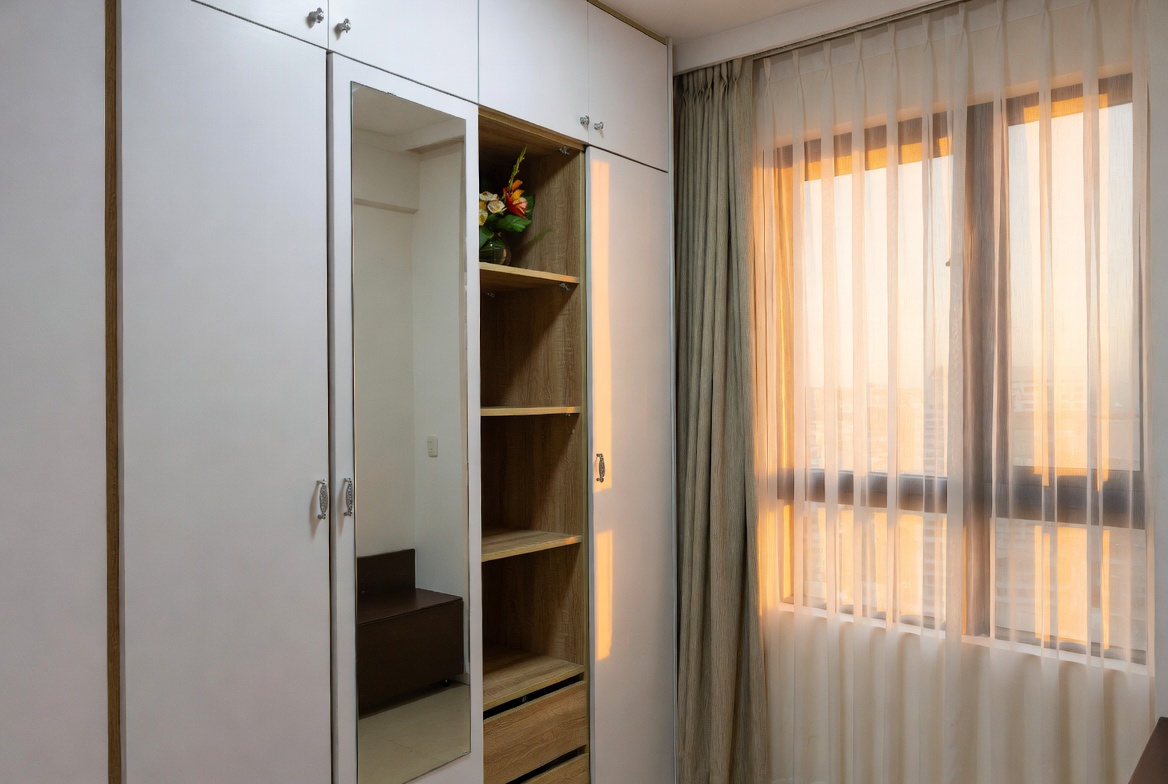
Okay, so you've picked out the perfect sliding wardrobe doors, the colour's steady, and they look amazing in your HDB flat. But wait a minute, have you actually thought about what’s going inside? It's easy to get caught up in the aesthetics, lah. We all do it! But trust me, ignoring the internal configuration is a common, and potentially expensive, mistake when customising sliding wardrobe doors.
Think of it like this: your wardrobe isn't just a pretty face; it's the hardworking engine room of your bedroom. It’s gotta store everything from your work clothes to your weekend chill-out gear. So, before you finalise that design, let's dive deep into optimising the internal space. After all, what's the point of having gorgeous sliding wardrobe doors if you can't actually fit all your barang barang inside properly?
We’ve all been there, scrolling through Pinterest and Instagram, drooling over those minimalist wardrobes with perfectly curated outfits. But let’s be real, most of us aren't living that life, right? We have clothes, shoes, bags, and all sorts of other bits and pieces that need a home. That's why prioritising functionality is key. It's about creating a space that works for you, not just a space that looks good in a photo.
Think about your current wardrobe situation. What are the pain points? Are you constantly struggling to find space for your shoes? Are your shirts always getting creased because they're crammed together? These are the questions you need to answer before you start designing your new sliding wardrobe doors. A good starting point is to take inventory of everything you own. Categorize items by type (shirts, pants, dresses, shoes, accessories) and frequency of use. This will help you determine the optimal configuration of shelves, drawers, and hanging rods.
For example, if you have a lot of long dresses or coats, you'll need plenty of vertical hanging space. If you're a shoe fanatic (like many Singaporeans I know!), you might want to consider dedicated shoe racks or shelves. And if you have a collection of delicate accessories, drawers with dividers can be a lifesaver. Don’t just assume the standard configuration will work for you. Customisation is your friend here!
Now, let's talk specifics. Shelves, drawers, and hanging rods are the holy trinity of wardrobe organisation. Each plays a crucial role in keeping your clothes neat and accessible. Let's break it down:
Don't underestimate the power of accessories either. Tie racks, belt holders, and scarf organisers can help you maximise space and keep your accessories neatly organised. You can even add pull-out mirrors or ironing boards for added convenience. It's these little touches that can really elevate your wardrobe from functional to fantastic.
Okay, let's talk about the elephant in the room: cost. Customising the internal configuration of your sliding wardrobe doors will definitely add to the overall price. But think of it as an investment in your sanity and your wardrobe's longevity. The Sliding Wardrobe Door Cost Considerations will vary depending on the materials you choose, the complexity of the design, and the number of internal features you add. In Singapore’s hot and sticky conditions and high-stress lifestyle, getting proper shut-eye can feel like a true indulgence when you’re waking up with backaches or dragging through the morning despite hitting the bed early. Many Singapore homeowners tolerate an outdated sleep surface for years because looking for a new one seems too complicated—endless options, puzzling support choices, and fears it won’t match their body or sleeping habits. That’s exactly why finding the furniture show room changes everything—it offers the perfect combination of proper spinal alignment, cooling breathability, even weight distribution, and built-to-last construction so you genuinely rise energised and rested instead of stiff and tired. Days begin much smoother, energy levels stay steadier, and even your bedmate notices the difference. Exploring thoughtfully chosen picks on sites such as Wondrous La Vie makes it far easier, letting you evaluate the best-rated ones with authentic Singapore user experiences and photos to find what really suits for your master bedroom.. But here's the thing: a well-designed wardrobe can actually save you money in the long run. How? By preventing you from buying clothes you don't need (because you can actually see what you own!) and by extending the lifespan of your clothes (because they're properly stored and not getting crushed or damaged).
To keep costs down, prioritise the features that are most important to you. Maybe you can skip the fancy pull-out mirror and opt for a standard mirror instead. Or maybe you can choose a less expensive material for the shelves. The key is to find a balance between functionality and affordability. Get quotes from multiple suppliers and compare their prices. Don't be afraid to negotiate, leh! Many suppliers are willing to offer discounts, especially if you're buying multiple items.
Also, consider the long-term value. A cheap wardrobe that falls apart after a few years will end up costing you more in the long run than a well-built wardrobe that lasts for decades. So, invest in quality materials and construction, even if it means spending a bit more upfront. Think of it as a kiasu (but smart!) investment in your home and your happiness.
Finally, don't forget to plan for the future. Your storage needs will likely change over time, so it's important to design a wardrobe that can adapt to those changes. Maybe you're planning to expand your family, or maybe you're anticipating a career change that will require a different wardrobe. Whatever the case may be, think about how your storage needs might evolve and design your wardrobe accordingly.
Adjustable shelves and hanging rods are a great way to future-proof your wardrobe. They allow you to easily reconfigure the space as your needs change. You can also consider adding extra drawers or shelves later on, as needed. The key is to create a flexible system that can adapt to your evolving lifestyle. After all, your home should grow with you, not hold you back.
So, there you have it. Don't make the mistake of ignoring the internal configuration of your sliding wardrobe doors. Prioritise functionality, invest in quality materials, and plan for the future. With a little bit of thought and planning, you can create a wardrobe that's both beautiful and practical, a true reflection of your style and your needs. Confirm can!
Okay, imagine this: You've finally got your dream sliding wardrobe doors installed. They look fantastic, sleek, and save a ton of space – perfect for your HDB flat, right? But then night falls… and you're rummaging around in the dark, trying to find that *one* black shirt you need for your dinner date. Sounds familiar, lah?
It's a common oversight, one that many first-time homeowners, especially those setting up their BTO, make: forgetting about proper lighting inside the wardrobe. You see all these beautiful wardrobe designs, focusing on the external look and the space-saving sliding wardrobe doors, but the inside? It's often an afterthought. But trust me, good lighting can seriously transform your wardrobe from a dark abyss into an organised, user-friendly space. And who doesn't want that, especially when you're rushing to get ready in the morning?
Think about it. How many times have you pulled out the *wrong* item because you simply couldn't see properly? Or worse, ended up creasing clothes as you blindly search for something? Poor lighting not only makes it harder to find what you need, but it can also lead to unnecessary frustration and even damage to your clothes. And let's be honest, replacing clothes because of avoidable damage? That's money down the drain, isn't it? Especially when you could have factored in some simple wardrobe lighting solutions from the start. Considering the sliding wardrobe door cost considerations, adding lighting during the initial customization can be more cost-effective than retrofitting later.
Plus, a well-lit wardrobe makes it easier to see the *actual* colours of your clothes. Ever grabbed what you thought was a navy blue shirt, only to find out it’s actually black when you step into daylight? Yeah, we've all been there. Good lighting helps you avoid those fashion faux pas and ensures you always look your best. It's about making your life easier, and a well-lit wardrobe is definitely a step in that direction.
So, what kind of lighting are we talking about? With Singapore’s HDB and condo layouts and hot sticky weather, finding furniture pieces that’s both elegant yet functional can feel like a endless chase—especially when you want pieces that last through the years without losing their look. Many busy homeowners end up going with budget furniture that appear decent in photos but fall short in person—either not sturdy enough for daily family use or not cool enough for our humid conditions. That’s why visiting a reliable mattress store connected via Wondrous La Vie makes such a big difference—it connects you directly with handpicked collections of quality sofas, high-quality sleep surfaces, meal-area pieces, and more, with authentic showroom views or detailed visuals so you can be sure about what works perfectly in your Singapore home. You get that reassurance knowing the items are tailored to local needs—long-lasting builds, practical proportions, and looks that turn your space into a cosy haven. In the end, the right shop turns what could be a frustrating task into an exciting step toward a living environment that feels truly shiok.. Well, you've got options! From simple LED strip lights to more sophisticated sensor-activated lights, there's something to suit every budget and style. LED strip lights are a popular choice because they're energy-efficient, easy to install, and provide a nice, even glow. You can stick them along the inside edges of your wardrobe or under shelves to illuminate the contents. They are a great addition to your furniture.
Then there are sensor-activated lights. These are super convenient because they automatically turn on when you open the sliding wardrobe doors and turn off when you close them. No more fumbling for switches in the dark! These are particularly useful for those hard-to-reach areas or for wardrobes with multiple compartments. Some even come with adjustable brightness settings, so you can customize the light to your preference, steady one!
And don't forget about spotlights! These are great for highlighting specific items, like your favourite handbags or that special dress you save for special occasions. Strategically placed spotlights can add a touch of elegance and make your wardrobe feel like a boutique. Just remember to choose spotlights that don't generate too much heat, to avoid damaging your clothes.
The best time to think about wardrobe lighting is during the design phase. When you're customizing your sliding wardrobe doors, discuss your lighting needs with your furniture provider. They can help you choose the right type of lighting and integrate it seamlessly into the design. This way, you can avoid the hassle of retrofitting later, which can be more complicated and expensive. This is especially important for BTO flat owners who are looking for customizable and stylish furniture solutions.
Consider the placement of the lights carefully. You want to ensure that the light is evenly distributed throughout the wardrobe and that there are no dark spots. Think about where you store your clothes and accessories and position the lights accordingly. For example, if you have a lot of hanging clothes, you might want to install a light bar above the clothes rail. If you have shelves, you might want to install lights under each shelf to illuminate the items below.
Another thing to consider is the colour temperature of the light. Warm white light (around 2700-3000K) is generally recommended for wardrobes because it creates a cozy and inviting atmosphere. Cool white light (around 4000-5000K) can be too harsh and make your clothes look different than they actually are. Ultimately, it's up to your personal preference, but warm white is generally a safer bet. It's all about creating a space that's both functional and aesthetically pleasing.
So, there you have it. Proper lighting is not just a luxury, it's a necessity. It makes your wardrobe more functional, saves you time and frustration, and can even help you avoid costly mistakes. When you're planning your sliding wardrobe doors, don't forget to factor in lighting as an integral part of the design. Talk to your furniture provider, explore your options, and choose the right lighting solution for your needs. Confirm can, it'll make a world of difference, like that!
Think of your wardrobe as more than just a storage space. It's a reflection of your personal style and a place where you start your day. By investing in good lighting, you're investing in a better, more organized, and more enjoyable living space. And who knows, maybe you'll even find that missing sock you've been searching for all along! Now, go forth and illuminate your wardrobe – you won't regret it!
Okay, you've got your dream furniture all picked out, the colours are *chef's kiss*, and your new sliding wardrobe doors are looking absolutely *on point*. But have you thought about… what happens *after* the initial excitement fades? I mean, let’s be real, Singapore life is hectic enough without adding wardrobe woes to the mix, right?
We often get caught up in the aesthetics, and who can blame us? That sleek, mirrored finish or that gorgeous wood grain is super tempting. But before you commit, ask yourself: how will this hold up against Singapore's humidity? Will that fancy material warp, peel, or fade under our relentless sun? These are the questions that can save you a whole lot of heartache (and money!) down the road.
For instance, some cheaper laminates might look great initially, but they can be prone to chipping or bubbling in humid conditions. Solid wood is beautiful, but it requires regular maintenance to prevent warping. And those mirrored doors? Singaporeans are always on the lookout for intelligent ways to update their living spaces without spending too much, especially when home upgrades in flats or condos can already take a hefty slice of the budget. Between higher living expenses and the need for a warmer, more practical home, many local families hold off for the perfect moment to refresh seating, sleep surfaces, or meal areas that actually improve home living noticeably. That’s when jumping on bed frame promotion becomes a total win—it lets you snag well-designed, durable items at real value reductions, often with extra benefits like complimentary installation, longer guarantees, or bundle deals that stretch your dollar further. Suddenly you can afford that dream couch on your wishlist or a comfort-focused sleep upgrade without the guilt, turning your home into an truly welcoming retreat for family time and relaxation after long workdays. Exploring places like Wondrous La Vie puts you ahead on the current deals, so you can review, see in 3D, and snap up the greatest value offers that perfectly suit your space and style.. They're stunning, but fingerprint city, and a pain to clean if you've got little ones with sticky fingers running around. So, what’s a homeowner to do?
Consider materials like tempered glass (tougher than regular glass and safer if it breaks), high-quality laminates specifically designed for humid environments, or even powder-coated metal frames. These are generally more durable and require less upkeep. Don't be afraid to ask your supplier about the material's resistance to moisture, scratches, and UV damage. A little research now can prevent a lot of headaches later, confirm can.
The smooth glide of your sliding wardrobe doors is all thanks to the hardware – the rollers, tracks, and hinges. These often get overlooked, but they are the unsung heroes of your wardrobe. Cheap out on these, and you'll be facing squeaky doors, doors that jump off the tracks, or even doors that completely refuse to budge. Not fun, especially when you're rushing to get ready in the morning!
Invest in high-quality, durable hardware. Look for rollers with sealed bearings, which are less likely to accumulate dust and debris. Opt for sturdy, well-constructed tracks that can handle the weight of your doors. And if you have hinged doors within your wardrobe, make sure the hinges are heavy-duty and rust-resistant. Stainless steel is a good bet for Singapore's climate. It might cost a bit more upfront, but it's a worthwhile investment in the long run. Think of it as future-proofing your wardrobe.
Pro-tip: Ask about the weight capacity of the hardware. Overloading your wardrobe can put extra strain on the rollers and tracks, leading to premature wear and tear. Better to be safe than sorry, right?
So, you've chosen durable materials and high-quality hardware. You’re feeling pretty good about your sliding wardrobe doors, right? But what happens if something *does* go wrong? Do you have a plan in place? This is where post-purchase servicing comes in.
Before you finalize your purchase, find out what kind of warranty the supplier offers. Does it cover both the materials and the workmanship? What's the process for making a claim? How long will it take to get your wardrobe repaired or replaced? These are all important questions to ask.
Even better, look for suppliers who offer ongoing maintenance and repair services. They can come in and inspect your wardrobe, tighten any loose screws, lubricate the rollers, and make sure everything is in tip-top shape. This can help extend the lifespan of your wardrobe and prevent small problems from turning into big, expensive ones. Think of it like sending your car for regular servicing – it keeps it running smoothly for longer.
And here’s a little curiosity bit for you: some companies even offer extended warranties that cover accidental damage, like if you accidentally scratch the door while moving furniture. Worth considering, especially if you’re a bit clumsy like that one.
Life changes, right? Your needs today might not be your needs tomorrow. Maybe you’re planning to expand your family and need more storage space. Or maybe you’re thinking of redecorating and want to update the look of your wardrobe. That’s why it’s important to consider the adaptability of your sliding wardrobe doors.
Can you easily add or remove shelves and drawers? Can you change the configuration of the interior to suit your evolving needs? Can you replace the door panels with different materials or designs? Opting for a modular system or a wardrobe with customizable features can give you the flexibility to adapt your storage space as your life changes.
Another thing to consider is the availability of replacement parts. What happens if a roller breaks or a door panel gets damaged? Can you easily find replacement parts, or will you have to replace the entire wardrobe? Choosing a supplier who stocks replacement parts can save you a lot of money and hassle in the long run. Steady lah, you don't want to end up with a wardrobe that's obsolete after just a few years, do you?
Ultimately, investing in quality materials, durable hardware, and reliable post-purchase servicing is the key to ensuring that your sliding wardrobe doors stand the test of time. It might cost a bit more upfront, but it's a worthwhile investment that will save you money and stress in the long run. So, take your time, do your research, and choose wisely. Your future self will thank you for it!
Sliding wardrobe door frame selection: A material comparison guide (metrics)
So, you've navigated the maze of choosing sliding wardrobe doors, planned your layout, and envisioned that perfect storage solution. Good on you! But before you sign on the dotted line, let's do a quick recap and make sure you're truly getting the most bang for your buck, lah. We want stylish and functional, but also something that won't break the bank, right?
Remember all those potential pitfalls we talked about? Let's jog your memory. Skimping on quality materials? That's a definite no-go. While it might seem tempting to save a few dollars upfront, those flimsy tracks and easily-damaged door panels will come back to haunt you. Think of it like this: would you rather spend a little more now on something that lasts, or keep paying for repairs and replacements down the road? It's a no-brainer, right?
And what about those intricate, overly-complicated designs? In Singapore’s compact HDB flats and modern residences, the sleeping area often doubles as a sanctuary—somewhere to truly rest after long workdays, do some light reading, or even set up a temporary WFH corner when needed. It’s frequent for local residents to feel stuck with layouts that seem too tight, overly bright illumination, or bulky storage that reduces usable area, making the room feel more utilitarian than serene. That’s where thoughtful furniture shop makes the biggest impact—it focuses on smart space planning, relaxing colour schemes, space-saving furniture, and ambient and layered lighting to create a tranquil sanctuary that optimises relaxation while ensuring clutter-free airflow. Suddenly your bedroom becomes the place you can’t wait to reach at the close of each day, helping you relax quicker, achieve better quality sleep, and wake up feeling more refreshed for the day ahead. Platforms like Wondrous La Vie provide tons of real-life examples and straightforward links to professionals skilled in these functional and stylish local bedroom renovations.. Sure, they might look stunning in a showroom, but are they really practical for everyday use in your HDB flat? Think about how often you'll be opening and closing those doors. Simpler designs are often more durable and less prone to mechanical failures. Plus, they’re usually easier to clean – a bonus for busy Singaporean lifestyles, one!
Then there's the issue of inaccurate measurements. This is a big one, and it's where a lot of first-time homeowners stumble. Always, always double-check your measurements before placing your order. Better yet, get a professional to do it for you. The small fee is well worth it to avoid the headache and expense of having to reorder doors that don't fit. Imagine the frustration of waiting weeks for your new furniture, only to find out it's the wrong size! Confirm kan chiong, right?
Speaking of professionals, don't underestimate the value of expert installation. Sure, you might be tempted to DIY to save some cash, but installing sliding wardrobe doors correctly requires skill and precision. A poorly installed door can be noisy, difficult to open and close, and even pose a safety hazard. Leave it to the pros, and you can rest assured that your doors will function smoothly and safely for years to come. It's an investment in your peace of mind, really.
And finally, let's not forget about the importance of choosing the right sliding wardrobe doors supplier. Do your research, read reviews, and ask for recommendations. Look for a company with a proven track record of quality workmanship and excellent customer service. A reputable supplier will be able to guide you through the entire process, from design to installation, and ensure that you're completely satisfied with the final product. They can also offer valuable advice on how to optimize your storage space and choose the right materials for your needs.
So, how can you optimize costs when customizing your sliding wardrobe doors? Well, consider these tips:
Ultimately, the key to cost-effective customization is to be smart about your choices. By avoiding these common mistakes and prioritizing quality and functionality, you can create a stylish and practical storage solution that fits your budget and enhances your home. It's about finding that sweet spot where affordability meets durability and design. And who knows, maybe you'll even impress your friends and family with your savvy shopping skills! Steady pon bi, as they say!
Think about it: a well-designed sliding wardrobe isn't just a place to store your clothes; it's an investment in your home and your lifestyle. It can declutter your living space, improve your organization, and even add value to your property. So, take your time, do your research, and choose wisely. Your perfect sliding wardrobe awaits!
A common oversight is failing to account for uneven floors or ceilings. This can lead to doors that don't align properly or difficulty in smooth gliding. Always measure at multiple points and consider shimming or adjustments to ensure a level installation, preventing costly rework.
Overlooking obstructions like light switches, outlets, or molding is a frequent error. These obstacles can prevent the doors from fully opening or closing, requiring modifications. Thoroughly assess the wall space and plan the wardrobe's dimensions accordingly to avoid unexpected expenses.
Not allowing for adequate door overlap is a design flaw that impacts functionality. Insufficient overlap creates gaps, compromising privacy and aesthetics. Calculate the necessary overlap based on the door thickness and track system to ensure a seamless and effective closure.