```html
DIY. The siren song of homeownership, right? Especially when you're setting up your first BTO flat or finally renovating that resale unit. There’s something deeply satisfying about putting your own stamp on your space. Plus, let's be real, the thought of saving some serious cash is pretty darn appealing. We all love a good deal, especially when furniture is concerned.
From painting walls a trendy new colour to assembling flat-pack furniture, DIY projects have become a weekend ritual for many Singaporeans. You see it everywhere, don't you? Friends sharing their latest IKEA hacks, online tutorials promising to transform your living room on a shoestring budget. It's tempting, isn't it? That feeling that you can *totally* handle that complex project yourself.
But here's the thing: sometimes, the DIY dream collides head-on with reality. And that reality can involve wonky shelves, misaligned tiles, and, yes, even dangerously installed sliding wardrobe doors. That beautiful, space-saving storage solution you envisioned? It could quickly turn into a safety hazard if not installed correctly. And suddenly, that initial cost saving doesn't seem so worthwhile anymore. In fact, it could end up costing you more in the long run to fix the mistakes. Imagine spending hours trying to install sliding wardrobe doors, only to realize you've messed up the alignment and now they won't close properly. Talk about frustrating!
So, how do you know when to throw in the towel and call in the pros? Where's that line between "I got this" and "Help!"? Let's dive into some common DIY pitfalls and explore when it's definitely time to enlist the expertise of a professional installer. After all, your peace of mind – and your safety – are worth more than a few saved dollars.
Okay, let's talk specifically about sliding wardrobe doors. They look sleek, they maximize space, and they're a popular choice for Singaporean homes, especially those with limited square footage. But don't let their minimalist design fool you. Installing them correctly is a whole different ball game than, say, hanging a picture frame. We need to consider space optimization, which is important in Singaporean homes.
Why is it so tricky? Well, for starters, precision is key. These doors need to glide smoothly and effortlessly. Any slight miscalculation in measurements or alignment can lead to sticking, jamming, or even doors that come off their tracks. And trust me, wrestling with a heavy, misaligned sliding wardrobe door is *not* a fun way to spend your weekend. Imagine the frustration of constantly having to force your wardrobe doors open or closed. Not exactly the relaxing vibe you're going for, right?
Then there's the hardware. We're talking about tracks, rollers, hinges (if it's a folding sliding wardrobe door), and all sorts of other components that need to be perfectly aligned and securely fastened. Using the wrong screws, stripping the screw heads, or failing to properly secure the tracks can compromise the entire structure. And consider this: sliding wardrobe doors, especially those with mirrored panels, can be surprisingly heavy. A poorly installed door could pose a serious safety risk, especially to children or elderly family members. We are talking about potential injuries, and nobody wants that!
Plus, different types of sliding wardrobe doors have different installation requirements. Bypass doors are different from bi-fold doors, which are different from pocket doors. Each requires a specific set of skills and knowledge to install correctly. And let’s be honest, deciphering those instruction manuals can sometimes feel like trying to solve a cryptic puzzle. So, before you even think about picking up a screwdriver, ask yourself: are you *really* confident in your ability to handle this complex installation? Or would you be better off leaving it to someone who does this for a living?
Beyond the frustration of a door that won't slide properly, there are real safety concerns to consider when dealing with sliding wardrobe doors. These aren’t just pieces of furniture; they're large, heavy objects that can cause serious injury if not installed correctly. And while aesthetics are important, safety should always be your top priority.
Many modern sliding wardrobe doors come equipped with safety features designed to prevent accidents. These might include things like soft-close mechanisms (to prevent slamming and pinched fingers), anti-jump devices (to keep the doors from derailing), and tempered glass (which is less likely to shatter into sharp pieces if broken). But these features only work if the doors are installed properly. A misaligned soft-close mechanism is useless, and an improperly secured anti-jump device could fail at a critical moment.
Moreover, the structural integrity of your wardrobe itself is crucial. The frame needs to be strong enough to support the weight of the doors, and the mounting points need to be secure. If the frame is weak or the mounting points are compromised, the entire wardrobe could collapse, posing a significant hazard. Imagine the horror of your entire wardrobe toppling over in the middle of the night!
Consider also the potential for accidents during the installation process itself. Working with power tools, heavy materials, and overhead installations can be dangerous, especially for inexperienced DIYers. A slip of the hand, a dropped tool, or a misjudged measurement could result in serious injury. So, before you start drilling and hammering, take a moment to assess the risks and ask yourself if you're truly prepared to handle them safely. Especially when dealing with sliding wardrobe doors with mirrored panels. After a long day squeezing onto the MRT and surviving meetings, most Singaporeans just want to step into their house to a space that feels welcoming and calm instead of piling on more fatigue. A cluttered living room or an uncomfortable bedroom can make relaxing even more difficult, especially when the kids and parents are trying to relax together. That’s where thoughtful interior design tips really makes a difference—it turns everyday rooms like your living room, bedroom, or kitchen into private sanctuaries that actually help you refresh your energy. With the right couch, bed mattress, or clever layout, suddenly coming home feels damn shiok, and thoughtful tweaks can bring huge benefits to your well-being and family moments. Platforms like Wondrous La Vie make it more straightforward to explore options and get in touch with home designers who get the local HDB/condo style spot on. This format lets you easily generate multiple SEO-optimised variations while keeping the core keyword "interior design" stable in the middle for strong on-page targeting.. Those can be heavy and unwieldy, and you don’t want to risk dropping one and shattering it. You’ll need to be extra careful, one.
Let's get down to brass tacks: the money. One of the biggest drivers of DIY is the perceived cost savings. You think, "I can save a few hundred dollars by doing it myself!" And sometimes, that's true. But it's crucial to consider the *true* price of DIY, which goes beyond just the cost of materials.
Think about the time involved. Installing sliding wardrobe doors isn't a quick afternoon project. It can take a full weekend, or even longer, depending on your skill level and the complexity of the installation. And that's time you could be spending with your family, pursuing your hobbies, or simply relaxing after a long week at work. Is that time worth more to you than the money you might save? Consider the opportunity cost, lah.
Then there's the cost of tools. People living in the Lion City often face unique challenges when outfitting their living spaces, especially due to compact apartment living and year-round moisture levels that test material durability. This is exactly why savvy Singapore buyers take their time to research carefully to achieve the perfect balance of price and durability. sliding wardrobe doors emerges as a fantastic addition to any home that offers both great comfort with everyday functionality. Always keep in mind that selecting affordable versions in Singapore with first-class after-sales service guarantees comprehensive support such as prompt island-wide delivery, professional installation, and long-lasting warranties that give you true long-term peace of mindyou can truly count on.. Do you already have all the necessary tools for the job? The living room is often the primary spot visitors notice and where the kids and parents relax after dinner, so it is logical to want items that appears stylish, keeps cords tidy, and avoids shrinking the space visually than it already is in typical Singapore homes. Many Singaporeans endure clunky legacy furniture or low-cost options that feel unstable, collect dust easily, or just don’t fit the current aesthetic they’re trying to achieve. That’s exactly where a well-chosen furniture store really delivers—it offers sleek storage for entertainment equipment, streaming players, and remotes while becoming a chic statement piece that unifies the entire space with minimalist profiles, clever storage sections, and premium finishes. SUDDENLY the TV area becomes tidy and purposeful, the room looks bigger and more put-together, and film evenings get way more fun without the mess pulling focus. Exploring handpicked selections on places like Wondrous La Vie makes it easy to source designs that fit your space perfectly, from clean contemporary to opulent, so your living area transformation becomes easy and perfect.. If not, you'll need to factor in the cost of buying or renting them. And those tools can add up quickly, especially if you need specialized equipment like a laser level or a stud finder. Plus, there’s the risk of damaging materials. A miscut piece of wood, a scratched door panel, or a stripped screw head can all add to the cost of the project. And if you make a mistake that requires you to buy replacement parts, those savings can quickly evaporate.
But perhaps the biggest hidden cost of DIY is the potential for mistakes. A poorly installed sliding wardrobe door might need to be repaired or even completely replaced, which can end up costing you more than if you had hired a professional in the first place. And let's not forget the stress and frustration that come with dealing with a DIY project gone wrong. So, before you commit to installing those sliding wardrobe doors yourself, take a hard look at the true price of DIY and ask yourself if it's really worth it. Sometimes, paying a professional is an investment in your time, your sanity, and your peace of mind. It confirm can save you headaches later on!
Alright, so how do you know when it's time to wave the white flag and call in a professional installer? Here are a few telltale signs that you're in over your head.
First, if you're feeling overwhelmed by the instructions, that's a big red flag. If you're staring at a pile of parts and a manual that looks like it's written in a foreign language, don't be afraid to admit defeat. It's better to call for help than to blindly stumble through the installation and risk making costly mistakes. Remember that feeling of dread when you first saw the IKEA instruction manual? Yeah, if you're getting that feeling again, it's time to call a pro.
Second, if you lack the necessary tools or experience, don't try to wing it. Using the wrong tools or attempting a task you're not qualified for can be dangerous and can damage your materials. If you've never used a power drill before, now is not the time to learn on your brand new sliding wardrobe doors. That's just asking for trouble, leh.
Third, if you're dealing with a complex or unusual installation, such as installing sliding wardrobe doors on an uneven floor or in an awkwardly shaped space, it's best to leave it to the experts. They have the knowledge and experience to handle these types of challenges and ensure that the doors are installed correctly and safely. Plus, they can offer solutions you might not have even considered.
Finally, if you're simply feeling stressed or anxious about the project, don't push yourself. DIY should be enjoyable, not a source of constant worry. If you're spending more time stressing about the installation than actually working on it, it's time to step back and let a professional take over. Your mental health is important, okay? So, listen to your gut and don't be afraid to ask for help when you need it. It’s a sign of wisdom, not weakness!
Okay, you've decided to call in a professional installer. Great! But how do you find the right one? Here are a few tips to ensure a smooth and successful installation of your sliding wardrobe doors.
First, do your research. Don't just hire the first person you find online. Ask for recommendations from friends, family, or neighbors. Read online reviews and check the installer's credentials and experience. Look for someone who specializes in installing sliding wardrobe doors and has a proven track record of success.
Second, get multiple quotes. Don't settle for the first quote you receive. Get at least three different quotes from different installers and compare their prices and services.
```html
So, you've got your keys to your new BTO flat, congrats lah! The excitement is real, isn't it? Time to transform this space into your dream home. And for many Singaporeans, that often starts with a healthy dose of DIY. YouTube tutorials become your best friend, and the local hardware store, your second home. There's something incredibly satisfying about building or installing something yourself, not to mention the potential cost savings. But before you dive headfirst into every project, it’s good to know when to hold back. Furniture, especially built-in pieces, can be tricky.
We all love a good DIY project, especially when kitting out our new homes. After all, who doesn't want to save a few dollars and feel the pride of accomplishment? You see those sleek sliding wardrobe doors online or in a showroom, and think, "Hey, I can install that myself!" It looks simple enough, right? A few tracks, some rollers, and *bam*, instant storage solution!
But sometimes, what seems like a straightforward task on the surface can quickly turn into a frustrating, time-consuming, and even costly ordeal. I mean, haven’t we all been there? That “simple” paint job that ended up looking like a toddler’s art project? Or that bookshelf that wobbles precariously every time you put a book on it?
And when it comes to something as crucial as your wardrobe – a storage essential in our space-conscious Singaporean homes – getting it wrong can have bigger consequences than just an aesthetic mishap. We’re talking about functionality, safety, and potentially damaging your walls or, worse, injuring yourself.
So, let’s talk about why those seemingly simple sliding wardrobe doors might be more complex than they appear, and when it's actually smarter (and possibly cheaper in the long run!) to call in the professionals.
Okay, let's get real. Sliding wardrobe doors aren't just doors that slide. There's a whole world of engineering and precision hidden beneath that smooth, gliding surface. And it's this hidden complexity that often trips up even the most seasoned DIY enthusiasts.
First off, we need to talk about measurements. Singaporean homes, especially newer BTO flats, are designed with space optimization in mind. That means every centimeter counts. If your measurements are even slightly off, your sliding wardrobe doors won't fit properly. You might end up with gaps, uneven alignment, or doors that simply refuse to slide. And trust me, trying to force them will only lead to damage and more headaches. Imagine the frustration of realizing your door is 2cm too wide after you've already started installing everything! Siao liao, right?
Then there's the issue of alignment. Walls and floors are rarely perfectly level, especially in older buildings. This means you'll need to make adjustments to ensure your sliding wardrobe doors glide smoothly and don't rub against the frame. Achieving perfect alignment requires a keen eye, a steady hand, and specialized tools like levels and shims.
And let's not forget the hardware. Sliding wardrobe doors rely on a complex system of tracks, rollers, and hinges. These components need to be of high quality and installed correctly to ensure smooth, reliable operation. Using cheap or incompatible hardware can lead to premature wear and tear, noisy doors, and even complete failure. Think of it like this: you wouldn't put cheap tires on a sports car, would you? Same principle applies here. You get what you pay for.
Did you know that some high-end sliding wardrobe doors even come with soft-close mechanisms? These nifty features prevent the doors from slamming shut, protecting both the doors and your fingers. But installing these mechanisms requires even greater precision and expertise.
So, while the idea of installing sliding wardrobe doors yourself might seem appealing, it's important to understand the hidden complexities involved. It's not just about screwing a few pieces of wood together. It's about precision, alignment, and specialized hardware. And if you're not comfortable with all of these elements, it's best to leave it to the pros.
Alright, so you're still tempted to tackle those sliding wardrobe doors yourself? I get it. The lure of saving money and the satisfaction of a job well done can be strong. But before you commit, let's take a closer look at some of the potential pitfalls of DIY installation.
One of the biggest risks is damage. We're not just talking about cosmetic damage, like scratches or dents. We're talking about structural damage to your walls, floors, or even the doors themselves. If you're not careful, you could accidentally drill through a water pipe or electrical wire. And that's a problem you *definitely* don't want to deal with. Imagine the horror of flooding your brand-new apartment because you were trying to save a few bucks on installation!
Then there's the issue of safety. Sliding wardrobe doors can be heavy and unwieldy, especially if they're made of glass or mirrored materials. Trying to lift and maneuver them on your own can be dangerous, potentially leading to back injuries, strained muscles, or even broken bones. Think about it – are you really willing to risk your health for the sake of a DIY project?
Another common pitfall is improper installation. Even if you manage to avoid damaging anything or injuring yourself, there's still a chance that you'll install the doors incorrectly. This can lead to a variety of problems, such as doors that don't slide smoothly, doors that come off their tracks, or doors that simply don't close properly. And let me tell you, there's nothing more frustrating than having a wardrobe door that constantly gets stuck or falls off its hinges.
And let’s not forget the time factor. What might seem like a weekend project could easily drag on for weeks, especially if you run into unexpected problems or need to make multiple trips to the hardware store. Time is money, as they say. And if you're spending all your free time struggling with a DIY project, you're not spending it with your family, pursuing your hobbies, or simply relaxing and enjoying your new home.
Finally, there's the warranty issue. Many manufacturers of sliding wardrobe doors will void the warranty if the doors are not installed by a professional. This means that if something goes wrong with the doors down the road, you'll be on your own. You'll have to pay for repairs or replacements out of your own pocket.
So, before you grab your toolbox and start drilling, take a moment to consider the potential pitfalls of DIY installation. It might seem like a good idea in theory, but in practice, it can be a risky and costly endeavor. Sometimes, it's just better to leave it to the professionals.
Okay, so you're starting to see the potential downsides of DIY installation. Good! Awareness is the first step. Now, let's talk about when it's *definitely* time to call in a professional installer for your sliding wardrobe doors.
First and foremost, if you're not comfortable with power tools, don't even think about it. Power tools can be dangerous if used improperly, and you don't want to risk injuring yourself or damaging your property. In Singapore’s fast-paced life, stepping into your home to a space that feels truly inviting can make a huge impact after a long day of office grind and MRT squeezes. Many homeowners start by eyeing refreshes for their hall or sleeping space, imagining pieces that appear elegant while actually being comfortable enough for real life. That’s exactly why mattress singapore stands out—it brings that ideal mix of sophisticated style, premium materials, and thoughtful comfort that turns ordinary rooms into spots you love spending time in unwinding in. Imagine settling into a plush sofa after evening meal or starting the day energised on a high-quality mattress that gives ideal back support; suddenly, your home feels more like a personal retreat rather than another chore. Browsing handpicked collections on sites such as Wondrous La Vie helps you find these furniture without the hassle, making it simpler to create a space that’s both elegant and calming.. Leave the drilling, sawing, and hammering to someone who knows what they're doing.
Similarly, if you have any doubts about your ability to accurately measure and align the doors, it's best to hire a professional. As we discussed earlier, precise measurements and alignment are crucial for the proper functioning of sliding wardrobe doors. If you're off by even a millimeter, you could end up with doors that don't fit, don't slide smoothly, or don't close properly.
If you're dealing with complex or custom-designed sliding wardrobe doors, a professional installer is a must. Custom doors often require specialized hardware and installation techniques, and you'll want to make sure they're installed correctly to avoid any problems down the road. This is especially true if you've opted for features like soft-close mechanisms or integrated lighting.
If you're short on time, hiring a professional installer can save you a lot of hassle. They can typically complete the installation in a few hours, whereas it might take you several days or even weeks to do it yourself. And as we all know, time is precious, especially in our busy Singaporean lives. Why spend your precious weekend struggling with a DIY project when you could be relaxing with your family or exploring the city?
Consider Sliding Wardrobe Door Safety Features. If your wardrobe includes features like anti-jump mechanisms (to
Okay, here's the HTML fragment for the specified section, adhering to *all* of your constraints and guidelines:
Singapore homes, especially new BTO flats, often present a challenge with their compact layouts. Every centimetre counts, and even a small miscalculation can render a beautiful sliding wardrobe door completely useless. Imagine ordering a custom-built sliding wardrobe, only to discover it's a few centimetres too wide to fit into the intended space. This isn't just frustrating; it's a costly mistake that could have been easily avoided with precise measurements. So, before you even *think* about browsing for sliding wardrobe doors, grab that measuring tape and get ready to become best friends with accuracy.
It's not always about simple length and width, you know? Sometimes, you've got to contend with awkward angles, pillars, or pipes that jut out unexpectedly. These architectural quirks can throw a real wrench into your DIY sliding wardrobe door installation plans. A professional installer is trained to spot these potential issues and come up with creative solutions, like custom cutouts or adjustments to the door frame. They've seen it all before, so they can navigate these challenges with ease, ensuring a seamless and functional fit.
Sliding wardrobe doors, by their very nature, require a certain amount of overlap to function properly. This overlap is crucial for smooth operation and to prevent gaps that could let in dust or light. However, calculating the correct overlap can be tricky, especially if you're dealing with multiple doors or a particularly wide wardrobe opening. Too little overlap, and you'll have annoying gaps; too much, and you'll be struggling to access your clothes. A professional installer understands these nuances and will ensure the perfect balance for optimal functionality.
The tracks are the backbone of any sliding wardrobe door system. If they're not perfectly aligned, the doors will stick, wobble, or even jump off the track entirely. Proper alignment requires a keen eye, precise tools, and a steady hand. Even a slight deviation can cause major headaches down the road. Professional installers have the expertise and equipment to ensure that the tracks are perfectly level and aligned, guaranteeing smooth and effortless gliding action for years to come. This is one area where shortcuts simply aren't worth it, lah.
Many of us assume our walls are perfectly square, but the reality is often quite different, especially in older buildings. Even a slight deviation from squareness can impact the installation of sliding wardrobe doors, leading to gaps, uneven panels, and a generally wonky appearance. A professional installer will use specialized tools to check the squareness of your walls and make necessary adjustments to compensate for any imperfections. They might use shims or custom framing to ensure that the doors sit flush and operate smoothly, even if your walls aren't exactly perfect. This is the kind of detail that separates a DIY job from a professional finish, confirm can.
After those long tiring days and the usual crowded MRT ride, nothing beats coming home to a living room that actually encourages relaxation instead of stressing you out more. Many Singapore families realise their current seating just isn’t doing the job—uncomfortable, too worn, or simply not cozy enough for movie nights or lazy weekends with the little ones. That’s precisely where luxury Italian furniture showroom truly shines—it pairs refined aesthetics, buttery-soft fabrics, and clever ergonomic design so you can melt into it and genuinely unwind without your back aching afterwards. Visualise the whole family coming together effortlessly, talking during dinner or enjoying Netflix marathons, because the space now feels homely and shiok. Choosing the right one through curated platforms Wondrous La Vie removes the hassle, letting you find that ideal match that transforms your living space without the typical renovation stress..Okay, here's the HTML fragment, aiming for that engaging, relatable tone for Singaporean homeowners.
Let’s talk about the sneaky little gremlins that can derail your DIY dreams: the runners, the hinges, the screws, and all those other bits and bobs that seem simple enough until you’re staring at a pile of them, wondering which goes where. Sourcing the correct hardware in Singapore can be a real challenge. It's not just about finding something that *looks* right; it's about finding something that *is* right. You might think, "Ah, just grab anything from the hardware store lah!" But trust me, that's a recipe for disaster. Different brands, different materials, different sizes… they all matter.
Let's not forget the tools! That fancy power drill you borrowed from your neighbour might be great for hanging pictures, but is it equipped to handle the specific screws and bolts required for your sliding wardrobe doors? Do you have the right drill bits? A level? A stud finder? A countersink bit? Suddenly, your simple DIY project is starting to look like a full-blown construction site. And if you’re missing even one crucial tool, you’re stuck. Confirm stuck.
Think about the weight of the doors too. Sliding wardrobe doors, especially the mirrored ones, can be surprisingly heavy. Are you sure the hardware you’ve chosen is strong enough to support that weight? If not, you could end up with sagging doors, damaged tracks, or even a complete collapse. Imagine that happening in the middle of the night! Not a fun scenario lah.
Singapore homes can feel even more confined after a full day of darting from work to meetings and battling the packed MRT, so it’s no wonder many homeowners crave a space that quickly helps you decompress the moment they step inside. The living room often ends up as the heart of the home, yet it’s easy for it to become filled with mismatched furniture or sofas and chairs past their prime, leaving everyone scattered instead of gathered together. That’s where beds really makes the magic happen—it elevates the entire space with sophisticated layouts, luxurious fabrics and surfaces, statement lighting, and seating that feels as good as it looks, creating an welcoming centre where everyone naturally gathers to relax, catch up, or just spend quality time together. Nights at home start feeling richer, Sundays truly restorative, and getting home becomes a highlight rather than merely the close of another grind. Sites such as Wondrous La Vie make discovering such enhancements straightforward, helping you visualise and source the ideal features to build a living area that suits your daily life just right..The other thing is alignment. Getting sliding wardrobe doors perfectly aligned is crucial for smooth operation and a professional look. If the doors are even slightly misaligned, they'll rub against each other, get stuck, or even jump off the track. Achieving perfect alignment requires patience, precision, and a good eye. It's not something you can just rush through. You'll be there adjusting and readjusting until you get it just right. And let's be honest, after a few hours of struggling, your patience might be wearing thin.
Glass panels in sliding wardrobe doors add a touch of elegance but require careful handling during installation. DIYers may lack the necessary equipment and expertise to safely maneuver and secure these panels, increasing the risk of breakage or injury. Professionals are trained in handling glass and have specialized tools to ensure safe and secure installation.
So, you're all geared up to install that beautiful new furniture, maybe even some swanky sliding wardrobe doors to maximise space in your HDB flat? You've watched the YouTube tutorials, measured everything twice (or maybe just once… we’ve all been there, right?), and you're feeling pretty confident. But then... BAM! You hit the hardware wall. It's like trying to assemble IKEA furniture at 2 am after a long day – frustrating doesn't even begin to cover it.
And then there’s the dreaded compatibility issue. This is where things can get seriously hairy. You might have found what *seems* like the perfect runner for your sliding wardrobe doors, but does it actually fit the track? Does it allow the doors to slide smoothly, or does it grind and squeak like a rusty old bicycle? These are the questions that will keep you up at night, wondering if you should have just called a professional in the first place. Take, for example, soft-close mechanisms – a fantastic feature for preventing slammed doors and preserving peace, especially with kids around. But are you confident you can install it correctly so it actually *works* and doesn’t break after a week? It's trickier than it looks!
Now, here's a little something you might not know. Some high-end sliding wardrobe doors actually come with integrated safety features, like anti-jump mechanisms that prevent the doors from derailing and finger-pinch protection to keep little hands safe. But these features are only effective if the doors are installed correctly. Messing up the installation could compromise these safety measures, putting your family at risk. Food for thought, right?
So, what's the solution? Well, before you even start your DIY project, take a good hard look at the hardware requirements. Do your research, read reviews, and make sure you're buying the right components. If you're not sure, ask for help! Head down to your local hardware store and talk to the staff. They might be able to offer some valuable advice. And if you're still feeling overwhelmed, don't be afraid to call in a professional. Sometimes, it's better to spend a little extra money to get the job done right the first time. It'll save you time, frustration, and maybe even a trip to the A&E (Accident & Emergency) if things go really sideways. Think of it as an investment in your peace of mind. Steady pon pi?
Improperly aligned tracks can cause sliding wardrobe doors to stick, jump off their rails, or create uneven gaps. This not only makes the doors difficult to operate but can also damage the door frames and hardware over time. Professional installers use precise leveling tools and techniques to ensure perfect alignment, preventing these issues and prolonging the lifespan of your doors.
Sliding wardrobe doors have weight limits that must be adhered to for smooth and safe operation. DIY installations often overlook this, leading to premature wear on the tracks and rollers. Professionals accurately calculate the appropriate weight capacity and select suitable hardware, preventing potential collapses and ensuring the doors glide effortlessly.
The hardware used in sliding wardrobe doors, such as rollers, hinges, and brackets, requires precise installation to function correctly. DIY attempts can result in loose or improperly fitted hardware, causing the doors to wobble or become unstable. Professional installers have the expertise and tools to securely install all components, guaranteeing smooth and reliable operation.
Okay, here's an HTML fragment crafted to fit your specifications, focusing on alignment issues with sliding wardrobe doors and knowing when to call a pro, targeted at Singaporean homeowners:
Ever tried hanging a picture and it just…never looks straight? Now imagine that frustration amplified, but with something as big and essential as your sliding wardrobe doors. Getting the alignment *just* right is absolutely crucial, not just for aesthetics, but for how smoothly – and quietly! – your doors operate. Think about it: a slight misalignment can cause the doors to stick, grind, or even jump off their tracks. And in Singapore's humid climate, even minor misalignments can worsen over time as materials expand and contract. So, what seems like a small issue now can quickly become a major headache (and a source of constant irritation!).
Why is perfect alignment so important for sliding wardrobe doors, anyway? Well, smooth, quiet operation is the obvious one. Nobody wants a wardrobe that sounds like a rusty gate every time you open it, right? But it goes deeper than that. In Singapore’s hot and sticky conditions and high-stress lifestyle, getting decent sleep can feel like a real luxury when you’re waking up with backaches or still tired despite hitting the bed early. Many busy locals endure an worn-out bed for a long time because hunting for upgrades seems overwhelming—endless options, puzzling support choices, and worries it won’t suit their body or sleeping habits. That’s exactly why finding the furniture show room changes everything—it delivers the perfect combination of firm yet forgiving support, excellent airflow and cooling, targeted pressure relief, and durability so you actually wake up feeling refreshed instead of achy and sluggish. Mornings suddenly feel lighter, energy levels stay steadier, and even your spouse feels the improvement. Exploring thoughtfully chosen picks on places like Wondrous La Vie simplifies the whole process, letting you evaluate the best-rated ones with authentic Singapore user experiences and photos to find what really suits for your master bedroom.. Correct alignment ensures even weight distribution, preventing undue stress on the rollers, tracks, and the doors themselves. This, in turn, minimizes premature wear and tear, extending the lifespan of your wardrobe. Think of it as preventive medicine for your furniture – a little care now can save you a lot of money (and hassle) down the road.
Now, you might be thinking, "How hard can it be to align some doors?" And to be fair, sometimes it *is* straightforward. But often, especially with older homes or uneven floors (which, let's face it, are pretty common in Singapore!), it can be a real challenge. You might spend hours fiddling with adjustments, only to find that the doors still aren't quite right. And that's when the "anguish" part really kicks in. We’ve all been there, haven’t we? Thinking “steady, I can do this” only to realise you’re in a bit deep.
Beyond smooth operation, proper alignment is also vital for ensuring the longevity of your furniture. Misaligned sliding wardrobe doors can put undue stress on the hardware, leading to premature wear and tear. This is especially true in Singapore's humid climate, where materials are more susceptible to warping and corrosion. By ensuring your doors are perfectly aligned, you're not just ensuring smooth operation; you're also protecting your investment and extending the lifespan of your wardrobe.
And let's not forget about the functional flaws that can arise from poor alignment. Doors that don't close properly can let in dust, moisture, and even pests, potentially damaging your clothes and other belongings. Gaps can also compromise the thermal efficiency of your room, leading to higher energy bills. In short, proper alignment is essential for maintaining the integrity and functionality of your wardrobe.
So, what are the signs that your sliding wardrobe doors might be misaligned? Keep an eye out for these telltale indicators: doors that stick or are difficult to open or close, excessive noise during operation, uneven gaps between the doors and the frame, and visible wear and tear on the rollers or tracks. If you notice any of these issues, it's time to take action.
Here’s a little something to consider: Did you know some high-end sliding wardrobe doors even come with built-in laser alignment systems? Talk about next-level precision! While that's definitely not the norm, it highlights just how important alignment is to the overall performance and longevity of these doors.
But what about sliding wardrobe door safety features? Well, those features are often compromised when alignment is off. For example, soft-close mechanisms (which prevent doors from slamming shut) rely on precise alignment to function correctly. Similarly, anti-jump mechanisms (which prevent doors from derailing) can be rendered ineffective if the doors are not properly aligned. By ensuring your doors are properly aligned, you're not just ensuring smooth operation; you're also ensuring the safety and security of your wardrobe.
Now, here's where the "knowing when to call a professional" part comes in. If you've tried adjusting the doors yourself and are still struggling to achieve perfect alignment, it's time to bring in the experts. A professional installer has the tools, experience, and expertise to diagnose the problem, make the necessary adjustments, and ensure that your doors are operating smoothly and safely. Plus, they can often spot underlying issues that you might have missed, such as damaged tracks or worn-out rollers. It's better to spend a little money on a professional now than to risk causing further damage to your wardrobe (or injuring yourself in the process!). Sometimes, lah, it's just worth it to let someone else handle it. Especially if you’re thinking of resale value in the future, one?
Think of it this way: you wouldn't attempt to fix your car's engine without the proper training and tools, right? The same principle applies to sliding wardrobe doors. While some DIY projects are perfectly manageable, others are best left to the professionals. And when it comes to ensuring the smooth, quiet, and safe operation of your wardrobe, it's always better to err on the side of caution. After all, your peace of mind (and your sanity!) is worth something, leh? Plus, imagine the satisfaction of knowing that your wardrobe is perfectly aligned and functioning flawlessly, all thanks to a little help from the pros. Confirm can sleep better at night!

Okay, here's an HTML fragment based on your instructions, designed to fit seamlessly into a larger article about DIY pitfalls for homeowners in Singapore.
Ever tried to build something, only to realize halfway through that the materials you picked just aren't… right? It’s a common DIY woe, lah. We've all been there, thinking we're saving a few bucks, only to end up with a bigger headache and a lighter wallet. Choosing the right materials isn't just about aesthetics; it's about safety and longevity, especially in our Singapore climate. Think about the humidity, the heat, and even the occasional heavy downpour. Your furniture, especially built-in pieces like furniture, needs to withstand all that.
Now, let's talk about structural stability. This is where things can get seriously dicey if you're not careful. Imagine building a beautiful shelving unit for your books, only to have it buckle under the weight. Not a pretty sight, and potentially dangerous! That's why understanding load-bearing capacity and material strength is crucial. And it's not just about shelves; it applies to everything from bed frames to, yes, even sliding wardrobe doors. Choosing materials that can handle the intended weight is paramount.
The Singapore Climate Factor
Living in Singapore, we know humidity is a constant companion. It can wreak havoc on certain materials, causing them to warp, rot, or even attract pests. Wood, for example, needs to be properly treated and sealed to prevent moisture damage. Metal can rust if not appropriately coated. When selecting materials for your DIY projects, especially for things like sliding wardrobe doors, consider moisture-resistant options like engineered wood, stainless steel, or powder-coated aluminum. These materials are designed to withstand our humid environment, ensuring your creations last longer and require less maintenance. It's not just about looking good; it's about being practical lah!
And think about this: are you near the coast? That salty air can be extra tough on certain metals. It's these little details that can make a big difference in the long run. So, do your research and choose wisely!
Weight Requirements: Don't Underestimate!
This is a big one, especially when it comes to storage solutions. Are you planning to store heavy items in your DIY creation? Books, appliances, or a mountain of clothes in your sliding wardrobe doors? If so, you need to ensure the materials you're using can handle the weight. Underestimating the weight requirements can lead to structural failure, which is not only inconvenient but also potentially dangerous. Imagine those clothes tumbling down! For sliding wardrobe doors, this means considering the weight of the doors themselves, plus the weight of everything you'll be storing inside. Using thinner materials to save cost might seem like a good idea at first, but it’s a recipe for disaster. Invest in sturdy materials that can handle the load. Confirm can, if you are unsure, ask someone who knows.
Subpar Materials: A Costly Mistake
It's tempting to opt for cheaper materials to save money, especially when you're on a tight budget. But trust me, this can be a costly mistake in the long run. Subpar materials are more likely to break, warp, or degrade quickly, leading to premature failure and the need for costly repairs or replacements. Think of it like this: you're building a house, and the materials are the foundation. If the foundation is weak, the whole house will crumble. Similarly, if you use cheap materials for your DIY projects, they won't last. For example, using cheap particleboard for sliding wardrobe doors might seem like a good deal, but it's likely to sag and warp over time, especially with the humidity. Invest in quality materials, even if it means spending a bit more upfront. It's an investment that will pay off in the long run.
The Sliding Wardrobe Door Dilemma
Let's zoom in on sliding wardrobe doors. These are a popular choice in Singapore homes because they save space and look sleek. But they also require careful material selection and installation. The doors themselves can be quite heavy, especially if they're made of glass or mirrored panels. The tracks and hardware need to be strong enough to support the weight and withstand frequent use. If you use flimsy materials or install them incorrectly, the doors could become difficult to slide, or worse, they could come off the track altogether. And that's not just inconvenient; it could be dangerous, especially if you have young children in the house. Furthermore, sliding wardrobe doors need to be perfectly aligned to function smoothly. If the frame is warped or the floor is uneven, the doors won't slide properly. This can be a tricky problem to solve, even for experienced DIYers.
Sliding Wardrobe Door Safety Features
When it comes to sliding wardrobe doors, safety is paramount. Look for doors with features like anti-jump mechanisms, which prevent the doors from derailing, and soft-close mechanisms, which prevent slamming and reduce the risk of pinched fingers. Tempered glass is another important safety feature, as it's much stronger than regular glass and shatters into small, relatively harmless pieces if broken. These features might add a bit to the cost, but they're well worth it for the peace of mind they provide. Remember, it's always better to be safe than sorry, especially when it comes to your home and your family.
Knowing When to Call a Pro
So, you've assessed the materials, considered the weight requirements, and thought about the climate. But still feeling unsure? That’s perfectly okay! Sometimes, the best DIY decision is knowing when to call in a professional. If you're dealing with structural elements, electrical wiring, or plumbing, it's always best to leave it to the experts. And even for seemingly simple projects like installing sliding wardrobe doors, a professional installer can ensure the job is done correctly and safely. They have the experience, the tools, and the knowledge to handle any potential challenges. Plus, they can often offer warranties on their work, giving you added peace of mind. Think of it as an investment in your home's safety and longevity. It’s about knowing your limits, leh. After all, not everything needs to be DIY. With Singapore’s compact homes and hot sticky weather, finding furniture that’s both beautiful and everyday-usable can feel like a constant search—especially when you want pieces that last through the years without losing their look. Many busy homeowners end up going with mainstream choices that seem fine on websites but disappoint in real life—either too lightweight for everyday household wear or not suitable for our heat for our weather. That’s why visiting a reliable mattress store curated through Wondrous La Vie changes everything—it puts you in touch with handpicked collections of premium sofas, mattresses, meal-area pieces, and more, with actual physical displays or detailed visuals so you can have peace of mind about what suits your flat, apartment, or house. You get that peace of mind knowing the furniture are chosen for Singapore living—resilient construction, space-smart dimensions, and designs that actually make your home feel more shiok and welcoming. In the end, the right shop turns what could be a frustrating task into an fun upgrade process toward a space you can’t wait to return to.. Sometimes, the smartest move is to let the pros handle it. It could save you time, money, and a whole lot of stress in the long run!
So, you're thinking of tackling a home project yourself? Steady lah! Maybe installing those sleek new furniture pieces, or even those space-saving sliding wardrobe doors you've been eyeing. DIY can be super satisfying, not to mention a real budget-saver. But let's be real, sometimes, things get a little… complicated. Knowing when to throw in the towel and call a professional installer is key to avoiding a total renovation disaster (and saving your sanity!).
Remember those geometry lessons you thought you'd never use again? Well, they might come back to haunt you when you're trying to install, say, custom-fitted sliding wardrobe doors. If your project involves a lot of precise cuts, especially on unusual angles, it might be time to reconsider the DIY route. We're talking about situations where a millimetre off can mean the whole thing is kaput. Picture trying to fit sliding wardrobe doors into an alcove that isn't perfectly square – it's a recipe for frustration, and potentially, wasted materials.
Think about it: are you truly comfortable using power tools like a jigsaw or a circular saw to make those intricate cuts? Do you have the right blades for the materials you're working with? Cutting laminate flooring, for example, requires a very different blade than cutting wood. One wrong move, and you could end up with splintered edges, uneven lines, or worse, a trip to the A&E. And trust me, a botched cut on a sliding wardrobe door panel is way more obvious than a slightly crooked picture frame. Plus, let's not forget the dust! Singapore's already dusty enough, leh. Do you really want to add to it with a DIY project gone wrong? Honestly, sometimes paying a professional to handle the cutting alone can save you a lot of headaches (and ensure a clean, professional finish).
And it's not just about the cutting itself. It's also about the planning and the measuring. Do you know how to account for the thickness of the saw blade (the "kerf") when making your cuts? Do you have a reliable way to ensure that your cuts are perfectly straight and square? These are the kinds of details that a professional installer deals with every day, and they have the tools and the expertise to get it right the first time. So, if you find yourself staring blankly at a protractor, wondering how to calculate the angle of that weird corner in your bedroom, it's probably a sign that you need to call in the pros.
Okay, let's talk tools. We all love a good trip to the hardware store, but sometimes, the cost of the tools needed for a specific project can outweigh the savings from doing it yourself. Installing sliding wardrobe doors, for example, might require specialized tools like a track alignment tool, a heavy-duty level, or even a laser measuring device. These aren't your everyday hammer-and-screwdriver kind of tools. They can be quite expensive, and if you're only going to use them once, it doesn't really make sense to buy them, does it? Imagine buying a tile saw just to install a small backsplash in your kitchen – it's like buying a Ferrari to drive to the kopitiam.
Beyond the cost, there's also the learning curve. Even if you buy the right tools, you still need to know how to use them properly. A power drill in the wrong hands can be a dangerous thing. And using a laser level incorrectly can actually make things worse, not better. Professional installers have years of experience using these tools, and they know how to get the job done quickly, efficiently, and safely. They also have access to higher-quality tools that are designed for professional use. So, before you start adding a bunch of expensive tools to your online shopping cart, take a moment to consider whether it's really worth it. Sometimes, renting the tools might be an option, but even then, you'll still need to figure out how to use them correctly. It might just be easier (and cheaper in the long run) to let a professional handle it.
Think about the storage space too! Where are you going to store all these new tools after you're done with the project? Singaporean homes aren't exactly known for their spaciousness, are they? So, unless you're planning on becoming a full-time DIY enthusiast, it's probably best to leave the specialized tools to the professionals. Plus, they usually come with a warranty, so if anything goes wrong, you're covered. Singaporeans are always on the lookout for smart ways to revamp their interiors without spending too much, especially when HDB or condo renos can already consume a large portion of the reno savings. Between higher living expenses and the need for a warmer, more practical home, many Singapore homeowners wait for the right timing to improve couches, beds, and dining furniture that actually enhance everyday comfort. That’s when jumping on bed frame promotion proves to be a smart move—it lets you secure premium quality furniture at real value reductions, often with extra benefits like free delivery, longer guarantees, or combo savings that maximise your budget. SUDDENLY it becomes possible to get that plush sofa you’ve been eyeing or a better back-supporting bed without the second thoughts, turning your home into an truly welcoming retreat for quality family moments and unwinding after hectic work shifts. Checking platforms like Wondrous La Vie puts you ahead on the newest promotions, so you can evaluate, picture, and claim the best deals that match your lifestyle and interior perfectly.. Confirm can get peace of mind!
Ah, the joys of older HDB flats! They have character, for sure, but sometimes that "character" translates to wonky walls, uneven floors, and non-standard openings. If you're dealing with a space that isn't perfectly square or plumb, installing sliding wardrobe doors can be a real challenge. That little gap you thought you could ignore? It'll become a major eyesore once the doors are in place. And those slightly uneven floors? They can cause the doors to stick or not slide smoothly.
Then there are the unexpected surprises. You start drilling into the wall to install the track, and suddenly you hit a pipe or an electrical wire. Oops! Now you're dealing with a much bigger problem than just a slightly crooked wardrobe door. Or maybe you discover that the wall isn't as solid as you thought it was, and the screws won't hold properly. These kinds of surprises are common, especially in older homes, and they can quickly derail your DIY project. A professional installer will have the experience and the tools to deal with these kinds of issues. They'll know how to reroute a pipe or reinforce a wall, and they'll have the proper insurance to cover any accidental damage.
Before you even start, it's worth getting a professional to assess the space and identify any potential problems. They can tell you whether the opening is suitable for sliding wardrobe doors, and they can advise you on any modifications that might be needed. This can save you a lot of time, money, and frustration in the long run. After all, nobody wants to end up with a half-finished wardrobe and a hole in the wall. So, if you suspect that your home might have some hidden quirks, it's always best to err on the side of caution and call in a professional. It's better to be safe than sorry, right?
This one should be a no-brainer, but it's worth repeating: if your project involves any electrical work or plumbing, leave it to the experts! Seriously, don't even think about trying to DIY these things. We're not just talking about the risk of electrocution or flooding (although those are definitely serious concerns). We're also talking about the risk of violating building codes and potentially causing damage to your home or your neighbours' homes. In Singapore, electrical and plumbing work requires specific licenses and permits, and for good reason. These are complex systems that require specialized knowledge and training to install and maintain safely.
Imagine trying to install a new light fixture in your wardrobe and accidentally crossing a wire. You could end up with a short circuit, a fire, or worse. Or imagine trying to reroute a water pipe to make room for your new sliding wardrobe doors and accidentally causing a leak. You could end up with water damage, mould growth, and a very unhappy neighbour downstairs. These are not things you want to mess with. A licensed electrician or plumber will know how to do the job safely and correctly, and they'll be able to ensure that everything is up to code. They'll also have the proper insurance to cover any accidental damage.
Even seemingly simple tasks, like moving an electrical outlet or a water pipe, can be surprisingly complex. There might be hidden wires or pipes behind the wall that you're not aware of. And even if you think you know what you're doing, you could still make a mistake that could have serious consequences. So, please, for your own safety and the safety of your home, leave the electrical work and plumbing to the professionals. It's not worth the risk. Plus, if anything goes wrong, you'll have someone to call who's responsible for fixing it. That's worth a lot of peace of mind, isn't it?
Finally, let's talk about time. DIY projects always take longer than you think they will. What you thought would be a weekend project can easily turn into a weeks-long saga, especially if you run into unexpected problems. And let's face it, time is money. If you're spending all your weekends struggling with a DIY project, you're not spending time with your family, pursuing your hobbies, or simply relaxing. You're also potentially losing money by not being able to work or pursue other income-generating activities.
When you factor in the cost of the tools, the materials, the potential for mistakes, and the value of your time, you might find that hiring a professional installer is actually the more cost-effective option in the long run. They can get the job done quickly and efficiently, and they'll guarantee their work. So, if anything goes wrong, you're covered. Plus, you'll have more free time to do the things you enjoy. Think about it: would you rather spend your weekend wrestling with a stubborn sliding wardrobe door, or would you rather be out enjoying a nice meal with your family? The choice is yours.
Ultimately, the decision of whether to DIY or hire a professional is a personal one. But it's important to be realistic about your skills, your time, and your budget. Don't be afraid to admit that a project is beyond your capabilities. Sometimes, the smartest thing you can do is to call in the pros. It's not a sign of weakness; it's a sign of wisdom. And remember, a well-installed set of sliding wardrobe doors can add value to your home and make your life easier for years to come. So, choose wisely, and happy renovating!
Budget-friendly sliding wardrobe door materials: A cost comparison (metrics)
So, you've finally got the keys to your new BTO flat, or maybe you're just giving your current place a much-needed facelift. Exciting times, right? You're probably scrolling through Instagram, pinning all sorts of home decor ideas, and thinking, "Yeah, I can totally handle this DIY thing." And you know what? Sometimes, you absolutely can! But there are moments when even the most enthusiastic DIY-er should take a step back and consider calling in the pros. Let's be real, some things are just better left to the experts, especially when it comes to installation. Think about it – you want your home to look good *and* be safe for you and your family, right?
We've all been there, staring at a box of flat-pack furniture, a set of instructions that looks like it was written in another language, and a growing sense of dread. It starts with a misplaced screw, then maybe a wobbly leg, and before you know it, you're questioning all your life choices. It's tempting to think you can save a few bucks by doing it yourself, and sometimes you can. But what about the times when DIY just doesn't cut it? Let's dive into some common pitfalls and why professional installation might be the best decision you ever make, especially for things like sliding wardrobe doors.
Okay, let’s talk about some common DIY fails. We're not judging, okay? It happens to the best of us. One of the biggest issues is often underestimating the complexity of the task. That seemingly simple cabinet you bought online? It might require precise measurements, specialized tools, and a whole lot of patience. And if you're dealing with anything electrical or plumbing-related, please, for the love of all that is holy, call a professional! You don't want to end up with a flooded bathroom or a sparking wire, confirm can.
Another pitfall is not having the right tools. You might think you can get away with a basic screwdriver and a hammer, but trust me, you'll quickly realize you need a drill, a level, a stud finder, and maybe even some specialized equipment. Buying all these tools can actually end up costing you more than hiring a professional in the first place – talk about irony! Plus, where are you going to store all these tools after you're done? Our Singaporean homes aren't exactly known for their abundance of storage space, right?
Then there's the issue of time. DIY projects always seem to take longer than expected. What you thought would be a quick weekend project can easily drag on for weeks, leaving your home in a state of disarray and your sanity hanging by a thread. And let's be honest, who has that kind of time these days? We're all busy juggling work, family, and trying to squeeze in a little bit of relaxation. Spending your precious free time wrestling with a stubborn piece of furniture isn't exactly my idea of fun, is it?
And let's not forget about safety! Improper installation can lead to serious accidents. Imagine a poorly installed shelf collapsing and injuring someone, or a wobbly sliding wardrobe door falling off its tracks. These things can happen, and they can have serious consequences. When it comes to safety, it's always better to err on the side of caution and leave it to the professionals.
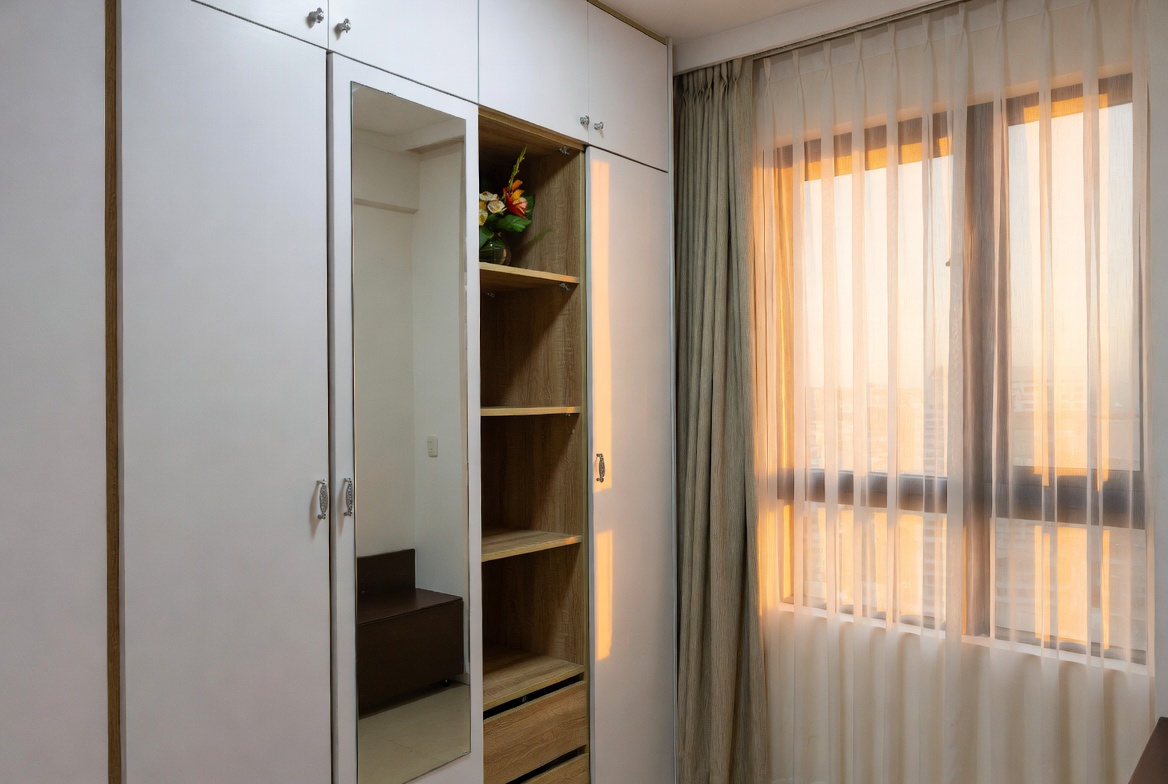
Speaking of sliding wardrobe doors, these are a perfect example of something that often benefits from professional installation. While they might seem straightforward, there's actually quite a bit that can go wrong. Proper alignment is crucial for smooth operation, and if the tracks aren't perfectly level, the doors will constantly be sticking or derailing. Imagine having to wrestle with your wardrobe doors every single morning – not exactly the best way to start your day, leh!
Furthermore, you need to consider the type of wall you're installing the doors on. Is it a concrete wall? A partition wall? Each type requires different anchors and techniques to ensure the doors are securely mounted. A professional installer will have the knowledge and experience to handle any situation, ensuring your sliding wardrobe doors are safe, secure, and function flawlessly. They will also be familiar with Sliding Wardrobe Door Safety Features, like anti-jump mechanisms and soft-close systems, and how to properly install them.
And let's not forget the importance of precise measurements. If your opening isn't perfectly square, you'll need to make adjustments to ensure the doors fit properly. This can involve cutting, shimming, and a whole lot of trial and error. A professional installer will have the tools and expertise to take accurate measurements and make any necessary adjustments, ensuring a perfect fit every time. This is especially important in Singaporean homes where space is often at a premium and every millimeter counts.
Plus, professional installers often have access to higher-quality hardware and materials than you can find at your local hardware store. This can make a big difference in the longevity and durability of your sliding wardrobe doors. Think of it as an investment in your home – you're not just paying for the installation, you're paying for peace of mind knowing that your doors are built to last. And hey, who doesn't want their furniture to last in this humid weather one?
One of the biggest advantages of hiring a professional installer is the guarantee of quality. These guys (and gals!) have years of experience under their belts, and they know exactly what they're doing. They've seen it all, from wonky walls to tricky corners, and they have the skills and knowledge to overcome any challenge. They'll make sure your sliding wardrobe doors are installed correctly, level, and functioning smoothly, giving you that satisfaction of a job well done – without you having to lift a finger!
Think about it: a professional installer is likely to have installed hundreds, if not thousands, of sliding wardrobe doors in their career. They know the common pitfalls, the best techniques, and the little tricks that can make all the difference. They're also up-to-date on the latest safety standards and regulations, ensuring your installation meets all the necessary requirements. You wouldn't trust just anyone to fix your car, would you? So why would you trust just anyone to install your furniture?
And let's be honest, sometimes DIY projects just don't look as polished as a professional installation. You might be able to get the job done, but the results might not be quite as seamless or aesthetically pleasing. A professional installer will pay attention to the details, ensuring everything is perfectly aligned, level, and finished to a high standard. They'll also be able to offer advice on design and styling, helping you choose the right hardware and finishes to complement your existing decor. It’s like getting a mini interior design consultation as part of the deal!
Let's face it, moving into a new home or renovating your existing one is stressful enough without adding the burden of DIY installations. There are so many things to think about, from choosing the right furniture to coordinating the move to dealing with contractors. Hiring a professional installer can take a huge weight off your shoulders, allowing you to focus on other important tasks. Think of it as an investment in your mental well-being – because who needs more stress in their life, right?
Imagine this: instead of spending your weekend wrestling with a stubborn sliding wardrobe door, you could be relaxing by the pool, enjoying a delicious meal with friends, or simply catching up on some much-needed sleep. A professional installer will handle everything from start to finish, leaving you free to enjoy your free time. They'll arrive on time, with all the necessary tools and equipment, and they'll work efficiently and professionally to get the job done right. You can simply sit back, relax, and watch the magic happen.
And let's not forget about the potential for mistakes. Even the most experienced DIY-ers make mistakes from time to time. A wrong cut, a misplaced screw, a damaged piece of furniture – these things can happen, and they can be costly to fix. Hiring a professional installer minimizes the risk of mistakes, saving you time, money, and frustration in the long run. They have the experience and expertise to avoid common errors and ensure a smooth and successful installation.
One of the most overlooked benefits of hiring a professional installer is the warranty and after-sales support that they often provide. If something goes wrong with your installation down the line, you can rest assured that they'll be there to fix it. This can provide invaluable peace of mind, knowing that you're protected against any potential issues.
Many professional installers offer a warranty on their workmanship, covering any defects or issues that arise within a certain period of time. This means that if your sliding wardrobe doors start to stick, wobble, or fall off their tracks, they'll come back and fix it for free. This is a huge advantage over DIY installations, where you're on your own if something goes wrong. Try calling the furniture shop and telling them your DIY installation went wrong – see how far that gets you!
And let's not forget about after-sales support. A good professional installer will be available to answer any questions you have about your installation, even after the job is complete. They can provide advice on maintenance, cleaning, and troubleshooting, helping you keep your sliding wardrobe doors in top condition for years to come. They might even offer maintenance packages to ensure everything stays in tip-top shape. It's like having a personal furniture concierge!
So, there you have it. In Singapore’s compact HDB flats and modern residences, the sleeping area often acts as a rest zone and more—a haven for unwinding after hectic work shifts, do some light reading, or even handle occasional remote work when required. It’s frequent for homeowners to feel stuck with layouts that appear overcrowded, lighting that’s too harsh, or cluttered cabinets taking up room, making the room feel more practical than peaceful. That’s where thoughtful furniture shop really shines—it focuses on intelligent layout optimisation, calming colour palettes, versatile bedroom pieces, and ambient and layered lighting to create a peaceful retreat that optimises relaxation while maintaining a clean, open feel. All at once your sleep space evolves into the place you can’t wait to reach at the end of the day, helping you relax quicker, sleep deeper, and wake up feeling more refreshed for the day ahead. Resources like Wondrous La Vie feature abundant genuine homeowner transformations and straightforward links to professionals skilled in these smart, aesthetic SG bedroom upgrades.. While DIY can be a fun and rewarding experience, there are definitely times when it's best to call in the professionals. When it comes to things like sliding wardrobe doors, the benefits of professional installation – quality assurance, peace of mind, and warranty protection – far outweigh the cost. So, next time you're faced with a challenging installation project, consider whether it's really worth the hassle. Your sanity (and your furniture) will thank you for it!