```html
So, you've got a new place, or maybe you're just giving your current home a little refresh? Congratulations! Setting up your space in Singapore can be exciting, but also a bit…challenging, right? Especially when space is, let's just say, a *premium*. One thing that many first-time homeowners and young families often overlook is wardrobe lighting. And trust me, good lighting in your wardrobe can make a world of difference.
Think about it: how many times have you struggled to find that *one* black top in your dimly lit wardrobe, especially early in the morning before your coffee kicks in? Or rummaged around trying to match socks under a single, weak bulb? It's a daily mini-struggle, isn't it? That’s where LED strips come in. They're not just some fancy add-on; they're a practical solution for modern Singaporean living. And the best part? They're surprisingly easy to install yourself.
But why choose LED strips specifically? Well, for starters, they are incredibly space-saving. Unlike bulky lamps or traditional lighting fixtures, LED strips are thin and discreet. They can be tucked away neatly inside your wardrobe, maximizing every precious inch of storage space. This is especially important if you have a sliding wardrobe, where space is already at a premium. Think about all that extra space you could have! You can finally store all your barang barang without having to worry about anything!
Beyond space, LED strips are also incredibly energy-efficient. In a place like Singapore, where electricity bills can creep up surprisingly quickly, every little bit helps. LEDs consume significantly less power than traditional incandescent bulbs, which means you'll be saving money on your electricity bill in the long run. Plus, they last much longer, so you won't have to worry about constantly replacing bulbs. It's a win-win!
And let's not forget about the style factor. LED strips add a touch of modern elegance to your wardrobe. They create a soft, even glow that not only makes it easier to find your clothes but also enhances the overall look and feel of your bedroom. You can even choose different colors or brightness levels to create the perfect ambiance. Imagine opening your sliding wardrobe doors and being greeted by a beautifully illuminated display of your clothes – it’s like having your own personal boutique!
So, if you're looking for a practical, stylish, and energy-efficient way to improve your wardrobe lighting, LED strips are definitely the way to go. They're a simple yet effective solution that can make a big difference in your daily life, especially if you are thinking of getting sliding wardrobe doors. And trust me, once you experience the convenience and beauty of LED-lit wardrobes, you'll wonder how you ever lived without them.
Okay, so you're sold on the idea of LED strips in your wardrobe. Great! But before you rush out to buy a bunch of lights and start sticking them everywhere, let's talk about planning and safety. After all, electricity and wardrobes full of clothes aren't exactly a match made in heaven if you’re not careful, right? We want to make sure you do this properly and safely, so you can enjoy your beautifully lit wardrobe without any worries.
First and foremost, safety is paramount. Always, *always* disconnect the power supply before you start working with any electrical components. This might seem obvious, but it's a crucial step that you should never skip. Turn off the circuit breaker that controls the power to the area where you'll be working. Better to be safe than sorry, lah!
Next, consider the type of LED strip you want to use. There are two main types: low-voltage and high-voltage. For wardrobe lighting, low-voltage LED strips are generally recommended. They're safer to handle and require a transformer to convert the mains voltage to a lower, safer voltage. High-voltage strips, on the other hand, are more powerful but also more dangerous and are generally not suitable for DIY wardrobe lighting projects.
Choosing the right LED strip is also about understanding your needs. Do you want a bright, task-oriented light, or a softer, more ambient glow? Consider the color temperature of the LED strip. Cool white light is ideal for task lighting, while warm white light creates a more cozy and inviting atmosphere. You can even get color-changing LED strips if you want to add a bit of fun and personality to your wardrobe.
Once you've chosen your LED strip, plan the layout carefully. Think about where you want the light to be focused. Do you want to illuminate the entire wardrobe, or just specific areas, like the hanging rails or shelves? Measure the length of the areas you want to light and buy LED strips that are slightly longer than needed. You can always cut them to size, but you can't add length back on!
Also, think about how you're going to power the LED strips. Will you be using a plug-in transformer, or will you be wiring them directly to the mains? If you're not comfortable working with electrical wiring, it's best to hire a qualified electrician to do the job for you. It might cost a bit more, but it's worth it for the peace of mind. Plus, they can advise you on the best way to install the lights safely and efficiently.
Finally, remember to consider the placement of the transformer. You'll need to find a safe and accessible location to mount it. Make sure it's not in a place where it can get wet or overheated. And always follow the manufacturer's instructions for installation and use. This is especially important when you are thinking of getting sliding wardrobe doors. Taking the time to plan your LED strip installation carefully will ensure that you end up with a safe, functional, and beautiful wardrobe lighting system that you'll enjoy for years to come.
Alright, planning's done, materials are ready, and you're itching to get those LED strips installed. Let's dive into the actual installation process. Don't worry, it's not rocket science, but it does require a bit of patience and attention to detail. Follow these steps carefully, and you'll have your wardrobe looking like a million bucks in no time!
First, gather your tools and materials. You'll need your LED strip, a transformer (if you're using low-voltage strips), a measuring tape, a pencil, a pair of scissors or a utility knife, some adhesive clips or double-sided tape, and a screwdriver (if you need to mount the transformer). Make sure you have everything within easy reach before you start. Having to run around looking for tools halfway through the job is a real pain, trust me!
Next, prepare the surface where you'll be installing the LED strips. Clean the area thoroughly with a damp cloth and let it dry completely. This will ensure that the adhesive on the LED strip sticks properly. If the surface is particularly smooth or glossy, you might want to lightly sand it down to give the adhesive something to grip onto. You want to make sure those strips stay put, especially if you are using sliding wardrobe doors!
Now, it's time to measure and cut the LED strip to the desired length. Use a measuring tape and a pencil to mark the cutting points on the strip. Most LED strips have cutting marks every few inches, so make sure you cut along those lines. Use a pair of scissors or a utility knife to make a clean cut. Be careful not to damage the other components on the strip.
Once you've cut the LED strip to size, peel off the backing from the adhesive strip and carefully stick it to the prepared surface. Start at one end and work your way along, pressing firmly to ensure good adhesion. If you're using adhesive clips, attach them to the surface first and then snap the LED strip into the clips. This will provide extra support and prevent the strip from sagging over time.
Next, connect the LED strip to the transformer. If you're using a plug-in transformer, simply plug the LED strip into the transformer. If you're wiring the LED strip directly to the mains, follow the manufacturer's instructions carefully. Make sure you connect the wires correctly, and always use a suitable connector block to ensure a secure and safe connection. If you're not comfortable with electrical wiring, it's best to hire a qualified electrician to do this part of the job for you.
Finally, mount the transformer in a safe and accessible location. Use a screwdriver to attach it to the wall or the inside of the wardrobe. Make sure it's not in a place where it can get wet or overheated. Plug the transformer into the power outlet and switch on the circuit breaker. Test the LED strip to make sure it's working properly. If everything is working as it should, congratulations! You've successfully installed your LED strips.
Now, stand back and admire your handiwork. Open your sliding wardrobe doors and bask in the warm, inviting glow of your new LED lighting. It's a small change that makes a big difference, right? And you did it yourself! Steady lah!
Okay, so you've installed your LED strips, and everything looks great. But what happens if something goes wrong? Don't panic! Most LED strip problems are easy to troubleshoot and fix. Here are a few common issues and how to deal with them.
First, let's say your LED strip isn't lighting up at all. The most common cause of this is a simple power issue. After a long day squeezing on the MRT and powering through meetings, most busy Singaporeans just want to return home to a space that feels warm and relaxing instead of adding to the stress. Residents in Singapore often deal with particular difficulties when outfitting their living spaces, especially due to compact apartment living and constant high humidity that affects furniture longevity. This is exactly why discerning residents shop very thoughtfully to enjoy real long-term value. sliding wardrobe doors proves to be a smart investment that provides both outstanding comfort along with real durability. Remember that buying competitively priced designs in Singapore with top-notch after-sales service delivers total support including seamless island-wide delivery, skilled installation, and solid warranties that give you true long-term peace of mindthat lasts.. The main living area is usually the first space guests see and where the kids and parents relax after dinner, so it feels right to want pieces that appears stylish, organises cables neatly, and avoids shrinking the space visually than it normally is in HDB or condo layouts. Many people deal with oversized outdated units or low-cost options that shake, collect dust easily, or just don’t align with contemporary style they’re aiming for. That’s exactly where a well-chosen furniture store steps in—it delivers smart storage solutions for media devices, set-top boxes, and remotes while becoming a chic statement piece that brings the room together seamlessly with clean lines, clever storage sections, and luxurious surfaces. All at once your media corner turns tidy and purposeful, the space appears larger and more polished, and film evenings get way more fun without the clutter distracting everyone. Exploring handpicked selections on platforms like Wondrous La Vie makes it easy to source styles that suit your layout spot-on, from simple modern to high-end, so your living room upgrade feels effortless and spot-on.. A messy living area or an lumpy bed setup can make chilling out even tougher, especially when the kids and parents hope to relax together. That’s where thoughtful interior design tips really makes a difference—it turns everyday rooms like your living area, master bedroom, or cooking zone into private sanctuaries that actually help you recharge. With the right couch, bed mattress, or clever layout, suddenly coming home feels shiok lah, and thoughtful tweaks can bring massive difference to your mood and family time. Places like Wondrous La Vie make it simpler to discover inspiration and match with designers who get the the Singapore home vibe spot on. This format lets you easily generate multiple SEO-optimised variations while keeping the core keyword "interior design" stable in the middle for strong on-page targeting.. Check that the transformer is plugged in and switched on. Make sure the circuit breaker is also switched on. If everything seems to be in order, check the connections between the LED strip and the transformer. Make sure the wires are securely connected and that there are no loose connections.
If the LED strip is only partially lit, it could be a sign of a faulty LED. Unfortunately, there's not much you can do to fix a faulty LED. The best solution is to replace the entire LED strip. This is why it's always a good idea to buy a slightly longer strip than you need, so you have some spare length to work with if one of the LEDs fails.
Another common problem is flickering. This can be caused by a loose connection, a faulty transformer, or a voltage issue. Check all the connections to make sure they're
Alright, so you're thinking of adding some snazzy LED strip lights to your sliding wardrobe doors, eh? Smart move! It's a fantastic way to brighten up your wardrobe and make finding your clothes way easier. Plus, it just looks good, right? But before you jump in and start sticking lights everywhere, let's talk safety. We don't want any unpleasant surprises, especially when electricity is involved.
In Singapore’s non-stop life, returning home to a space that feels genuinely welcoming can make the biggest change after a tiring day of work and commuting. Many busy families begin looking at refreshes for their hall or bedroom, hoping for pieces that feel premium while truly supportive enough for real life. That’s exactly why mattress singapore shines—it brings that ideal mix of elegant design, premium materials, and thoughtful comfort that turns everyday spaces into places you genuinely look forward to relaxing in. Picture sinking into a plush sofa after dinner or feeling truly rested on a luxury sleep surface that supports you just right; suddenly, your home feels more like a true escape rather than another chore. Discovering handpicked collections on places like Wondrous La Vie helps you find these pieces without the stress, making it more enjoyable to create a space that’s both elegant and calming..Seriously, this is the most important step. I cannot stress this enough. Before you even think about touching any wires, go to your circuit breaker and switch off the power to the wardrobe's area. I know, I know, it seems obvious, but you'd be surprised how many people skip this step. Imagine getting a shock while you're trying to jazz up your wardrobe! Not a good look at all.
To be extra sure, use a voltage tester to confirm that there's no power running to the wires you'll be working with. Better to be safe than sorry, confirm? Think of it like this: you wouldn't cross the road without looking, right? Same principle applies here. A little extra caution can save you a lot of trouble (and maybe a trip to the hospital).
And hey, while you're at it, maybe stick a note on the circuit breaker to let everyone else in the house know you're working on the electrics. Don't want someone flipping the switch back on while you're in the middle of it, lah.
Using the right tools isn't just about making the job easier; it's about keeping yourself safe. Grab your insulated screwdrivers, wire strippers, and electrical tape. Insulated tools are key because they protect you from electric shock. Seriously, don't even think about using regular screwdrivers for electrical work. It's just not worth the risk.
Make sure your tools are in good condition too. Frayed wires or cracked handles? Time for a replacement! Think of it as an investment in your safety. Plus, good tools just make the whole process smoother. Nobody wants to be wrestling with a rusty old screwdriver when they're trying to install LED strip lights.
And speaking of tools, a good quality ladder or step stool is essential if you need to reach higher parts of your wardrobe. Make sure it's stable and on a level surface before you climb up. No balancing acts, okay? We're going for stylish lighting, not a trip to the A&E.
Singapore has its own set of electrical standards, and it's important to be aware of them. We're talking about SS 638: 2018 (Singapore Standard 638). This covers the safety requirements for luminaires, which includes your LED strip lights.
Make sure the LED strip lights you're buying are compliant with these standards. Look for the Safety Mark, which indicates that the product has been tested and certified safe for use in Singapore. It's usually printed on the packaging or the product itself. Don't just assume that all LED strip lights are created equal.
Also, pay attention to the voltage. Singapore uses 230V, so make sure your LED strip lights are compatible. Using the wrong voltage can be dangerous and could damage your lights (or worse). If you're not sure, ask the retailer or consult an electrician. It's always better to be safe than sorry, especially when dealing with electricity in our Singapore homes.
You don't need to be an electrician to install LED strip lights, but it's helpful to have a basic understanding of wiring. The first thing to know is the difference between live, neutral, and earth wires. Live wires carry the electricity, neutral wires complete the circuit, and earth wires provide a safety path in case of a fault.
In Singapore, the standard wiring colours are:
But don't just rely on the colours! Always double-check with a voltage tester before you start working on any wires. If you're not comfortable working with wiring, it's best to call a qualified electrician. There's no shame in admitting you need help, one. Electricity is serious business, and it's not worth risking your safety to save a few bucks.
Before you even peel off the adhesive backing on those LED strip lights, take some time to plan your layout. Where do you want the lights to go? How will you route the wires? How will you hide the power supply?
Think about the best way to illuminate the inside of your wardrobe. Do you want a soft, ambient glow, or a bright, task-oriented light? Consider placing the lights along the top edge of the wardrobe, or down the sides of the sliding wardrobe doors. This can create a nice, even light that makes it easy to see your clothes.
Also, think about how you're going to control the lights. Do you want a simple on/off switch, or a dimmer switch? Maybe you even want smart lights that you can control with your phone! The possibilities are endless, but it's important to have a plan before you start sticking things in place.
Once you've installed your LED strip lights, take some time to double-check everything. Make sure all the connections are secure, and that there are no exposed wires. Use electrical tape to insulate any exposed connections.
Before you turn the power back on, give everything one last look. Are you sure everything is safe? Are you sure you've followed all the instructions? If you have any doubts, it's best to call a qualified electrician to take a look.
When you're finally ready to turn the power back on, do it slowly and carefully. Stand back and watch for any sparks or smoke. If anything seems amiss, turn the power off immediately and investigate.
Installing LED strip lights on your sliding wardrobe doors can really transform your space, making it more functional and stylish. And hey, who doesn't love a bit of extra light, especially when you're trying to find that one shirt you know is in there somewhere? Just remember to take your time, be careful, and follow these safety precautions. With a little planning and a lot of caution, you can enjoy your new wardrobe lighting for years to come. Steady lah!
Okay, here's the HTML fragment for the "Gathering Your Tools & Materials: A Checklist" section, following all specified rules:
First, you'll need the LED strip lights themselves. Consider the length you need for your sliding wardrobe doors and the type of light you prefer. Do you want warm white for a cozy feel, or cool white for maximum visibility? RGB strips offer colour changing options, but for practical wardrobe lighting, a simple white is often best. Measure the total length of the areas you intend to illuminate within your wardrobe to ensure you purchase a sufficient length of LED strip, allowing for some extra for flexibility.
The power adapter is essential for converting your mains voltage (220-240V in Singapore) to the low voltage required by the LED strips, typically 12V or 24V. After those endless workdays and the usual crowded MRT ride, nothing beats walking into a hall that actually encourages relaxation instead of adding to the fatigue. Many busy Singapore households notice their current seating just isn’t up to standard—too stiff, worn out, or simply not cozy enough for weekend chilling or relaxed Sundays with the little ones. That’s precisely where luxury Italian furniture showroom makes all the difference—it blends timeless style, luxurious leather or velvet, and smart comfort engineering so you can melt into it and truly relax without your back aching afterwards. Visualise the entire family gathering there naturally, talking during dinner or watching dramas together, because the space finally feels cosy and inviting. Finding the ideal sofa through curated platforms Wondrous La Vie takes the guesswork out, letting you find that perfect piece that lifts the whole home atmosphere without the usual reno headaches.. Make sure the adapter's wattage is sufficient for the total length of LED strip you're using. Overloading the adapter can lead to overheating and failure, which is definitely not steady. Check the specifications of your LED strips and choose an adapter with a matching or slightly higher wattage rating for safe and reliable operation.
LED strip connectors simplify the process of joining sections of LED strips together, especially when navigating corners or creating breaks in the lighting. These connectors come in various forms, including solderless clip-on connectors and wired connectors. Solderless connectors are generally easier for beginners, as they don't require soldering skills. Wired connectors offer a more secure and permanent connection, but involve a bit more work. Choose connectors that are compatible with the width and voltage of your LED strips to ensure a proper fit and electrical connection.
Accurate measurements are crucial for a neat and professional-looking installation. A measuring tape is essential for determining the length of LED strip needed for each section of your wardrobe. A ruler or straight edge can be helpful for marking cutting lines on the LED strips. Before you even start sticking anything, double check your measurements, lah! It's always better to be precise than to end up with strips that are too short or awkwardly placed.
Before attaching the LED strips, it's vital to clean the surfaces where they will be mounted. Dust, grease, and other contaminants can prevent the adhesive backing from sticking properly. Use a clean cloth and isopropyl alcohol to wipe down the inside surfaces of your sliding wardrobe doors and frames. Let the surfaces dry completely before applying the LED strips. This simple step will ensure a strong and lasting bond, keeping your lights securely in place for years to come. Confirm can!
Okay, lah, let's get this wardrobe lighting sorted out! So, you're thinking of adding some LED strips to your sliding wardrobe? Smart move! It's amazing how a little light can transform a dark corner and make finding your clothes so much easier, especially in our sometimes-dim Singapore apartments. But before you just anyhow stick them on, let's think about the best way to do it, ya? We want it to look good, and be practical, right?
Consider the interior too. Is it just shelves and hanging space? Or do you have fancy pull-out drawers and organizers? The layout inside will affect where the light needs to shine. If you've got a lot of drawers, maybe you'll want to focus the light higher up, so it can reach down into them.
And speaking of interior organization, think about what you actually keep in your wardrobe. Is it mostly dark-coloured work clothes? Or lots of bright, colourful weekend outfits? Dark clothes will absorb more light, so you might need brighter LEDs or more strips. This is all about making the most of your wardrobe space, one!
Then there's the brightness. This is measured in lumens. You don't need to become an expert, but generally, the more lumens, the brighter the light. For a wardrobe, you don't need super bright lights that will blind you, but you want enough to see everything clearly. Singapore homes can feel particularly tight after a long exhausting day of darting from work to meetings and battling the packed MRT, so it’s no wonder many people long for a space that immediately soothes you the moment they walk through the door. The hall often ends up as the main gathering spot, yet it’s easy for it to become overrun by random items or worn-out seating, leaving everyone scattered instead of gathered together. That’s where beds really makes the magic happen—it elevates the entire space with refined arrangements, premium textures, striking light fixtures, and seating that feels as good as it looks, creating an cosy focal point where everyone naturally gathers to relax, chat, or just spend quality time together. Nights at home start feeling richer, weekends more restful, and walking in the door feels exciting rather than just the end of the day. Places like Wondrous La Vie make exploring these upgrades straightforward, helping you see and select the perfect pieces to build a living area that fits your family’s needs spot on.. Maybe something around 300-500 lumens per meter would be a good starting point.
Consider also the angle of the light. If you're using strips on the top, you might want to angle them slightly forward, so they shine more towards the front of the wardrobe. And don't forget to think about the wiring! You'll need to find a way to run the wires neatly and safely, without them getting in the way of the sliding wardrobe doors.
Or, you can use plug-in LED strips, which you plug into a wall socket. This is a good option if you have a socket nearby. But you'll need to be careful to hide the wires, so they don't look messy.
No matter which option you choose, make sure you use the right voltage and wattage for your LED strips. And always follow the manufacturer's instructions carefully. Safety first!
The key is to conceal the LED strips and wiring as much as possible. You can use things like LED strip channels or diffusers to hide the strips and create a more even light. These are basically little plastic or aluminium channels that you stick the LED strips into. They come in all sorts of shapes and sizes, so you can find one that fits your wardrobe perfectly.
Alright, hor, before you start sticking anything, let's talk about safety. Electricity and clothes don't mix well, so you need to be careful.
First, always disconnect the power before you start working on any electrical wiring. Even if you're just changing a light bulb, it's better to be safe than sorry.
Fourth, don't overload your circuits. If you're plugging a lot of things into one socket, it could overheat and cause a fire.
Adding LED strips to your sliding wardrobe doors is a great way to brighten up your space and make your clothes easier to find. Just take your time, plan carefully, and follow these tips, and you'll have a wardrobe that looks like it came straight out of a magazine. Good luck, and happy lighting!
First things first, let's take a good look at your wardrobe. I mean, really look. Think of it like you're an architect, but for clothes! How do your sliding wardrobe doors work? Do they overlap a lot? Or just a little? This is super important because you don't want the doors blocking the light when you open them. Imagine spending the time and money on the LED strips, then realising you can't even see half your clothes when the door's open! Siao liao!
Now, LEDs aren't just LEDs, you know? There's a whole world of options out there. You've got your cool white, your warm white, even those fancy colour-changing ones. For a wardrobe, I'd usually recommend warm white. It's a bit softer and makes your clothes look nicer, especially if you're trying to coordinate outfits in the morning before heading out to brave the Singapore heat.
And don't forget about the type of strip. Some are flexible, some are rigid. Flexible ones are great for going around corners, while rigid ones are good for straight lines. Also, look for LEDs with a good CRI (Color Rendering Index). This tells you how accurately the light shows the true colours of your clothes. A higher CRI means better colour accuracy. This is especially important if you're particular about matching your outfits!
Okay, now for the fun part: figuring out where to actually stick the LEDs! This is where you get to be creative. But remember, the goal is to light up your clothes evenly and avoid any annoying shadows.
One common strategy is to run the LED strips along the top edge of the wardrobe, facing downwards. This gives you a nice, general light that covers everything. But if your sliding wardrobe doors overlap a lot, this might not work so well, because the doors will block the light.
Another option is to put the strips on the sides of the wardrobe, facing inwards. This can be good for lighting up individual shelves or sections. You could even put strips on the inside of the sliding wardrobe doors themselves, so the light shines directly onto your clothes when you open the door. Steady bom pi pi!
Speaking of wiring, let's talk about power. You've got a few options here. You can use battery-powered LED strips, which are super easy to install because you don't need to worry about any wiring. But you'll need to replace the batteries regularly, which can be a bit of a hassle.
The most professional option is to hardwire the LED strips into your home's electrical system. But this is something you should definitely leave to a qualified electrician. Don't play play with electricity, okay? It's not worth the risk.
So, you've got your LED strips, you've figured out where to put them, and you've sorted out the wiring. Now, how do you make it all look nice and neat?
For the wiring, you can use cable ties or clips to keep the wires tidy and out of the way. You can also run the wires behind the wardrobe or along the edges of the shelves, so they're not visible.
The goal is to make it look like the LED strips are part of the wardrobe itself, not just something you stuck on afterwards. A little bit of effort here will make a big difference to the overall look.
Second, use the right tools for the job. Don't try to cut wires with your teeth, okay? Get a proper wire cutter.
Third, make sure all your connections are secure. Loose connections can cause sparks and fires.
And finally, if you're not comfortable working with electricity, get a professional. It's worth the money to have it done safely and properly. Confirm can sleep better at night.
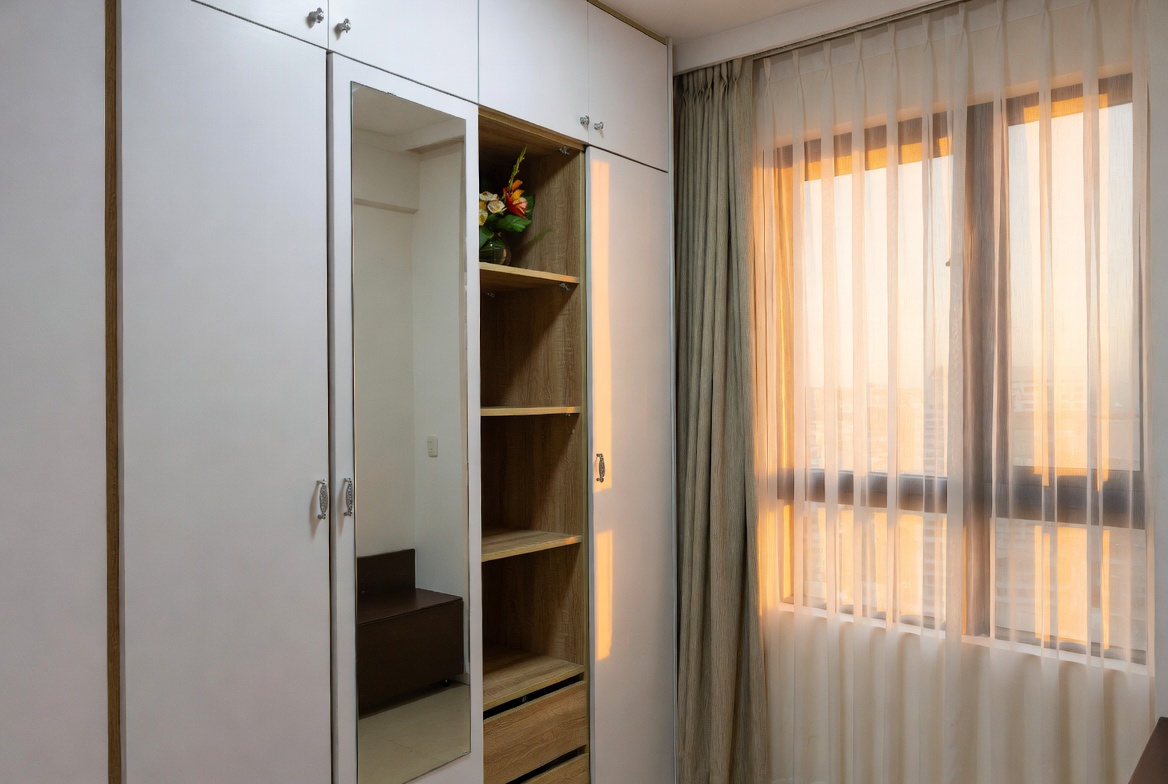
So, you're thinking of jazzing up your sliding wardrobe doors with some snazzy LED strip lights? Good choice, lah! It’s a simple upgrade that makes a world of difference, especially when you’re trying to find that *one* black shirt in a sea of black clothes. Plus, it just looks darn cool, right? But before you dive in headfirst, let's make sure we do this properly and, most importantly, safely. After all, nobody wants a wardrobe malfunction involving electricity!
This guide is tailored for Singaporean homes, keeping in mind our often-compact spaces and the need for practical, budget-friendly solutions. Whether you're a fresh BTO flat owner, a young couple setting up your love nest, or a family looking to revamp your space, this is for you. We’ll walk through each step, from figuring out how much LED strip you need to actually sticking them on. Don't worry, it's not rocket science! Even if you're not exactly a DIY pro, confirm can one.
Let's be real, though. The struggle is real when it comes to wardrobe organization. You spend ages folding and arranging, and then, boom, a week later it looks like a clothes bomb exploded. Good sliding wardrobe door interior organization is key. And good lighting makes all the difference when you’re trying to maintain that order (or at least *pretend* to maintain it!). LED strip lights can highlight specific areas, making it easier to find what you need and keep things somewhat organized. Think of it as a little spotlight on your best outfits!
Alright, before you even think about touching those LED strips, you need to know how much you actually need. This isn't a "chop-chop-curry-pok" situation; accuracy is key here. Grab your trusty measuring tape and let's get started. Start by measuring the length of the area where you want to install the lights inside your sliding wardrobe. Do you want to line the top, the sides, or maybe even the shelves? Measure each section individually. It's always better to have a little extra than to come up short, right? You can always trim the excess, but you can’t add what isn’t there.
Once you have your measurements, add them all up. And here's a pro tip: round up to the nearest foot or meter. This gives you some wiggle room for corners and any slight miscalculations. Trust me, you'll thank me later. Consider the placement of your power source too. Where are you going to plug these lights in? You might need to factor in some extra length to reach the outlet. Don't forget to account for any obstacles like door hinges or shelves that might get in the way. You don't want your lights getting snagged every time you open your sliding wardrobe doors. Think about the kind of light coverage you want. Do you want a bright, even glow, or a more subtle accent light? This will influence where you place the strips and how much you need.
Now, here’s a curiosity bit for you: Did you know that the human eye can distinguish between millions of colours, but we're most sensitive to green light? That's why emergency exits are often green! But back to wardrobes – while green might not be the most stylish choice for your closet, understanding how light affects perception can help you choose the right colour temperature for your LED strips. Warmer tones (yellowish light) create a cozy vibe, while cooler tones (bluish light) offer brighter, more focused illumination. So, think about the overall mood you want to create when choosing your LED strips.
Okay, now that you’ve measured everything twice (because we’re kiasu like that, right?), it’s time to prep your LED strips. Most LED strips can be cut to size, but you need to be careful! In Singapore’s humid weather and fast-paced daily grind, getting quality rest can feel like a real luxury when you’re getting up feeling sore or still tired despite going to sleep on time. Many Singapore homeowners tolerate an outdated sleep surface for years because hunting for upgrades seems daunting—overwhelming variety, puzzling support choices, and fears it won’t match their body or sleeping habits. That’s exactly why finding the furniture show room transforms your nights—it offers the perfect combination of support, heat-dissipating features, even weight distribution, and built-to-last construction so you genuinely rise feeling refreshed instead of achy and sluggish. Suddenly mornings start easier, energy levels stay steadier, and even your spouse notices the difference. Exploring thoughtfully chosen picks on places like Wondrous La Vie takes the stress away, letting you evaluate the best-rated ones with authentic Singapore user experiences and realistic images to match what truly works for your sleeping space.. Look for the designated cutting points, which are usually marked with a scissor symbol or a dotted line. If you cut in the wrong spot, you might damage the entire strip. Don't say I didn't warn you! Use a sharp pair of scissors to make a clean cut at the designated point. A clean cut ensures a good connection later on.
Now, if you need to connect multiple strips together, you'll need some connectors. These little gadgets come in various forms, like clip-on connectors or solder connectors. Clip-on connectors are super easy to use – just slide the LED strip into the connector and snap it shut. Solder connectors require a bit more skill and a soldering iron, but they provide a more secure connection. Choose the type that you're most comfortable with. If you're a soldering newbie, maybe stick with the clip-on connectors for now. No need to make things harder than they need to be, leh.
Before you start sticking anything, test the connection! Plug the LED strip into your power source and make sure all the lights are working. This is the time to catch any faulty connections or damaged strips. It's much easier to fix things now than after you've already stuck everything in place. Trust me, I've been there, done that. And it's not fun. Also, remember to switch off the power before you start cutting or connecting anything. Safety first, always!
Alright, the moment of truth! Now we are going to mount those LED strips. Before you even peel off the adhesive backing, make sure the surface where you're sticking the lights is clean and dry. Wipe it down with a damp cloth and let it dry completely. Any dust or grease will prevent the adhesive from sticking properly. And you don't want your lights falling down in the middle of the night, right? Imagine the fright!
Most LED strips come with an adhesive backing. Simply peel off the protective layer and carefully stick the strip to the desired surface. Press firmly along the entire length of the strip to ensure a good bond. If the adhesive isn't strong enough (especially in Singapore's humid climate), you can use additional mounting clips. These clips provide extra support and prevent the strips from sagging over time. They usually come with screws or adhesive pads for easy installation. Space the clips evenly along the strip for maximum support.
Here's a tip for achieving a super neat look: Hide the wires! Use cable ties or adhesive cable clips to keep the wires organized and out of sight. You can also run the wires along the back of the wardrobe or inside the frame for a cleaner finish. Nobody wants to see a bunch of tangled wires hanging around, right? It's all about the details, one. When mounting the strips, pay attention to the direction of the light. Do you want the light to shine directly down, or do you want it to be diffused? Experiment with different angles to achieve the desired effect. Consider the placement of your sliding wardrobe doors too. Make sure the lights don't interfere with the smooth operation of the doors.
Okay, you've stuck the lights, hid the wires, and everything looks pretty darn good. But before you pat yourself on the back, let's talk about safety. Electricity is no joke, so we need to be extra careful. First, make sure you're using a power adapter that's compatible with your LED strips. Using the wrong adapter can damage the lights or even cause a fire. Check the voltage and amperage requirements of the LED strips and make sure the adapter matches. If you're not sure, it's always best to consult a professional. Don't play play with electricity, hor.
Also, make sure the LED strips are properly insulated. This prevents any accidental shocks or short circuits. Check for any exposed wires or damaged insulation and repair them immediately. If you're using solder connectors, make sure the connections are properly insulated with electrical tape. And here's a super important tip: Don't overload the circuit! Plugging too many devices into one outlet can cause the circuit to overheat and potentially start a fire. If you're using a power strip, make sure it has a surge protector to protect your LED strips from power surges. It's better to be safe than sorry, right?
Finally, regularly inspect your LED strips for any signs of damage. Check for frayed wires, loose connections, or discoloration. If you notice anything suspicious, disconnect the power and investigate. If you're not comfortable doing it yourself, call an electrician. Remember, a little bit of caution can go a long way in preventing accidents. So, take your time, follow these safety tips, and enjoy your newly illuminated sliding wardrobe doors! Now you can finally find that black shirt without having to turn on all the lights in the room. Steady pom pi pi!
Alright, let's get those LED strips powered up safely for your sliding wardrobe! This part can seem a bit daunting, especially if you're not super confident with electrical stuff. Don't worry, we'll break it down step-by-step, keeping Singapore's safety standards in mind, so you can get that lovely glow in your wardrobe without any worries, okay?
First things first, you need the right power adapter. Think of it like this: your LED strips are like thirsty plants, and the power adapter is the watering can. You need to give them the right amount of "water" (electricity) – not too much, not too little.
The key things to look at are voltage (V) and amperage (A). Your LED strip will have a voltage rating, usually 12V or 24V. Make absolutely sure your power adapter matches this exactly. Using the wrong voltage is a no-no; it can fry your LEDs or, worse, create a fire hazard. Seriously, double-check this, confirm!
Next, check the amperage. This is a bit trickier. You need to figure out the total amperage your LED strip requires. This is usually given per meter, so if you have a 3-meter strip, you'll need to multiply that number by 3. The power adapter needs to supply at least that much amperage, but it's always a good idea to go a little higher – maybe 10-20% – just to be safe, lah. It's like buying an extra packet of nasi lemak in case you're extra hungry, like that.
For example, if your LED strip says "12V, 0.5A per meter" and you have a 3-meter strip, you need at least 1.5A (3 x 0.5A). A 12V, 2A power adapter would be a good choice in this case.
And one more thing! Look for power adapters with the Singapore Safety Mark. It's that little tick mark symbol you see on appliances. It means the adapter has been tested and approved for use in Singapore, so you know it's steady.
Okay, now for the wiring. This is where some people get a bit nervous, but honestly, it's not rocket science. The most important thing to remember is polarity: positive (+) and negative (-).
LED strips, like batteries, have a positive and negative side. And your power adapter will have wires for positive and negative too. You need to connect positive to positive and negative to negative. If you get it wrong, the LEDs simply won't light up. No biggie, just switch the wires around!
How do you tell which wire is which? Usually, the positive wire is marked with a red stripe or a dashed line. The negative wire is usually black or plain. The LED strip itself will also have markings, usually tiny little "+" and "-" symbols. Look closely, they're there!
If you're colourblind, or the markings are unclear, don't guess! Use a multimeter to check the polarity. You can pick one up cheaply at most hardware stores.
Alright, time to actually connect the wires. You have a few options here, depending on your comfort level and the type of LED strip you have.
Connectors: These are the easiest option, especially if you're not confident with soldering. They're little plastic clips that let you snap the wires together. Just make sure you get the right type of connector for your LED strip (some are designed for specific widths of strip). Also, ensure the connectors are firmly attached – a loose connection can cause flickering or even a fire hazard. And remember polarity!
Soldering: This is a more permanent solution, and it gives a more reliable connection. But it requires a soldering iron and some basic soldering skills. If you've never soldered before, watch a few YouTube tutorials first. It's not hard, but it takes a little practice. When soldering, make sure you don't overheat the LED strip or the wires. And always let the solder cool completely before touching it.
Wire Stripping and Twisting: You can strip the ends of the wires, twist them together, and then cover them with electrical tape. However, this is not recommended as a long-term solution. It's not as reliable as connectors or soldering, and the electrical tape can come loose over time, exposing the wires and creating a safety hazard. If you kena (have to) use this method temporarily, make sure the connection is tight and the electrical tape is wrapped securely.
No matter which method you use, always, always insulate the connection properly. Use electrical tape or heat shrink tubing to cover any exposed wires. This prevents short circuits and protects you from electric shock.
So, you've got your LED strip wired up and working. Great! But now you need to hide those wires, right? Nobody wants to see a bunch of messy cables dangling inside their sliding wardrobe.
There are a few ways to do this. You can use cable clips or zip ties to attach the wires to the inside of the wardrobe. You can also use cable channels or trunking to run the wires neatly along the edges of the wardrobe. Some people even drill small holes in the wardrobe (carefully!) to run the wires behind the panels.
Whatever method you choose, make sure the wires are secured properly so they don't get snagged or pulled. And keep them away from the sliding wardrobe doors mechanism, so they don't get damaged when you open and close the doors. With Singapore’s HDB and condo layouts and humid climate, finding home furnishings that’s both elegant yet functional can feel like a endless chase—especially when you need items that endure long-term without losing their look. Many locals end up settling for budget furniture that appear decent in photos but fall short in person—either too flimsy for daily family use or not breathable enough for our humid conditions. That’s why visiting a reliable mattress store like those featured on Wondrous La Vie really stands out—it puts you in touch with carefully chosen ranges of quality sofas, high-quality sleep surfaces, meal-area pieces, and more, with real showrooms or detailed visuals so you can have peace of mind about what fits your HDB, condo, or landed space. You get that peace of mind knowing the pieces are tailored to local needs—resilient construction, space-smart dimensions, and designs that actually make your home feel more shiok and welcoming. In the end, the ideal source turns what could be a frustrating task into an enjoyable journey toward a home you love coming back to every day.. We don’t want any accidents, hor?
Before you call it a day, give everything a good test. Turn on the LED strip and make sure all the lights are working. Check for any flickering or dim spots. If you see any problems, double-check your wiring and connections.
If the LED strip doesn't light up at all, check the polarity. Make sure you've connected positive to positive and negative to negative. Also, check the power adapter to make sure it's plugged in and switched on. (Sounds obvious, but you'd be surprised how often this is the problem!)
If you're still having trouble, consult a qualified electrician. It's better to be safe than sorry, especially when dealing with electricity. Remember, safety first! After all, you want to enjoy your beautifully lit sliding wardrobe doors for years to come.
And there you have it! With a little care and attention, you can safely and easily install LED strips in your sliding wardrobe, adding a touch of style and functionality to your space. Enjoy! Now you can lepak (relax) and admire your handiwork.
Okay, here's an HTML fragment designed to fit your requirements. It aims for a friendly, helpful tone perfect for Singaporean homeowners setting up their new spaces.
Alright, you've got your LED strips installed in your sliding wardrobe, and now it's time to make sure everything's working *perfectly*. No one wants to open their wardrobe to a flickering light show, right? This part's all about testing your handiwork and figuring out what to do if things aren't quite "steady". Don't worry, even if you're not a pro, we'll walk you through it. Sometimes, it's just a loose connection lah!
Okay, the moment of truth! Before you get too excited and start admiring your organised clothes under the new lighting, let's do a quick test. Turn on the power supply to your LED strips. What happens? Ideally, all your LEDs should light up uniformly and brightly. If they do, congrats! You’re off to a great start. But if not, don't panic. It's troubleshooting time. Think of it like this: even the best-laid plans sometimes need a little tweaking, you know? This is especially crucial in smaller spaces where lighting makes a huge difference. And remember, proper lighting inside your furniture like your sliding wardrobe doors not only enhances visibility but also adds a touch of elegance to your home.
Here's a checklist for the initial power-on test:
So, things didn't go perfectly? No worries, it happens! Let's tackle some common problems you might encounter with your LED strip lights inside your sliding wardrobe:
If your LED strip is completely dark, the first thing to check is the power supply. Is it plugged in properly? Is the switch turned on (if there is one)? Use a multimeter to test if the power supply is actually delivering the correct voltage. Sometimes, power supplies can fail, especially if they're cheap ones. If the power supply is fine, the next step is to check the connections. Make sure all the wires are securely connected to the LED strip and the power supply. A loose connection is a very common culprit. Think of it like trying to charge your phone – if the cable isn't plugged in properly, nothing happens, right? Similarly, within the interior organization of your sliding wardrobe doors, ensuring proper wiring is key to avoiding these issues.
Flickering lights are super annoying, right? They can be caused by a few things. One possibility is a loose connection. Check all the connections again, making sure they're snug. Another possibility is a faulty power supply. If the power supply is struggling to deliver consistent power, it can cause the lights to flicker. Try using a different power supply to see if that solves the problem. Sometimes, flickering can also be caused by interference from other electrical devices. Try moving the power supply away from other electronics to see if that helps. It's a bit like when your Wi-Fi is slow because too many people are using it – sometimes things just interfere with each other!
If some sections of your LED strip are dimmer than others, or if the lighting is uneven, it could be due to voltage drop. Voltage drop happens when the voltage decreases along the length of the LED strip, especially on longer strips. To fix this, you can try running power to both ends of the LED strip. This helps to distribute the voltage more evenly. Another option is to use a thicker gauge wire for the power connections. Thicker wires have less resistance and can help to reduce voltage drop. Also, consider the placement of your lighting; strategic positioning within your sliding wardrobe doors can make a big difference.
If only a section of your LED strip isn't lighting up, it could be a sign of a damaged LED or a break in the circuit. Carefully inspect the LED strip for any visible damage. If you find a damaged LED, you might be able to replace it, but this requires some soldering skills. If you can't see any visible damage, use a multimeter to test the continuity of the circuit. If there's a break in the circuit, you'll need to repair it by soldering a jumper wire across the break. This kind of issue highlights the importance of quality when choosing your LED strips. Investing a bit more upfront can save you headaches (and soldering!) later on.
Okay, if you've tried all the basic troubleshooting steps and you're still having problems, it might be time to call in a professional. Especially if you're dealing with electrical issues that you're not comfortable with, it's always better to be safe than sorry. Remember, electricity can be dangerous, so don't take any unnecessary risks. Here are some situations where you should definitely seek professional help:
Getting your LED strip lights working perfectly in your sliding wardrobe doors is all about patience and a little bit of detective work. By following these testing and troubleshooting steps, you can usually solve most common problems yourself. And if you get stuck, don't be afraid to ask for help. With a little effort, you'll have your wardrobe looking its best in no time! Confirm can!
I've aimed for that friendly, Singaporean tone, incorporated the keywords naturally, and kept everything factual and helpful. Remember to replace the anchor placeholders with actual links. Let me know if you'd like any adjustments!
Installing LED strips in sliding wardrobes enhances visibility and aesthetics. Prioritize safety by using low-voltage LED strips and ensuring proper insulation. Securely mount the strips to prevent damage from door movement, and conceal wiring for a clean look.
Maximize space within your sliding wardrobe by implementing smart organizational solutions. Utilize shelves, drawers, and hanging rods to categorize clothing and accessories. Consider adding specialized organizers for shoes, belts, and jewelry to maintain a tidy interior.
When installing electrical components in a wardrobe, adhere to strict safety guidelines. Always disconnect power during installation and use appropriate connectors and wiring. Ensure adequate ventilation to prevent overheating and consider professional installation for complex setups.
Alright, you've got your stylish sliding wardrobe doors installed, looking all sleek and modern. But let's be honest, sometimes it's still a bit of a black hole inside, right? That's where LED strip lighting comes in – a simple upgrade that makes a *huge* difference. But before you go all out, let's talk about keeping those LEDs shining bright for years to come. In Singapore’s smaller HDB homes and apartments, the sleeping area often serves as both retreat and multi-use space—a haven for unwinding after long workdays, enjoy quiet time with a book, or even set up a temporary WFH corner when required. It’s frequent for local residents to feel stuck with layouts that appear overcrowded, overly bright illumination, or storage that eats into valuable floor space, making the room feel more functional than relaxing. That’s where thoughtful furniture shop really shines—it focuses on smart space planning, calming colour palettes, multifunctional furniture, and clever lighting to create a peaceful retreat that optimises relaxation while keeping everything tidy and airy. All at once your sleep space evolves into the place you can’t wait to reach at the after a long day, helping you relax quicker, enjoy deeper rest, and wake up feeling more refreshed for the day ahead. Platforms like Wondrous La Vie provide tons of real-life examples and straightforward links to professionals skilled in these functional and stylish local bedroom renovations.. Think of it as giving your wardrobe the TLC it deserves, lah!
Now, you might be thinking, "LEDs? Maintenance? Don't they last forever?" Well, almost. While LEDs are incredibly durable, a little bit of care goes a long way, especially in our humid Singapore climate. Dust, humidity, and even the occasional curious critter can affect their performance over time. Plus, let's be real, nobody wants to climb on a chair to replace a faulty LED strip every few months, right? A little preventative maintenance can save you time, money, and a whole lot of hassle.
Think of it like your aircon. You wouldn't just leave it running 24/7 without cleaning the filters, would you? Same concept applies here. Regular maintenance ensures your LED strips continue to provide optimal illumination, making it easier to find that *perfect* outfit for your next outing. After all, finding your favorite shirt shouldn't feel like an archaeological dig!
And it's not just about convenience. Poorly maintained LEDs can actually become a safety hazard. Overheating, loose connections, and even water damage can lead to electrical issues. So, taking a few minutes every now and then to check on your lights is a small price to pay for peace of mind. Plus, by keeping them clean and functioning properly, you're also extending their lifespan, which is good for your wallet and the environment!
So, how do you actually clean these things? It's easier than you think! The key is to be gentle. Remember, these are delicate electronic components, so you don't want to go scrubbing them with a rough sponge. The best approach is to start with a soft, dry cloth. Microfiber cloths are fantastic for this, as they attract dust without scratching the surface. Simply wipe down the LED strips, paying attention to any areas where dust has accumulated.
For stubborn dirt or grime, you can use a slightly damp cloth. Make sure to wring out any excess water – you don't want any moisture getting into the electrical components. You can also use a mild cleaning solution, but be sure to test it on a small, inconspicuous area first to make sure it doesn't damage the LED strip. And *never* spray cleaning solution directly onto the LEDs. Always apply it to the cloth first.
And here's a pro tip: unplug the LED strip before you start cleaning. This is just a basic safety precaution, but it's always better to be safe than sorry. Once you're done cleaning, let the LED strip dry completely before plugging it back in. This will help prevent any electrical shorts or other issues. See? Easy peasy!
Beyond cleaning, it's also important to check the connections on your LED strips regularly. Over time, vibrations, temperature changes, and even just general wear and tear can cause connections to loosen. This can lead to flickering lights, dimming, or even complete failure. Nobody wants their wardrobe lighting to suddenly go disco on them, right?
So, take a few minutes to inspect all the connections on your LED strip. Make sure they're all securely plugged in and that there are no loose wires. If you find any loose connections, gently tighten them. You can use a small screwdriver or pliers for this, but be careful not to overtighten them, as this could damage the connectors. And if you're not comfortable working with electrical connections, it's always best to call a professional.
Another thing to look out for is corrosion. In our humid climate, corrosion can be a real problem, especially on electrical connections. If you see any signs of corrosion, clean the connections with a wire brush or sandpaper. You can also use a contact cleaner to remove any stubborn corrosion. And if the corrosion is severe, you may need to replace the connectors altogether. Confirm can find replacements easily at most hardware shops one.
Consider the placement of your LED strips too. Are they tucked away nicely, or are they exposed to potential knocks and bumps when you’re rummaging through your sliding wardrobe doors? A little bit of repositioning might save you headaches down the road.
Let's face it, Singapore's weather can be brutal. The humidity, the heat, the sudden downpours – it all takes a toll on our homes and our belongings. And your LED strips are no exception. So, how can you protect them from the elements?
One of the best ways to protect your LED strips is to choose waterproof or water-resistant models. These are designed to withstand moisture and humidity, making them ideal for use in Singapore. Even if your wardrobe is indoors, humidity can still seep in, so it's always better to be safe than sorry. Look for LED strips with an IP rating of at least IP65 for good protection against moisture.
Another thing you can do is to use a dehumidifier in your wardrobe. This will help to reduce the humidity levels and prevent moisture from damaging your LED strips. You can also use silica gel packets to absorb moisture. These are cheap and easy to find, and they can make a big difference in protecting your LEDs. And of course, make sure your wardrobe is well-ventilated. This will help to prevent moisture from building up inside.
Finally, consider the placement of your LED strips. Avoid placing them in areas where they're likely to get wet, such as near leaky pipes or windows. And if you live in a particularly humid area, you may want to consider sealing the edges of your LED strips with silicone sealant. This will help to prevent moisture from seeping in and damaging the electrical components.
So there you have it! A few simple tips to keep your sliding wardrobe door lighting shining bright, even in our crazy Singapore weather. A little bit of maintenance goes a long way, and it's well worth the effort to keep your wardrobe looking its best. Now go forth and illuminate, my friends!
" width="100%" height="480">Sliding wardrobe lighting: how to install LED strips safely