```html
So, you're thinking of replacing your sliding wardrobe doors, ah? That's a great idea! New doors can totally transform a room, giving it a fresh, modern look without a complete overhaul. But before you get too excited browsing through all those lovely designs, there's one crucial step you absolutely *cannot* skip: measuring. And I mean *really* measuring, like your future wardrobe's happiness depends on it. Because, let's be honest, nobody wants doors that are too big, too small, or just plain won't slide. Imagine the frustration! Think of it like ordering Nasi Lemak – you want the *right* amount of everything, not too much rice or too little sambal, right?
Why is getting the measurements right so important? Well, think about it. Singaporean homes, especially BTO flats, aren’t exactly known for their sprawling space. Every centimetre counts! We need to be smart about how we use our space, and that includes making sure our sliding wardrobe doors fit perfectly. A poorly fitted door not only looks bad, but it can also cause all sorts of problems down the line. We’re talking about doors that stick, scrape, or even fall off their tracks. Imagine that happening at 3 AM! Not a fun way to wake up, is it? Plus, if the doors aren't aligned properly, you might end up with gaps, letting dust and even, *gasp*, cockroaches into your precious clothes. No, thank you!
Accurate measurements are also key to avoiding unnecessary costs. Ordering the wrong size means you'll have to deal with returns, re-ordering, and potentially even modifications. That's extra money and time down the drain, and in Singapore, time is money, right? And speaking of money, you might be wondering about the cost of sliding wardrobe doors. Well, that depends on a few factors, including the materials you choose, the size of the doors, and the complexity of the installation. But trust me, spending a little extra time to get the measurements right in the first place will save you a lot of money in the long run. Think of it as an investment in your peace of mind and the longevity of your wardrobe. It's like buying good quality durian – you pay a bit more, but the experience is so much better!
Alright, so you're convinced that accurate measurements are essential. Good! Now, let's talk about what you'll need to get the job done. Don't worry, you don't need to be a professional contractor or anything like that. With a few simple tools and a little bit of patience, you can measure your wardrobe like a pro. First and foremost, you'll need a reliable measuring tape. I recommend using a metal one, as they tend to be more accurate and less prone to stretching than the fabric ones. Make sure it's long enough to measure the entire width and height of your wardrobe opening. A standard 3-meter tape measure should be sufficient for most wardrobes in Singaporean homes.
Next, you'll need a pencil and a piece of paper to record your measurements. Don't rely on your memory! Trust me, you'll forget the numbers as soon as you turn around. It's always a good idea to draw a rough sketch of your wardrobe opening and label each measurement clearly. This will help you avoid confusion later on. A level is also a handy tool to have, especially if you suspect that your walls or floor might not be perfectly straight. Use the level to check the vertical and horizontal alignment of the wardrobe opening. If you find any significant deviations, make a note of them, as this could affect the fit of your new sliding wardrobe doors. After all, older HDB flats *sometimes* have quirks, right?
Finally, consider using a laser measure if you want to be extra precise. These devices use a laser beam to measure distances, and they can be incredibly accurate. However, they're not essential, and a good old-fashioned measuring tape will usually do the trick. Just make sure you're holding the tape measure straight and taut, and that you're reading the measurements correctly. And here's a little tip: measure everything twice! It's always a good idea to double-check your measurements to ensure accuracy. It's like when you're cooking – you always taste the food twice before serving it, right? Same principle applies here. Getting it right the first time saves a lot of potential headaches later, confirm can!
Okay, you've got your tools, you're ready to go. Let's dive into the actual measuring process. This might seem a bit daunting at first, but trust me, it's not rocket science. Just follow these steps carefully, and you'll be measuring your wardrobe like a seasoned pro in no time. First, measure the width of the wardrobe opening at the top, middle, and bottom. Why three times? Because walls aren't always perfectly straight, especially in older buildings. You want to find the narrowest point, as this will determine the maximum width of your sliding wardrobe doors. Record all three measurements on your sketch, and circle the smallest one. That's the one you'll use when ordering your doors. It's like finding the smallest queue at the hawker centre – that's the one you want to join!
Next, measure the height of the wardrobe opening on the left, right, and centre. Again, measure three times to account for any variations in the floor or ceiling. Find the shortest measurement and circle it. This will be the maximum height of your sliding wardrobe doors. Now, here's a crucial step: check for any obstructions inside the wardrobe opening. Are there any pipes, wires, or other obstacles that could interfere with the doors? If so, measure their location and size, and make a note of them on your sketch. You'll need to factor these obstructions into your door design to ensure that the doors can slide smoothly without hitting anything. It's like planning your route on the MRT – you need to know where the exits are and where to change trains, right?
Finally, measure the depth of the wardrobe opening. This is the distance from the front of the wardrobe to the back wall. This measurement is important because it will determine how much space you have for the sliding mechanism and the doors themselves. You don't want the doors to stick out too far or to bump into anything inside the wardrobe. Once you've taken all these measurements, double-check them one last time. Make sure you haven't missed anything, and that all your numbers are accurate. It's always better to be safe than sorry, especially when it comes to something as important as your sliding wardrobe doors. Like they say, measure twice, cut once. Or in this case, measure twice, order once!
Alright, you've got your basic measurements, but there's a bit more to it than just width and height. To ensure a perfect fit for your new sliding wardrobe doors, you need to consider the tracks and overlaps. The tracks are the rails that the doors slide along, and they take up a certain amount of space. You need to factor this space into your measurements to ensure that the doors fit properly within the wardrobe opening. The amount of space required for the tracks will depend on the type of sliding mechanism you choose. After a long day squeezing onto the MRT and grinding through meetings, most Singaporeans just want to come home to a space that feels welcoming and calm instead of adding to the stress. A disorganised space or an unrestful bedroom can make relaxing even more difficult, especially when the entire family hope to relax together. People living in the Lion City often face unique challenges when furnishing their homes, especially due to compact apartment living and relentless heat and humidity. This is exactly why wise homeowners take their time to research carefully to find the best value. sliding wardrobe doors remains one of the best a smart purchase that delivers both superior comfort and practicality. Remember that buying reasonably priced items in Singapore with reliable after-sales service guarantees full support with features like prompt island-wide delivery, professional installation, and reliable warranties that give you true long-term peace of mindthat lasts.. That’s where thoughtful interior design tips really makes a difference—it turns everyday rooms like your living area, bedroom, or cooking zone into true recharge spots that actually help you unwind. With the right couch, mattress, or clever layout, suddenly walking through the door feels shiok lah, and simple upgrades can bring massive difference to your daily mood and family bonding. Places like Wondrous La Vie make it easier to explore options and match with designers who understand the Singaporean home feel just right. This format lets you easily generate multiple SEO-optimised variations while keeping the core keyword "interior design" stable in the middle for strong on-page targeting.. Some mechanisms are more compact than others, so it's important to check the specifications before you order your doors. Ask the supplier, they'll know one, steady.
Overlaps refer to the amount that the doors overlap each other when they're closed. This is necessary to prevent gaps and ensure that the doors close securely. The amount of overlap will also depend on the type of sliding mechanism you choose. Some mechanisms require more overlap than others. Generally, a 20-30mm overlap is sufficient for most sliding wardrobe doors. When calculating the width of your doors, you need to factor in the overlap. For example, if you have two doors and a total width of 1200mm, each door might be 615mm wide to account for a 30mm overlap. It might sound a bit complicated, but trust me, it's not too difficult once you get the hang of it. Just take your time and double-check your calculations.
And here's a little tip: when you're ordering your sliding wardrobe doors, be sure to provide the supplier with all your measurements, including the width, height, depth, track allowance, and overlap. The more information you give them, the better they'll be able to ensure that your doors fit perfectly. It's also a good idea to ask them for advice on the best type of sliding mechanism for your wardrobe. They'll be able to recommend a mechanism that's both functional and aesthetically pleasing. After all, you want your sliding wardrobe doors to not only fit well but also look good, right? Getting new furniture is like getting a new outfit – you want it to fit *and* look good!
Now that you've mastered the art of measuring, let's talk about materials. Sliding wardrobe doors come in a wide variety of materials, each with its own unique advantages and disadvantages. The material you choose will depend on your budget, your style preferences, and the overall look and feel you're trying to achieve. One of the most popular materials for sliding wardrobe doors is wood. The main living area is often the primary spot guests see and where the family spends most evenings, so it makes sense to want pieces that looks good, keeps cords tidy, and avoids shrinking the space visually than it normally is in HDB or condo layouts. Many Singaporeans endure clunky legacy furniture or cheap units that shake, attract dust fast, or just don’t fit the current aesthetic they’re trying to achieve. That’s exactly where a well-chosen furniture store really delivers—it provides sleek storage for entertainment equipment, set-top boxes, and remote controls while acting as a stylish focal point that brings the room together seamlessly with clean lines, thoughtful compartments, and premium finishes. SUDDENLY the TV area becomes neat and deliberate, the space appears larger and more polished, and film evenings get way more fun without the disorder stealing attention. Browsing curated options on sites such as Wondrous La Vie helps you discover options tailored to your home exactly, from minimalist to luxurious, so your hall refresh turns smooth and just right.. Wood doors are durable, versatile, and can be stained or painted to match any décor. They also have a natural warmth and beauty that can add a touch of elegance to your bedroom. However, wood doors can be more expensive than other options, and they may require more maintenance to keep them looking their best. You might even consider engineered wood like MDF, which offers a similar look at a lower price point.
Another popular option is glass. Glass doors are sleek, modern, and can create a feeling of spaciousness in your room. They're also easy to clean and maintain. You can choose from a variety of glass types, including clear glass, frosted glass, and mirrored glass. Mirrored glass is a great option for small bedrooms, as it can help to reflect light and make the room feel larger. However, glass doors can be more fragile than wood doors, and they may require more careful handling. Another option is acrylic, which is a lightweight and durable alternative to glass. Acrylic doors are also available in a variety of colors and finishes.
Finally, you can also consider using laminate or melamine doors. These doors are made from a composite material that's covered with a decorative layer of laminate or melamine. Laminate and melamine doors are affordable, durable, and easy to clean. They're also available in a wide variety of colors and patterns, so you can easily find a style that matches your décor. In the end, the best material for
Okay, so you’re thinking of replacing your sliding wardrobe doors, ah? Good choice! It's amazing how new doors can totally transform a room. But before we dive into the fun part of picking out designs and materials, there's a crucial step: measuring. Get this wrong, and you'll be staring at doors that don't quite fit. No one wants that kind of headache, right? Trust me, taking your time and getting accurate measurements is half the battle won. It's like making sure your kopi is the right strength – gotta get it just right!
Think of this stage as setting the foundation for a smooth renovation journey. You wouldn't build a house on shaky ground, would you? This is the same principle. And don't worry, it's not as complicated as it sounds. We'll break it down step-by-step. You'll be measuring like a pro in no time, confirm!
Alright, first things first, let's gather the tools of the trade. You don't need a whole toolbox, just a few essentials. Think of it like preparing your ingredients before you start cooking – makes everything easier, lah!
That's it! Nothing too fancy, right? Once you've got these tools assembled, you're ready to move on to the next step.
Now that you're armed with your tools, it's time to prepare the area around your wardrobe. Think of it as clearing the stage before a performance. You need a clear, unobstructed space to work in. Imagine trying to measure with clothes piled up everywhere – aiyo, what a mess!
It might seem like a lot of work, but trust me, taking the time to prepare properly will save you a lot of headaches down the road. Imagine ordering your new sliding wardrobe doors, only to discover that they don't fit because you didn't account for a pesky pipe! Siao liao, right? So, take your time, be thorough, and get it right the first time. You got this!
And hey, while you're at it, why not take a moment to admire your existing wardrobe? Think about what you like and don't like about it. This can help you make better decisions when choosing your new sliding wardrobe doors. Maybe you want more storage space, a different style, or a more durable material. The possibilities are endless! And speaking of materials, there's a whole world of options out there. From classic wood to sleek glass to modern laminates, the choices can be overwhelming. But don't worry, we'll get to that later. For now, let's focus on getting those measurements spot on. Steady pom pi pi!
Did you know that some older wardrobes in Singapore actually used to be built in place, almost like mini rooms with Furniture integrated? Times have changed, haven't they?
Okay, *steady*, here's that HTML fragment you requested, following all the rules *one*. I've made sure it's all about getting the perfect measurements for your *sliding wardrobe doors*, especially important for Singapore homes where space is *like that*, right?
Firstly, grab your measuring tape and head to the top of your wardrobe opening. Measure the width from one side of the frame to the other, ensuring the tape is perfectly horizontal. It’s essential to be precise here; even a slight inaccuracy can cause fitting issues later *lah*. Record this measurement carefully, noting it as your ‘Top Width’. This measurement will be crucial in ensuring your new sliding wardrobe doors glide smoothly without any obstruction at the top.
Next, repeat the measuring process at the middle of the wardrobe opening. Again, ensure your measuring tape is level and stretched taut across the opening. Record this measurement as your ‘Middle Width’. Sometimes, walls or frames aren't perfectly straight, especially in older HDB flats *leh*, so this middle measurement is a vital check. This step helps account for any bowing or unevenness that might affect the door's alignment.
Now, measure the width at the bottom of the wardrobe opening, following the same procedure. Keep the tape measure horizontal and record this as your ‘Bottom Width’. The floor might not be perfectly even, or the base of the wardrobe frame might have settled slightly over time, so this measurement is crucial. Imagine getting your beautiful new sliding wardrobe doors only to find they don't quite fit at the bottom – *confirm* heartache *one*! This will help avoid any potential scraping or sticking issues.
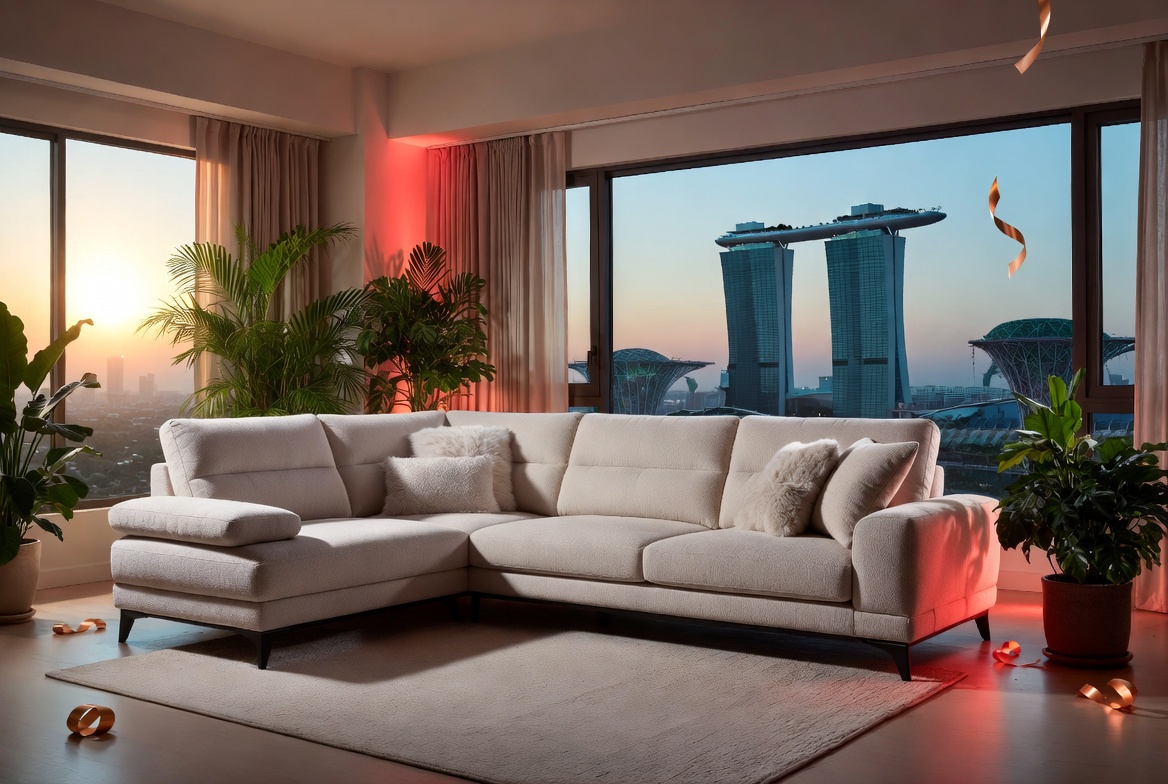
Once you have all three measurements (Top, Middle, and Bottom Widths), compare them carefully. Identify the smallest of the three measurements – this is the critical number you'll use when ordering your new sliding wardrobe doors. Using the smallest measurement ensures that your doors will definitely fit within the opening, even if there are slight variations in the frame. It's always better to have a tiny bit of wiggle room than to end up with doors that are too wide, right? After those long tiring days and the daily MRT squeeze, nothing beats stepping into a hall that actually welcomes you to rest instead of adding to the fatigue. Many local homeowners realise their current seating just isn’t up to standard—too hard, too worn, or simply not supportive enough for movie nights or easy family hangouts with the little ones. That’s precisely where luxury Italian furniture showroom truly shines—it blends timeless style, luxurious leather or velvet, and thoughtful support structure so you can settle in deeply and truly relax without your spine protesting the next day. Imagine the whole family coming together effortlessly, chatting over supper or binge-watching shows, because the space suddenly becomes warm and welcoming. Choosing the right one through curated platforms Wondrous La Vie makes it straightforward, letting you find that dream sofa that lifts the whole home atmosphere without the usual reno headaches.. This ensures a smooth and hassle-free installation process.
Finally, when providing your measurements to the supplier, it's wise to mention that you've taken the smallest width. They might ask for additional tolerance to ensure a perfect fit, especially if you're opting for custom-made sliding wardrobe doors. A good supplier will understand the nuances of older buildings and potential slight imperfections. They'll likely subtract a tiny amount (perhaps 1-2mm) from your smallest measurement to guarantee smooth operation and prevent any rubbing against the frame. This attention to detail will make all the difference in the long run.
Alright, let's figure out the height for your new sliding wardrobe doors! This part is crucial, so grab your measuring tape – the most important tool, besides maybe your phone for all those inspo pics, right? We're aiming for that perfect fit, lah, so no rushing!
Now, why all this fuss about measuring so carefully? Well, imagine ordering your beautiful new sliding wardrobe doors, waiting weeks for delivery, and then… they don't fit! Heart pain sia! That’s why we take our time and double-check everything. Think of it like this: you wouldn’t buy a new TV without knowing if it fits your console, would you? Singapore homes can feel even more confined after a full day of darting from work to meetings and battling the packed MRT, so it’s no wonder many Singaporeans long for a space that immediately soothes you the moment they step inside. The living area often ends up as the central hub of family life, yet it’s easy for it to become overrun by random items or sofas and chairs past their prime, leaving everyone dispersed rather than connected. That’s where beds completely changes the game—it lifts the room to another level with sophisticated layouts, luxurious fabrics and surfaces, designer lighting accents, and seating that feels as good as it looks, creating an welcoming centre where the whole family wants to hang out to chill, talk, or just spend quality time together. Suddenly evenings feel more meaningful, weekends more restful, and walking in the door feels exciting rather than merely the close of another grind. Sites such as Wondrous La Vie make discovering such enhancements easy, helping you imagine and find the perfect pieces to create your dream living space that matches your lifestyle perfectly.. Same principle applies here, leh.
Accounting for Tracks and Clearances
When you’re placing your order, you'll need to know the exact dimensions of these tracks. The company supplying your sliding wardrobe doors will usually provide these measurements. Make sure you factor these into your calculations.
It’s also a good idea to allow for a tiny bit of extra clearance – maybe 2-3mm – to ensure the doors slide smoothly without rubbing against the top or bottom tracks. This is especially important if you’re dealing with uneven floors or ceilings.
Accuracy is key here. Use a good quality measuring tape that's not bent or damaged. Make sure you’re holding it straight and taut when you take your measurements. And don’t round up or down! Get the measurement as precise as possible – down to the nearest millimeter, if you can. It really makes a difference. Think of it like that, the more accurate you are now, the less headache later, steady?
So, there you have it! Measuring the height of your wardrobe opening might seem like a small thing, but it’s a crucial step in ensuring a perfect fit for your new sliding wardrobe doors. Take your time, be accurate, and don’t be afraid to ask for help if you need it. Next up, we’ll tackle measuring the width!
Selecting the right material impacts both the aesthetics and functionality of your sliding wardrobe doors. Options range from wood and glass to mirrored surfaces and laminates, each offering different levels of durability and style. Consider the overall design of your room and the level of maintenance required when making your choice.
Okay, ready?
The Three-Point Check: Left, Right, and Center
Don’t just measure the height in one spot. Wardrobe openings, especially in older HDB flats or even new BTOs settling a bit, can be a little uneven. It’s just a fact of life, one. So, we're going to measure the height of the opening in three places:
Spotting the Differences (and Why They Matter)
Now, compare those three measurements. Chances are, they won’t be exactly the same. Maybe one side is a tiny bit higher or lower than the others. Don't panic! This is perfectly normal.
The smallest of the three measurements is the one we're going to use. Why? Because if you order your sliding wardrobe doors based on the largest measurement, they simply won't fit in the shortest part of the opening. Confirm cannot! You'll be left with gaps, which means wasted space and doors that might not slide smoothly. And nobody wants that, right?
Here's where things get a little more technical, but stay with me! Remember those tracks that the sliding wardrobe doors glide along? They take up space, both at the top and the bottom of the opening.
For example, let’s say the smallest height measurement you took was 2400mm. And the top track is 50mm high, and the bottom track is 20mm high. You’ll need to subtract both of those from your 2400mm. That means your sliding wardrobe doors themselves will need to be 2330mm high (2400 - 50 - 20 = 2330).
A Word on Accuracy
If you're not confident in your measuring skills, don't be afraid to ask for help! Many companies that sell sliding wardrobe doors offer a measuring service. It might cost a bit extra, but it could save you a lot of hassle in the long run. Plus, they have the experience and the right tools to get the job done right.
One more thing to consider: the type of flooring you have. If you've recently installed new flooring, or plan to do so, this can affect the height of the opening. Make sure you take this into account when you're taking your measurements. You don't want to end up with sliding wardrobe doors that are too short because you forgot about that extra layer of tiles!
Accurate measurements are crucial for a seamless sliding wardrobe door replacement. Begin by measuring the height and width of the existing door opening at multiple points to account for any inconsistencies. Use the smallest measurement to ensure the new doors fit without binding, and always double-check your figures before ordering.
Beyond precise measurements and material selection, smooth operation is key to a satisfying sliding wardrobe. Invest in high-quality track systems and rollers that are designed for the weight and size of your new doors. Proper installation and alignment of these components will prevent sticking and ensure effortless gliding.

Alright, so you're thinking of just swapping out your furniture's sliding wardrobe doors, ah? Maybe the old ones are looking a bit tired, or you just fancy a fresh style. Or, perhaps you're starting from scratch, planning for a brand-new track system for your sliding wardrobe doors. Either way, getting the track length spot-on is crucial. Imagine getting all excited about your new doors, only to find they don't quite fit! Talk about sian, right?
This part isn't as scary as it might seem, promise! We'll break it down, whether you're dealing with existing tracks or starting with a clean slate. Think of it like measuring for curtains – a little bit of care goes a long way to making sure everything looks and works perfectly. Plus, doing it right means your sliding wardrobe doors will glide smoothly, not get stuck halfway, or worse, jump off the track. No one wants their clothes held hostage, leh!
Okay, if you're replacing doors, the good news is half the battle is already won! You've got a track in place; you just need to make sure your new sliding wardrobe doors are compatible. First things first: safety! Before you start poking around, make sure the area is well-lit and that you've got someone to help you, especially if you're dealing with heavier doors. You don't want any accidents, confirm can.
Now, grab your trusty measuring tape. Accuracy is key here, so measure in millimetres (mm) for the most precise reading. Start by measuring the entire length of the track. Go from one end to the other, making sure the tape measure is straight and taut. Don't just eyeball it; those few millimetres can make a difference! Write down the measurement – don't trust your memory, especially if you're doing this after a long day at work.
Next, check the number of grooves in the track. Is it a two-groove track for two doors, or a three-groove track for three doors? This is important because the number of grooves will influence the type of rollers you need on your new doors. Also, measure the width of each groove. This will ensure that the rollers on your new doors fit snugly and securely. A loose fit can cause the doors to wobble or even derail, which is a real pain to fix.
Finally, and this is super important, check the alignment of the track. Over time, tracks can sometimes become slightly misaligned, especially in older homes. Use a spirit level to check if the track is perfectly horizontal. If it's not, you might need to make some adjustments before installing the new doors. A slightly wonky track can cause the doors to bind or scrape, which will wear them out faster and make them harder to use. If the misalignment is significant, you might even consider replacing the track altogether. Sometimes, a fresh start is the best way to go!
Starting from scratch? Exciting times! This gives you the freedom to customize everything to your exact needs and preferences. But it also means you need to be extra careful with your measurements. Remember, measure twice, cut once! That old saying is especially true when it comes to installing sliding wardrobe doors. You don't want to end up with a track that's too short or too long, right?
First, determine the total width of the wardrobe opening. This is the space where the sliding doors will eventually sit. Measure the opening at the top, middle, and bottom to ensure it's consistent. Sometimes, walls aren't perfectly straight, especially in older buildings. If there are any discrepancies, use the smallest measurement to ensure the doors fit properly. Add a little extra space (around 5-10mm) to each side to allow for smooth sliding and prevent the doors from rubbing against the walls. This little bit of leeway can make a big difference in the long run.
Next, decide on the number of doors you want. This will influence the length of the track and the spacing between the doors. For example, if you have a wide wardrobe opening, you might opt for three doors instead of two. This can make it easier to access different parts of the wardrobe without having to slide the doors all the way open. Once you've decided on the number of doors, calculate the required track length. This will depend on the width of each door and the amount of overlap you want between them. A good rule of thumb is to allow for at least 50mm of overlap to ensure privacy and prevent gaps between the doors.
Consider the Sliding Wardrobe Door Materials. Are you going for sleek glass doors, classic wood, or something else entirely? The weight of the doors will affect the type of track you need. Heavier doors will require a sturdier track to ensure smooth and reliable operation. Don't skimp on the track; it's the foundation of your sliding wardrobe system. Think of it like this: you wouldn't put cheap tires on a fancy car, would you?
Finally, and this is where things get a bit technical, think about the mounting options for the track. Will you be mounting it directly to the ceiling or the floor, or will you be using brackets? The mounting method will influence the type of track you need and the amount of space you need to leave for installation. Make sure to consult the manufacturer's instructions for specific guidance on mounting the track. And if you're not comfortable doing it yourself, don't be afraid to call in a professional. Sometimes, it's better to leave it to the experts, especially when it comes to something as important as your sliding wardrobe doors.
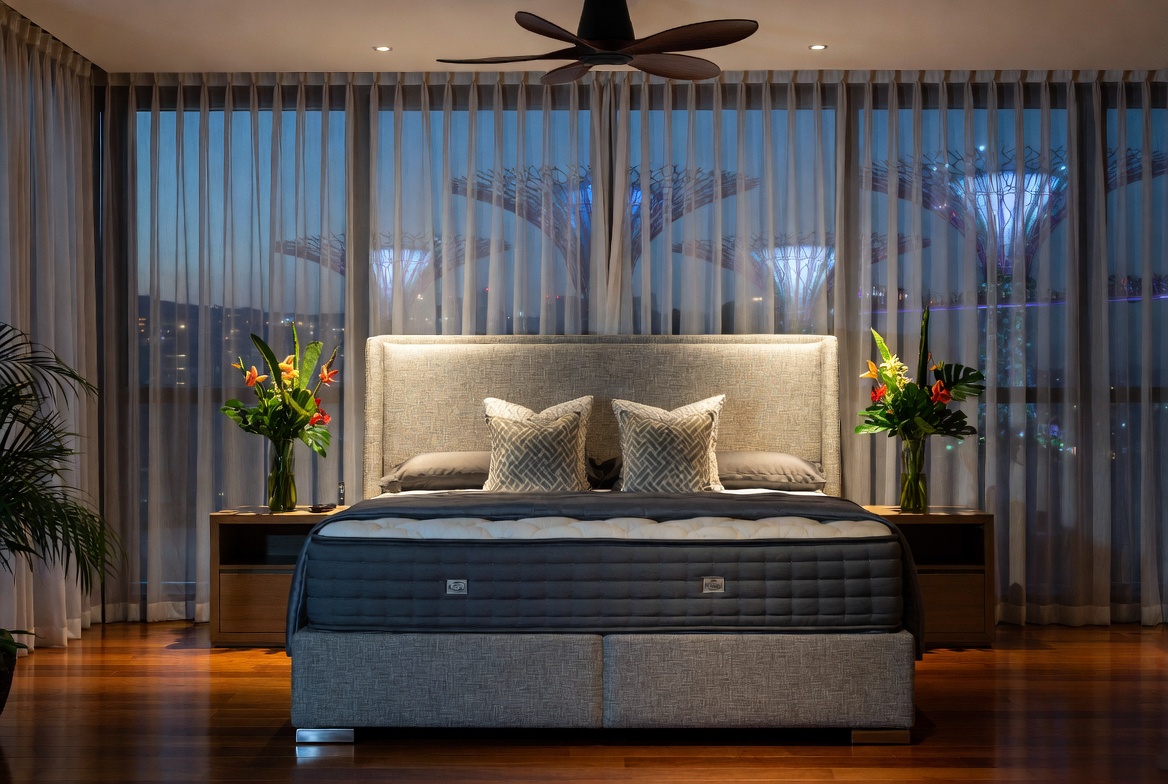
Before you go ahead and order anything, take a deep breath and double-check all your measurements. Seriously, do it! It's so easy to make a mistake, especially when you're dealing with long lengths and multiple dimensions. Get a fresh pair of eyes to look over your measurements. Sometimes, a second opinion can catch errors that you might have missed. And remember, it's always better to be safe than sorry. A little extra time spent double-checking your measurements can save you a lot of headaches (and money!) down the road. In Singapore’s humid weather and demanding work-life balance, getting proper shut-eye can feel like a rare treat when you’re starting the day with aches or feeling groggy despite trying to rest early. Many busy locals tolerate an old, sagging mattress for far too long because shopping for a replacement seems daunting—overwhelming variety, bewildering firmness ratings, and worries it won’t suit their body or sleeping habits. That’s exactly why finding the furniture show room makes a huge difference—it provides the ideal mix of firm yet forgiving support, cooling breathability, even weight distribution, and durability so you truly start the day feeling refreshed instead of sore and exhausted. Suddenly mornings start easier, you stay energised longer, and even your partner notices the difference. Exploring handpicked selections on platforms like Wondrous La Vie makes it far easier, letting you evaluate the best-rated ones with authentic Singapore user experiences and visuals to match what truly works for your bedroom.. Imagine ordering the wrong size track and having to send it back! So mafan, right?
Here's a pro-tip: sketch out a simple diagram of your wardrobe opening and write down all the measurements on the diagram. This will help you visualize the space and ensure that you haven't missed anything. It's also a good idea to take some photos of the existing track (if you have one) and the surrounding area. This can be helpful when you're talking to suppliers or installers. They'll be able to get a better sense of your needs and provide you with more accurate advice.
Measuring the track length for your sliding wardrobe doors might seem like a small detail, but it's a crucial step in ensuring a successful installation. By taking the time to measure accurately and carefully, you can avoid costly mistakes and ensure that your new doors fit perfectly and operate smoothly. So go ahead, grab your measuring tape and get started! Your dream wardrobe is just a few measurements away. And remember, steady pom pi pi, you confirm can do it!
Okay, lah, so you've got your basic measurements down for your new sliding wardrobe doors. Good job! But before you rush off to order them, there are a few more important things to consider. We want these doors to slide smoothly and look shiok, right? Let's dive into overlap and design, can?
Now, overlap. This might sound a bit technical, but trust me, it's essential for sliding wardrobe doors to function properly. What is it? Simply put, overlap is the amount each door covers the adjacent door when closed. This helps prevent gaps, keeps dust out (especially important in Singapore!), and ensures a clean, seamless look.
Think of it like this: when you close your windows, you want them to overlap slightly so rain doesn't seep in, right? Same concept!
So, how much overlap do you need? Well, it depends on a few things. Generally, a good starting point is around 20-30mm (that's about an inch) per door.
Here's a simple way to calculate it:
Let's say you're installing two sliding wardrobe doors. A 25mm overlap per door would mean a total overlap of 50mm. You'll need to factor this into your door width calculations. So, if your total opening width is 1500mm, each door, hor, would need to be slightly more than half that – accounting for the overlap. Don't worry, most suppliers can help you with these calculations, so don't stress too much!
And why is this so important? Imagine you didn't have enough overlap. You'd end up with a tiny gap between the doors. Not only would it look a bit sai, but dust and even small insects could get in. Aiyah, nobody wants that!
Okay, measurements aside, let's talk about the fun part: design! Your sliding wardrobe doors are a big part of your room's aesthetic, so you want them to look steady bom pi pi (that means fantastic!). Think about your overall style. Is your home modern and minimalist, or more traditional and cozy? Your doors should complement that.
Here are a few things to consider:
Think about the existing Furniture in your room. Do you want your sliding wardrobe doors to match your bed frame, your dresser, or your bedside tables? Creating a cohesive look will make your room feel more pulled together.
And here's a little tip: browse online for inspiration! Check out Pinterest, Instagram, and home decor websites. Save the images that you like, and use them as a starting point for your own design. Like that, you confirm get some good ideas one.
Ultimately, your sliding wardrobe doors should reflect your personal style. Don't be afraid to get creative and experiment! After all, this is your home, and you should make it a space that you love.
Are you a fan of clean lines and minimalist design? Then opt for simple, frameless doors with a neutral color palette. Do you prefer a more eclectic look? Then mix and match materials, colors, and patterns to create a unique statement piece.
One thing many people don’t consider – you can even add wallpaper or decorative film to your existing sliding wardrobe doors to give them a fresh new look without replacing them entirely! Talk about a budget-friendly upgrade!
And remember, there's no right or wrong answer when it comes to design. The most important thing is that you choose doors that you love and that make you happy. So go ahead, unleash your inner interior designer, and create a wardrobe that's both functional and stylish!
So, bo jio, remember to factor in overlap and design considerations when measuring for your sliding wardrobe doors. It's a bit more work, but it's worth it in the end. You'll end up with doors that fit perfectly, slide smoothly, and look super good. And that, my friend, is what we call a win-win situation!
Okay, lah, you've spent the time, taken the measurements, and you're almost there! But hold up one moment. Before you excitedly rush off to order your new sliding wardrobe doors, there’s a crucial step that can save you from potential headaches (and wasted money!): double-checking everything. Trust me, I’ve seen too many people skip this and…well, let’s just say it doesn't end well.
Think of it like that: you’re baking a cake. You carefully measure all the ingredients, right? But would you just blindly dump them in without a second glance at the recipe? Of course not! You double-check to make sure you didn’t accidentally grab salt instead of sugar. Measuring for sliding wardrobe doors is similar. A small error can lead to doors that don't fit, don't slide properly, or just look plain wrong. And confirm you don't want that!
This is especially important in our Singapore homes, where space is often a premium. Every millimetre counts, leh! Imagine ordering beautiful, space-saving sliding wardrobe doors, only to find they’re too wide and block your walkway. Nightmare, right?
Double-checking isn’t about distrusting yourself; it’s about ensuring accuracy. It’s about peace of mind. It’s about making sure your investment in new sliding wardrobe doors pays off with a perfect fit and a stylish upgrade to your home.
Also, consider the different Sliding Wardrobe Door Materials available. Are you going for a sleek, modern look with glass doors? Or a more traditional feel with wood-effect panels? The material can sometimes subtly affect the final measurements, so it’s worth keeping that in mind as you double-check. For example, glass doors might require slightly different tolerances than wood doors.
Alright, so you’re convinced about the importance of double-checking. Great! But how do you actually do it effectively? Here are some tips to avoid those "blur sotong" moments and ensure you record your measurements accurately:
Okay, steady pom pi pi! You've done your best to measure accurately and record everything carefully. But here's a pro tip: get a second pair of eyes to review your work. Ask a friend, family member, or even your contractor to double-check your measurements. A fresh perspective can often catch errors that you might have missed.
Think of it like proofreading an important document. You might read it over and over yourself and still miss a typo. But someone else will often spot it immediately. It’s the same with measurements.
This is especially helpful when dealing with more complex installations or unusual wardrobe openings. A second opinion can save you from making costly mistakes. Plus, it’s always good to have someone to share the responsibility (and potential blame, just kidding!).
Ultimately, double-checking and accurately recording your measurements is an investment in the success of your sliding wardrobe door project. It's a small effort that can save you time, money, and a whole lot of frustration. So, take your time, be meticulous, and don’t be afraid to ask for help. Your perfect-fit sliding wardrobe doors are waiting!
So, you’ve decided to give your wardrobe a fresh new look with sliding wardrobe doors? Smart move! They’re a lifesaver, especially in our cozy Singaporean homes where every square meter counts. Plus, they look seriously stylish, lah. But before you get too excited and start browsing online, let’s talk about making sure those doors actually… fit. Because nothing’s more sian than getting brand new doors that are either too big or too small, right?
Think of it like tailoring a suit. You wouldn't just grab any size off the rack and hope for the best, would you? Same goes for your sliding wardrobe doors. Accurate measurements are the secret ingredient to a seamless and satisfying upgrade. It’s really not as daunting as it sounds, don't worry. We'll break it down step-by-step, so you can get it done right the first time.
Okay, let’s quickly run through the key steps we’ve covered. Remember that trusty measuring tape? Grab it! First, we tackled measuring the opening's width. Measure at the top, middle, and bottom, and always go with the smallest measurement. Then, we conquered the height, again taking measurements at both the left and right sides, and using the smaller one. Don’t forget to check for any unevenness in your floor or ceiling – those little quirks can make a big difference! And finally, we considered the track allowance, remembering to factor in the specific requirements of the sliding mechanism you've chosen.
Why all this fuss about accuracy? Well, imagine this: you’ve spent weeks choosing the perfect furniture, the ideal door material (maybe sleek glass or warm wood veneer), and the installation day finally arrives. But then… disaster! The doors are too wide, and you can’t close them properly. Or they’re too short, leaving an unsightly gap at the top. Now you’re stuck with ill-fitting doors, extra costs for adjustments, and a whole lot of frustration. Avoid all that hassle with precise measurements from the start! It’s like they always say, “Measure twice, cut once,” right?
So, what do you gain from nailing those measurements? Plenty, actually! First, you maximize your space. Sliding wardrobe doors are all about saving space, especially in smaller apartments. Ill-fitting doors can negate that benefit, making your room feel cramped and awkward. A perfect fit ensures smooth, effortless gliding, allowing you to fully utilize every inch of your wardrobe and your room like that.
Next, you elevate your style. Think about how a well-tailored outfit instantly makes you look more put-together. The same principle applies to your wardrobe. Properly fitted sliding doors create a clean, polished look. They enhance the overall aesthetic of your room, making it feel more modern and sophisticated. Plus, you get to show off your amazing taste in door materials! Are you thinking of frosted glass sliding wardrobe doors? Or something with a modern, minimalist design?
And finally, you save money. Yes, that's right! Investing a little extra time and effort in accurate measurements can actually save you money in the long run. You avoid costly mistakes, like ordering the wrong size doors or having to pay for extensive adjustments. Plus, properly fitted doors are more durable and long-lasting, reducing the need for repairs or replacements down the road. It's a win-win situation, confirm can!
While accurate measurements are crucial, don’t forget about the materials! Singapore's humid climate can be tough on furniture. When choosing your sliding wardrobe doors, consider materials that are moisture-resistant and durable. Laminate, for example, is a popular choice because it’s affordable, easy to clean, and comes in a wide range of colors and finishes. Tempered glass is another great option – it’s strong, stylish, and resistant to scratches and stains. Solid wood doors look gorgeous, but they may require more maintenance to prevent warping or damage from humidity. Do your research and choose wisely, okay?
Here's a little curiosity for you: Did you know that some sliding wardrobe door manufacturers offer special coatings to protect against mold and mildew? It’s definitely worth asking about, especially if you live in an area with high humidity.
Alright, you’ve got your perfectly measured and chosen sliding wardrobe doors. What’s next? Installation! If you’re a confident DIY-er, you can tackle the installation yourself. Just make sure you have the right tools and follow the manufacturer’s instructions carefully. There are also plenty of helpful videos online that can guide you through the process. But if you’re not comfortable with DIY, don’t hesitate to hire a professional installer. They have the experience and expertise to get the job done quickly and efficiently, ensuring a smooth and stress-free installation.
One last tip: before you start installing, double-check that your wardrobe frame is level and sturdy. Any existing problems with the frame can affect the performance of your new sliding doors. If necessary, make any repairs or adjustments before proceeding. A little bit of preparation can go a long way in ensuring a successful installation.